TIGERS CAN BE SEEN IN THE RAIN - Review
TIGERS CAN BE SEEN IN THE RAIN: A Haunting Meditation on Loss and Memory
Oscar Ruiz Navia's TIGERS CAN BE SEEN IN THE RAIN, released on September 22nd, 2025, is not a film you simply watch; it’s a film you experience. It’s a haunting, fragmented, and deeply personal exploration of grief, memory, and the ways in which time itself can become dislocated by loss. Navia eschews traditional narrative structures, opting instead for a collage of moving-image formats, local textures, and echoes of the past, creating a cinematic tapestry that is both beautiful and unsettling. This is not a film for those seeking easy answers or straightforward storytelling; it’s a challenging but ultimately rewarding journey into the heart of human sorrow.
A Plot Woven from Fragments and Echoes
Describing the plot of TIGERS CAN BE SEEN IN THE RAIN in a linear fashion is a near-impossible task, and perhaps intentionally so. The film centers around the aftermath of a significant loss, never explicitly stated but deeply felt. We are introduced to a family, or rather, fragments of a family, grappling with the absence of a loved one. Their individual experiences of grief are presented through a non-linear narrative, interweaving present-day scenes with archival footage, home movies, and dreamlike sequences. The film’s fragmented structure mirrors the fractured state of the characters' minds as they struggle to piece together memories and find meaning in their loss.
The use of different film formats – from grainy Super 8 footage to crisp digital video – further enhances this sense of temporal dislocation. These shifting visual textures create a sense of unease, blurring the lines between past and present, reality and memory. We see glimpses of happier times, fleeting moments of joy juxtaposed with the stark reality of their present grief. These juxtapositions are not always comfortable, but they are undeniably powerful, forcing the viewer to confront the complexities of mourning.
Characters Adrift in a Sea of Grief
The characters in TIGERS CAN BE SEEN IN THE RAIN are not defined by their actions or dialogue as much as they are by their silences and their unspoken emotions. We see them wandering through familiar landscapes, their faces etched with sorrow. They are often alone, lost in their own thoughts, struggling to connect with one another. The absence of a clear protagonist allows the film to explore the multifaceted nature of grief, showing how it affects each individual differently.
While the film avoids explicit character development in the traditional sense, we glean insights into their personalities through subtle details: a lingering gaze, a hesitant touch, a half-finished sentence. These small moments reveal the depth of their pain and their desperate attempts to cope with their loss. The actors deliver understated but powerful performances, conveying a range of emotions with minimal dialogue. Their vulnerability and authenticity make the characters feel incredibly real, even within the film's surreal and fragmented context.
Oscar Ruiz Navia's Visionary Direction
Oscar Ruiz Navia’s direction is the driving force behind TIGERS CAN BE SEEN IN THE RAIN. He masterfully weaves together disparate elements – archival footage, dream sequences, and contemporary scenes – into a cohesive and emotionally resonant whole. His use of long takes and static shots creates a sense of stillness, allowing the viewer to fully immerse themselves in the film's atmosphere. He avoids sentimentality, opting instead for a more observational approach, allowing the characters' emotions to speak for themselves.
Navia’s decision to eschew a traditional narrative structure is a bold one, but it ultimately pays off. By fragmenting the story, he forces the viewer to actively engage with the film, piecing together the narrative and drawing their own conclusions. This is not a passive viewing experience; it’s an active process of interpretation and emotional connection. Navia's directorial choices are deliberate and purposeful, serving to enhance the film's themes and messages.
Cinematography: A Visual Poem of Loss
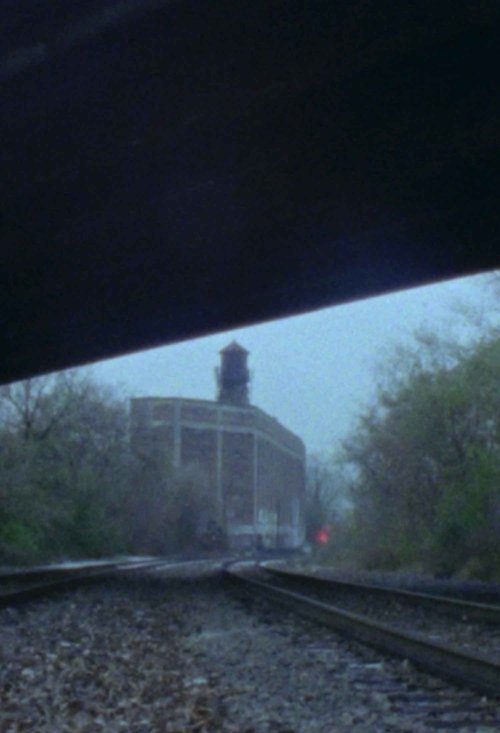
The cinematography in TIGERS CAN BE SEEN IN THE RAIN is nothing short of stunning. The film's visual language is rich and evocative, capturing the beauty and desolation of the landscapes that surround the characters. The use of natural light and muted colors creates a somber and melancholic atmosphere, perfectly reflecting the film's themes of loss and mourning. The contrast between the grainy archival footage and the crisp digital video adds another layer of complexity, highlighting the passage of time and the fragility of memory.
The camera often lingers on seemingly insignificant details – a raindrop on a windowpane, a faded photograph, a wilting flower. These small moments are imbued with meaning, serving as visual metaphors for the characters' emotional states. The film's visual composition is carefully considered, creating a sense of balance and harmony even within its fragmented structure. The cinematography is not merely a backdrop to the story; it’s an integral part of the narrative, contributing to the film's overall emotional impact.
Performances Rooted in Authenticity
The performances in TIGERS CAN BE SEEN IN THE RAIN are remarkable for their subtlety and authenticity. The actors deliver understated but powerful portrayals of grief, conveying a range of emotions with minimal dialogue. They embody their characters with a quiet dignity, allowing their vulnerability to shine through. The chemistry between the actors feels natural and genuine, creating a sense of intimacy and connection even within the film's fragmented structure.
Given the film's non-linear narrative and lack of explicit exposition, the actors rely heavily on nonverbal communication to convey their characters' emotions. A lingering gaze, a hesitant touch, a subtle shift in posture – these small details speak volumes, revealing the depth of their pain and their desperate attempts to cope with their loss. The performances are not showy or melodramatic; they are grounded in realism, making the characters feel incredibly relatable and human.
Themes and Messages: Navigating the Labyrinth of Grief
TIGERS CAN BE SEEN IN THE RAIN is a profound exploration of several key themes, most notably loss, memory, and the passage of time. The film delves into the complexities of grief, showing how it can affect individuals and families in different ways. It explores the ways in which memory can be both a source of comfort and a source of pain, and how the past can continue to haunt us long after it has passed.
The film also examines the theme of temporal dislocation, highlighting how grief can disrupt our sense of time and place. The characters often feel lost in the past, unable to move forward. The film's fragmented structure mirrors this sense of disorientation, blurring the lines between past and present. Ultimately, TIGERS CAN BE SEEN IN THE RAIN suggests that healing from loss is a process of acceptance, of learning to live with the pain and finding meaning in the memories that remain.
Comparisons and Context
Oscar Ruiz Navia's previous work, such as "Los Hongos" (2014), shares a similar sensitivity to atmosphere and character, but TIGERS CAN BE SEEN IN THE RAIN represents a significant step forward in terms of its formal experimentation and emotional depth. Compared to "Los Hongos," which focused on youth and social issues, this film delves into more universal and existential themes.
In terms of other films exploring similar themes, TIGERS CAN BE SEEN IN THE RAIN shares some common ground with works like Terrence Malick's "The Tree of Life" (2011) and Apichatpong Weerasethakul's "Uncle Boonmee Who Can Recall His Past Lives" (2010). Like those films, TIGERS CAN BE SEEN IN THE RAIN employs a non-linear narrative and a poetic visual style to explore themes of memory, loss, and the passage of time. However, Navia's film has a distinct Colombian identity, grounding its exploration of universal themes in a specific cultural context.
Positive Aspects: A Poetic and Profound Experience
TIGERS CAN BE SEEN IN THE RAIN is a visually stunning and emotionally resonant film. Oscar Ruiz Navia's direction is masterful, and the performances are uniformly excellent. The film's fragmented structure and non-linear narrative create a sense of unease and disorientation, but they also allow for a deeper exploration of the film's themes. The cinematography is beautiful and evocative, capturing the beauty and desolation of the landscapes that surround the characters. The film is a powerful and moving meditation on loss, memory, and the passage of time.
Constructive Criticism: A Challenging but Rewarding Watch
While TIGERS CAN BE SEEN IN THE RAIN is a deeply rewarding film, it is not without its challenges. The film's fragmented structure and non-linear narrative may prove difficult for some viewers to follow. The lack of explicit exposition can also be frustrating, as the film requires the viewer to actively engage with the material and draw their own conclusions. The film's slow pace and melancholic atmosphere may not appeal to all audiences. Furthermore, the lack of clear resolution might leave some viewers feeling unsatisfied. However, these challenges are ultimately part of the film's appeal, forcing the viewer to confront the complexities of grief and the ambiguity of life.
Conclusion: A Haunting Masterpiece
TIGERS CAN BE SEEN IN THE RAIN is a haunting and deeply moving film that will stay with you long after the credits roll. Oscar Ruiz Navia has created a cinematic masterpiece that is both beautiful and unsettling, challenging and rewarding. This is not a film for everyone, but for those willing to embrace its fragmented structure and non-linear narrative, it offers a profound and unforgettable experience. It's a film that demands patience and reflection, but the rewards are well worth the effort. It's a testament to the power of cinema to explore the most profound aspects of the human condition.
Rating: 9.2/10