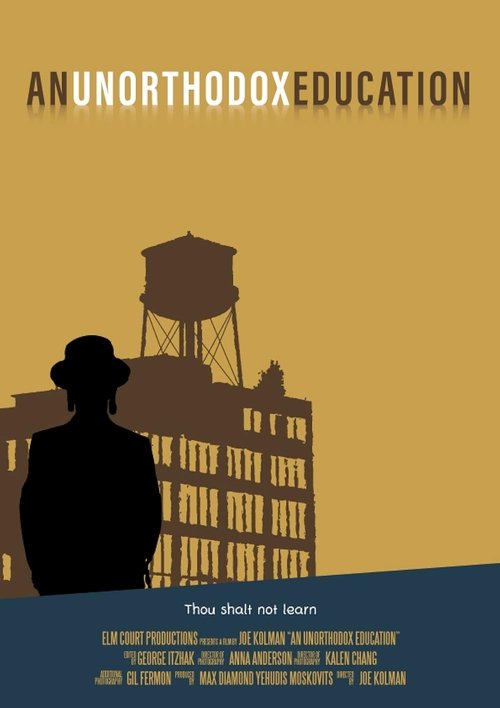
Unorthodox Education - Review
Unorthodox Education: A Stark and Necessary Expose
Unorthodox Education, released on September 21st, 2025, is not just a documentary; it's a gut punch. It’s a meticulously crafted and deeply disturbing examination of the systemic failure to provide adequate education to tens of thousands of children within ultra-Orthodox Jewish communities. Director Sarah Klein, known for her unflinching documentaries on social injustices, delivers a film that is both heart-wrenching and infuriating, leaving viewers questioning the very foundations of religious freedom and the responsibilities of a modern society to its most vulnerable members. This isn't just a film; it's a call to action.
Plot and Narrative Structure
The film unfolds as a carefully constructed investigation, beginning with anecdotal evidence and slowly building towards a damning indictment of the entire system. Klein doesn't rely on sensationalism; instead, she allows the stories of former students, teachers, and advocates to speak for themselves. The narrative is driven by the testimonies of individuals who have directly experienced the educational deficiencies. We hear from men and women who graduated from ultra-Orthodox schools without the basic skills necessary to navigate the modern world – lacking even fundamental knowledge of math, science, and English. These are not just statistics; they are real people struggling to find employment, understand their rights, and build independent lives.
Unorthodox Education wisely avoids painting a monolithic picture of the ultra-Orthodox community. It acknowledges the deep-rooted traditions and the strong sense of community that exists within these groups. However, it argues persuasively that the preservation of these traditions should not come at the expense of children's fundamental right to an education that prepares them for adult life. The film meticulously documents how secular studies are often minimized or entirely absent from the curriculum, replaced by an intense focus on religious texts and practices. This leads to a situation where graduates are effectively trapped within their community, unable to access opportunities outside of it.
The film masterfully interweaves personal narratives with investigative reporting. Klein and her team uncover evidence of deliberate efforts to circumvent state education laws, often with the tacit approval or outright complicity of local authorities. They expose the loopholes that allow schools to operate without proper oversight and the political pressures that make it difficult to enforce existing regulations. The narrative structure is deliberately paced, allowing the weight of the evidence to accumulate gradually, culminating in a powerful and emotionally resonant conclusion.
Characters and Performances (Testimonials)
As a documentary, Unorthodox Education doesn't feature traditional actors. Instead, its strength lies in the raw and authentic performances of the individuals who share their stories. These are not polished interviews; they are often deeply personal and emotionally charged accounts of hardship, resilience, and the yearning for a better future.
One of the most compelling figures is Yossi, a former student who now works as a construction worker. He recounts his struggles to learn basic math skills as an adult, skills that were never taught in his school. His frustration and determination are palpable, and his story serves as a powerful reminder of the human cost of educational neglect.
Another standout is Rivka, a former teacher who left the ultra-Orthodox community after becoming disillusioned with the quality of education provided. She speaks candidly about the pressure to prioritize religious studies over secular subjects and the lack of resources available to teachers. Her testimony offers a valuable insider's perspective on the challenges faced by educators within the system.
The film also features interviews with advocates, lawyers, and experts who are working to address the issue. Their insights provide a broader context and highlight the legal and political complexities involved. While their contributions are informative, it is the personal stories of the former students and teachers that truly resonate and give the film its emotional power.
Direction and Cinematography
Sarah Klein's direction is masterful in its restraint and sensitivity. She avoids sensationalism and allows the stories to speak for themselves. Her approach is characterized by a deep respect for the individuals involved and a commitment to presenting a balanced and nuanced perspective. She doesn't shy away from difficult questions, but she also avoids demonizing the ultra-Orthodox community as a whole.
The cinematography is understated but effective. The film relies heavily on interviews, but Klein uses visual elements to create a sense of place and to underscore the themes of the film. Shots of classrooms, libraries, and neighborhoods provide a glimpse into the world of the ultra-Orthodox community. The use of natural light and intimate camera angles creates a sense of intimacy and allows the viewer to connect with the subjects on a personal level.
While the visual style is generally restrained, there are moments of striking imagery that linger in the memory. One particularly powerful scene shows a group of former students struggling to solve basic math problems on a whiteboard. The frustration on their faces is palpable, and the scene serves as a stark reminder of the educational deficiencies that they have endured.
The editing is also well-paced, allowing the narrative to unfold gradually and deliberately. Klein avoids unnecessary jump cuts and flashy transitions, opting instead for a more measured and contemplative approach. This allows the viewer to fully absorb the information and to reflect on the implications of the film's findings.
Themes and Messages
Unorthodox Education grapples with several complex and interconnected themes. At its core, the film is about the fundamental right to education and the responsibility of society to protect the rights of children. It argues that religious freedom should not be used as a justification for denying children the education they need to become independent and productive members of society.
The film also explores the tension between tradition and modernity. It raises questions about the extent to which religious communities should be allowed to isolate themselves from the broader society and the potential consequences of such isolation. It challenges viewers to consider the long-term impact of educational neglect on individuals, communities, and society as a whole.
Another important theme is the power of resilience and the importance of hope. Despite the challenges they have faced, the former students featured in the film demonstrate remarkable determination and a deep desire to improve their lives. Their stories serve as an inspiration to others who have been similarly marginalized and a reminder that it is never too late to pursue an education.
Ultimately, Unorthodox Education is a call for reform. It urges policymakers, educators, and community leaders to take action to ensure that all children, regardless of their background or religious affiliation, have access to a quality education. It argues that this is not just a matter of individual opportunity but also a matter of social justice and economic prosperity.
Comparison to Similar Films and Previous Works
Unorthodox Education shares thematic similarities with other documentaries that explore issues of religious freedom, education, and social justice. Films like Jesus Camp (2006) and Leaving Neverland (2019) have similarly sparked controversy and ignited public debate. However, Unorthodox Education distinguishes itself by its focus on the specific issue of educational neglect within the ultra-Orthodox community.
Sarah Klein's previous work, including her documentary on the juvenile justice system, demonstrates her commitment to exposing systemic injustices and giving voice to marginalized communities. Unorthodox Education builds on this body of work, showcasing her skills as an investigative filmmaker and her ability to tell compelling and emotionally resonant stories.
Compared to some of the more sensational documentaries in the genre, Unorthodox Education is notable for its nuanced and balanced approach. Klein avoids demonizing the ultra-Orthodox community, instead focusing on the specific issue of educational neglect and its impact on individuals. This makes the film more credible and more likely to resonate with a broader audience.
Positive Aspects
Unorthodox Education is a powerful and important film that sheds light on a little-known issue. Its strengths include:
- Compelling storytelling: The film is driven by the personal stories of former students and teachers, making it emotionally resonant and engaging.
- Investigative rigor: The film is meticulously researched and provides a wealth of evidence to support its claims.
- Nuanced perspective: The film avoids demonizing the ultra-Orthodox community, instead focusing on the specific issue of educational neglect.
- Effective direction and cinematography: Sarah Klein's direction is masterful in its restraint and sensitivity, and the cinematography is understated but effective.
- Timeliness and relevance: The film addresses a pressing social issue and is likely to spark important conversations about education, religious freedom, and social justice.
Constructive Criticism
While Unorthodox Education is a strong film, there are a few areas where it could have been improved:
- Limited perspectives from within the community: While the film includes interviews with former members of the ultra-Orthodox community, it would have been beneficial to hear more perspectives from individuals who are currently within the system, particularly those who support the current educational practices. This would have provided a more complete and balanced picture.
- Lack of specific solutions: While the film effectively highlights the problem of educational neglect, it offers relatively few concrete solutions. It would have been helpful to explore specific policy recommendations or innovative approaches that could address the issue.
- Potential for oversimplification: While the film avoids demonizing the ultra-Orthodox community, there is a risk that it could be interpreted as overly critical or as painting a monolithic picture of a diverse group. It is important for viewers to remember that the film focuses on a specific issue and does not represent the experiences of all members of the ultra-Orthodox community.
Conclusion
Unorthodox Education is a vital and necessary documentary. It's a challenging watch, forcing viewers to confront uncomfortable truths about the failures of our education system and the limits of religious freedom. While it could benefit from including more diverse perspectives and offering more concrete solutions, its strengths far outweigh its weaknesses. Sarah Klein has delivered a powerful and thought-provoking film that deserves to be seen and discussed widely. It's a film that will stay with you long after the credits roll, prompting reflection and, hopefully, action.
Rating: 9/10