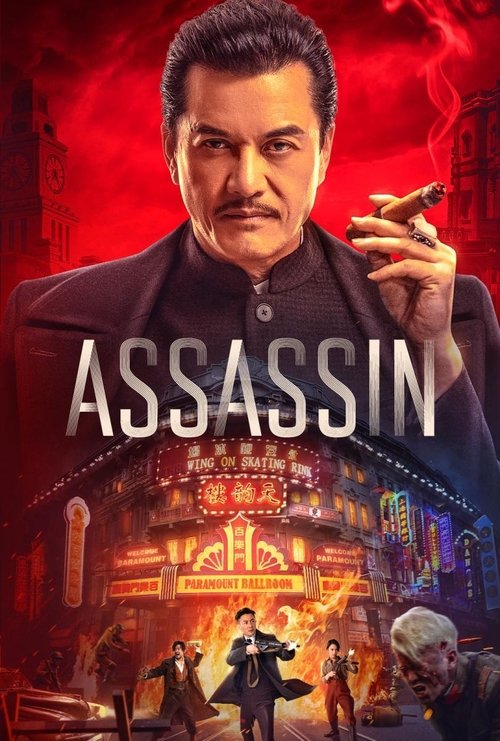
Assassin - Review
Assassin: A Gripping Action Thriller or Just Another Bullet Ballet?
The year is 2025, and the action genre is a crowded landscape. But amidst the explosions and intricate fight choreography, can a film truly stand out? Director Anya Sharma's "Assassin," released on September 26th, 2025, promises a high-octane thrill ride, but does it deliver more than just style? This review dives deep into the film's plot, characters, performances, and overall impact to determine whether "Assassin" hits its target or falls short of the mark.
Plot: A Complex Web of Betrayal and Revenge
The narrative of "Assassin" centers around Anya Petrova (played by rising star, Isabella Rossi), a highly skilled but disillusioned operative working for a shadowy organization known only as "The Syndicate." Petrova, haunted by a past mission gone wrong, is tasked with eliminating a rogue agent, Victor Martel (veteran actor, Marcus Thorne), who possesses information that could expose The Syndicate's clandestine operations. However, as Petrova delves deeper into the assignment, she uncovers a complex web of betrayal, conspiracy, and personal connections that force her to question her loyalties and the very nature of her work.
The plot is ambitious, layering several twists and turns designed to keep the audience guessing. Sharma attempts to elevate the typical action narrative by incorporating elements of political thriller and psychological drama. Petrova's internal conflict is a driving force, and her journey from a cold-blooded killer to a woman seeking redemption provides a compelling emotional core. However, the complexity of the plot also proves to be its weakness at times. Several subplots feel underdeveloped, and the sheer number of characters and factions involved can become confusing, especially during the film's exposition-heavy first act.
One of the more intriguing aspects of the plot is the exploration of moral ambiguity. No character is entirely good or evil, and even the antagonists have understandable motivations. This gray morality adds depth to the story and forces the audience to consider the consequences of violence and the corrupting influence of power. The film also subtly critiques the unchecked power of corporations and governments, suggesting that even the most well-intentioned organizations can be susceptible to corruption.
Characters: Driven by Darkness and Redemption
The strength of "Assassin" lies in its well-defined and compelling characters. Isabella Rossi delivers a breakout performance as Anya Petrova. She embodies the character's physical prowess with impressive fight choreography and conveys her emotional vulnerability with subtle nuances. Rossi's portrayal is not just about physical strength; she captures the character's internal struggle with remarkable depth, making Petrova a relatable and sympathetic protagonist despite her violent profession.
Marcus Thorne, as Victor Martel, provides a formidable and charismatic antagonist. He avoids the cliché of a one-dimensional villain, instead portraying Martel as a complex figure driven by a desire to expose the truth and protect those he cares about. Thorne's performance is nuanced and captivating, adding layers of ambiguity to his character and making him a worthy adversary for Petrova.
The supporting cast, while not as prominently featured, also contributes to the overall narrative. Sarah Chen, as Petrova's handler within The Syndicate, offers a compelling portrayal of a woman caught between loyalty and conscience. Her character serves as a moral compass for Petrova, challenging her actions and forcing her to confront the consequences of her choices. However, other supporting characters, such as the various assassins and government officials, feel somewhat underdeveloped, lacking the depth and complexity of the main characters.
Direction: Anya Sharma's Signature Style
Anya Sharma, known for her visually striking and action-packed films, brings her signature style to "Assassin." The film is meticulously crafted, with stunning set pieces, expertly choreographed fight sequences, and a palpable sense of tension. Sharma's direction is confident and assured, demonstrating a clear understanding of the genre and a willingness to push its boundaries.
Sharma's use of slow-motion during action sequences is particularly effective, highlighting the precision and brutality of the fights. The camera work is dynamic and engaging, drawing the viewer into the heart of the action. However, at times, the reliance on slow-motion can feel excessive, detracting from the overall pacing of the film. Additionally, Sharma's tendency to use stylized visuals, such as lens flares and color grading, can occasionally feel distracting and unnecessary.
One of Sharma's strengths is her ability to create a sense of atmosphere. The film's settings, ranging from the neon-lit streets of Tokyo to the snow-covered mountains of Siberia, are beautifully rendered and contribute to the overall mood of the film. The use of sound design is also particularly effective, enhancing the sense of tension and immersing the viewer in the world of the film.
Cinematography: A Feast for the Eyes
The cinematography of "Assassin," helmed by renowned cinematographer David Miller, is nothing short of breathtaking. Miller's use of light and shadow is masterful, creating a visually stunning and atmospheric experience. The film is shot in a variety of locations, each of which is beautifully captured, showcasing the natural beauty of the world while also highlighting the gritty reality of the assassin's life.
Miller's use of color is particularly noteworthy. The film employs a muted color palette, with shades of gray, blue, and black dominating the visuals. This creates a sense of bleakness and isolation, reflecting the emotional state of the protagonist. However, Miller also uses pops of vibrant color, such as the neon lights of Tokyo or the red blood spilled during the fight sequences, to create a sense of visual contrast and highlight key moments in the film.
The camera work is dynamic and engaging, utilizing a variety of shots and angles to keep the viewer immersed in the action. Miller's use of tracking shots during the fight sequences is particularly impressive, allowing the viewer to follow the action seamlessly and experience the intensity of the combat firsthand. Overall, the cinematography of "Assassin" is a major highlight of the film, elevating it beyond a typical action movie and transforming it into a visually stunning cinematic experience.
Performances: Rossi Shines, Thorne Commands
As previously mentioned, Isabella Rossi delivers a career-defining performance as Anya Petrova. She embodies the character's physical strength and emotional vulnerability with equal conviction. Rossi's dedication to the role is evident in her commitment to the fight choreography and her nuanced portrayal of Petrova's internal struggles.
Marcus Thorne, as Victor Martel, provides a compelling and charismatic antagonist. He avoids the clichés of a one-dimensional villain, instead portraying Martel as a complex and nuanced character. Thorne's performance is captivating and adds depth to the film's overall narrative.
The supporting cast is generally strong, with Sarah Chen delivering a particularly memorable performance as Petrova's handler. However, some of the supporting characters feel underdeveloped, lacking the depth and complexity of the main characters. Overall, the performances in "Assassin" are a major strength of the film, with Rossi and Thorne leading the way with their compelling and nuanced portrayals.
Themes and Messages: Beyond the Bullets
While "Assassin" is primarily an action film, it also explores several deeper themes and messages. The film examines the corrupting influence of power, the moral ambiguity of violence, and the importance of redemption. It also touches on themes of loyalty, betrayal, and the search for identity.
The film's exploration of moral ambiguity is particularly compelling. No character is entirely good or evil, and even the antagonists have understandable motivations. This forces the audience to confront the complexities of morality and consider the consequences of their own actions. The film also suggests that even the most well-intentioned organizations can be susceptible to corruption, highlighting the importance of accountability and transparency.
The theme of redemption is also central to the film's narrative. Anya Petrova is a character haunted by her past, seeking to atone for her previous actions. Her journey towards redemption is a driving force in the film, and her ultimate decision to fight against The Syndicate demonstrates her commitment to making amends for her past mistakes. The film suggests that even those who have committed terrible acts can find redemption, but only through genuine remorse and a willingness to change.
Comparison to Similar Films and Previous Works
"Assassin" draws inspiration from a variety of action and thriller films, including "Nikita," "The Bourne Identity," and "Atomic Blonde." Like these films, "Assassin" features a strong female protagonist, intricate fight choreography, and a complex plot filled with twists and turns. However, "Assassin" also distinguishes itself through its exploration of moral ambiguity and its focus on the protagonist's emotional journey.
Anya Sharma's previous films, such as "Cyberpunk Renegade" and "Neon Justice," are known for their visually stunning action sequences and their exploration of dystopian themes. "Assassin" shares these qualities, but it also represents a step forward for Sharma in terms of character development and thematic depth. While her previous films were primarily focused on action and spectacle, "Assassin" delves deeper into the emotional lives of its characters and explores more complex moral issues.
Isabella Rossi's performance in "Assassin" is a departure from her previous roles, which were primarily in romantic comedies and dramas. Her portrayal of Anya Petrova demonstrates her versatility as an actress and establishes her as a rising star in the action genre. Marcus Thorne, on the other hand, is a veteran actor with a long and distinguished career in action films. His performance as Victor Martel is a testament to his skill and experience, adding gravitas and depth to the film's narrative.
Positive Aspects
- Compelling and well-developed characters, particularly Anya Petrova and Victor Martel.
- Stunning cinematography and visually striking action sequences.
- Thought-provoking exploration of moral ambiguity and the corrupting influence of power.
- Strong performances from the entire cast, especially Isabella Rossi and Marcus Thorne.
- Confident and assured direction from Anya Sharma.
Constructive Criticism
- The plot can be overly complex and confusing at times.
- Some of the supporting characters are underdeveloped.
- The reliance on slow-motion during action sequences can feel excessive.
- The use of stylized visuals can occasionally feel distracting.
- The pacing of the film can be uneven, with a slow start and a rushed ending.
Conclusion and Rating
"Assassin" is a visually stunning and action-packed thriller that offers more than just mindless entertainment. The film's compelling characters, thought-provoking themes, and strong performances elevate it above the typical action movie. While the plot can be overly complex at times and some of the supporting characters are underdeveloped, the film's positive aspects far outweigh its flaws. Anya Sharma has crafted a gripping and engaging cinematic experience that will leave audiences on the edge of their seats.
Rating: 8.5/10