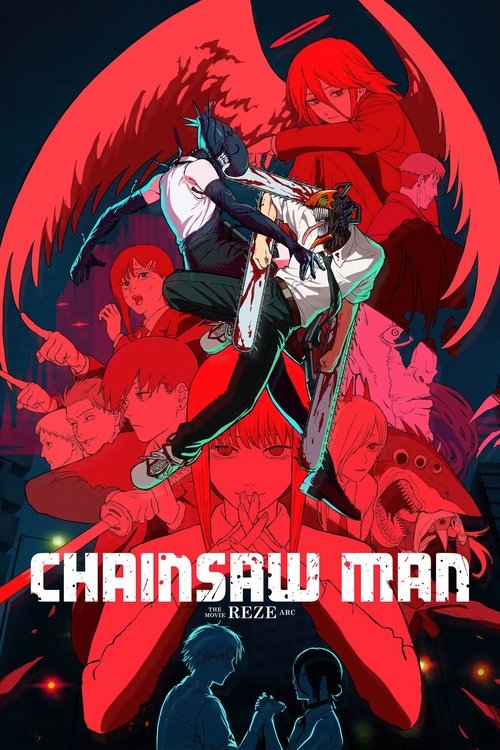
Chainsaw Man - The Movie: Reze Arc - Review
Chainsaw Man - The Movie: Reze Arc - A Love Bomb of Violence and Emotion
Chainsaw Man, Tatsuki Fujimoto's anarchic manga masterpiece, has always been a tightrope walk between extreme violence, genuine heart, and absurd humor. The anime adaptation, while visually stunning, felt like a prelude to something truly special. Now, with Chainsaw Man - The Movie: Reze Arc, director Ryu Nakayama and the MAPPA team have delivered a cinematic experience that not only surpasses expectations but detonates them with the force of a grenade. This isn't just a movie; it's an event – a visceral, emotional, and utterly unforgettable ride that will leave you breathless, heartbroken, and begging for more.
Plot: A Dangerous Game of the Heart
The Reze Arc, a fan-favorite from the manga, serves as the perfect narrative foundation for a feature film. The film picks up after the relatively self-contained arcs covered in the first season of the anime. Denji, still grappling with the loss of Power and the complexities of his newfound life as Chainsaw Man, finds himself drawn to a mysterious and alluring girl named Reze. Reze, a part-timer at a local coffee shop, offers Denji something he desperately craves: genuine affection and a semblance of normalcy. Their connection deepens rapidly, filled with stolen moments, whispered secrets, and the naive promise of a future together. However, beneath Reze's charming facade lies a deadly secret. She is the Bomb Devil, a highly skilled and ruthless assassin sent by the Soviet Union to capture Denji's heart (both figuratively and literally) and retrieve the Chainsaw Devil for their own nefarious purposes.
The film masterfully builds tension as Reze's true nature slowly unravels. The initial scenes of budding romance are imbued with a sense of foreboding, the sweetness tinged with a metallic tang of impending doom. The narrative doesn't shy away from the complexities of Reze's motivations. She's not simply a villain; she's a victim of circumstance, a weapon molded by a brutal regime. This nuance adds depth to her character and makes her inevitable betrayal all the more devastating.
The second half of the film erupts into a relentless barrage of action. The fight sequences are breathtaking in their choreography and brutality. Chainsaw Man's trademark blend of gore and kinetic energy is amplified to cinematic proportions. The film doesn't shy away from the carnage, showcasing the destructive power of both Denji and Reze in all its horrifying glory. The climax is a heart-wrenching and visually spectacular showdown that tests the limits of Denji's resilience and forces him to confront the true cost of his powers and his desires.
Characters: Love, Loss, and Chainsaws
Denji: Our protagonist continues his journey of self-discovery, albeit one paved with blood and broken promises. The film delves deeper into his vulnerability, showcasing his longing for genuine connection and his struggle to reconcile his human desires with his monstrous existence. The performance capture and voice acting perfectly capture Denji's naiveté, his unwavering determination, and his growing understanding of the world's cruelty. He's not just a chainsaw-wielding maniac; he's a boy yearning for a normal life, a boy who's been repeatedly denied that opportunity.
Reze: The breakout star of the film. Reze is a complex and captivating character, brought to life with stunning animation and a mesmerizing voice performance. Her duality – the sweet, innocent girl and the ruthless assassin – is flawlessly executed. The film explores her tragic backstory, revealing the manipulation and indoctrination that turned her into a weapon. She's a victim of circumstance, forced to choose between her own survival and the genuine feelings she develops for Denji. Her internal conflict is palpable, making her betrayal all the more heartbreaking. She represents the tragic consequences of war and the manipulation of innocence.
Makima: Makima's presence in the film is subtle but significant. She looms in the background, pulling the strings and manipulating events to her own ends. The film further hints at her true nature and her ultimate goals, adding layers of intrigue and foreshadowing future conflicts. Her unsettling calmness and unwavering control are chillingly portrayed, making her a truly formidable antagonist.
Aki Hayakawa & Power: While their roles are smaller compared to the main duo, Aki and Power provide crucial emotional support and comic relief. The film subtly hints at the bond they share with Denji, reinforcing the found family dynamic that is so central to the series. Their presence serves as a reminder of the sacrifices they've made and the losses they've endured, adding weight to Denji's struggles.
Direction and Cinematography: A Visual Masterpiece
Ryu Nakayama's direction is nothing short of masterful. He seamlessly blends the visceral action with moments of quiet introspection, creating a dynamic and emotionally resonant cinematic experience. The pacing is expertly controlled, building tension gradually and then unleashing it in explosive bursts of violence. Nakayama understands the source material intimately and translates its chaotic energy and emotional depth to the screen with remarkable precision.
The cinematography is breathtaking. The film utilizes a dynamic camera style, seamlessly transitioning between intimate character moments and sweeping action sequences. The lighting is particularly effective, creating a sense of atmosphere and enhancing the emotional impact of each scene. The use of color is deliberate and symbolic, with vibrant hues used to depict the intensity of the action and muted tones used to convey the characters' emotional turmoil. The visual effects are seamlessly integrated into the animation, creating a world that feels both fantastical and grounded.
MAPPA's animation quality is, as expected, top-notch. The character designs are faithful to the manga while also incorporating subtle details that enhance their expressiveness. The action sequences are fluid and dynamic, showcasing the raw power and brutality of the devils. The attention to detail is remarkable, from the intricate designs of the devils to the subtle nuances of the characters' facial expressions.
Themes and Messages: The Cost of Love and the Price of Freedom
Chainsaw Man - The Movie: Reze Arc explores several complex and thought-provoking themes.
The Nature of Love: The film delves into the complexities of love, exploring its potential for both great joy and devastating heartbreak. Denji's naive understanding of love is challenged by his relationship with Reze, forcing him to confront the fact that love can be both a weapon and a source of strength. The film questions whether genuine connection is possible in a world defined by violence and betrayal.
The Cost of Freedom: Denji's pursuit of a normal life is constantly thwarted by his obligations as Chainsaw Man. The film explores the price of freedom, suggesting that true freedom may be an illusion in a world governed by power and control. Denji is forced to make difficult choices that compromise his own happiness in order to protect those he cares about.
The Dangers of Manipulation: Reze's story serves as a cautionary tale about the dangers of manipulation and indoctrination. She is a victim of circumstance, molded by a brutal regime into a weapon. The film highlights the importance of critical thinking and the need to resist those who seek to control our thoughts and actions.
The Search for Identity: Denji's journey is ultimately a search for identity. He struggles to reconcile his human desires with his monstrous existence. The film explores the question of what it means to be human in a world where the lines between humans and devils are increasingly blurred.
Comparison to Other Works
Chainsaw Man - The Movie: Reze Arc stands apart from other anime films in its willingness to embrace its darker themes and its unflinching portrayal of violence. While films like Your Name and Weathering with You offer heartwarming stories of love and hope, Chainsaw Man offers a more cynical and nihilistic perspective. It shares more in common with films like Akira and Ghost in the Shell, which explore the darker aspects of human nature and the dangers of unchecked power.
Compared to the first season of the anime, the film is significantly more focused and emotionally resonant. The longer runtime allows for a deeper exploration of the characters and themes, and the higher production values enhance the visual impact of the action sequences. The film also benefits from a more mature and nuanced approach to storytelling, delving into the psychological complexities of the characters and their relationships.
Positive Aspects
- Stunning Animation: MAPPA delivers another visual feast, with fluid animation, detailed character designs, and breathtaking action sequences.
- Compelling Characters: Denji and Reze are both complex and captivating characters, brought to life with nuanced performances and compelling backstories.
- Expert Direction: Ryu Nakayama's direction is masterful, seamlessly blending action, emotion, and humor.
- Thought-Provoking Themes: The film explores complex themes of love, loss, freedom, and manipulation.
- Faithful Adaptation: The film remains faithful to the source material while also adding its own unique cinematic flourishes.
- Emotional Impact: The film is emotionally resonant, leaving a lasting impression on the viewer.
Constructive Criticism
- Pacing Issues: The film's pacing occasionally falters, with some scenes feeling rushed and others feeling unnecessarily drawn out. A tighter edit could have improved the overall flow of the narrative.
- Makima's Ambiguity: While Makima's presence is intriguing, her motivations remain somewhat opaque. A clearer understanding of her goals would have added more weight to her actions. Some viewers unfamiliar with the manga might find her role confusing.
- Limited Supporting Cast: While Aki and Power are present, their roles are relatively small compared to the main duo. Expanding their roles would have further enhanced the emotional impact of the film.
Conclusion
Chainsaw Man - The Movie: Reze Arc is a triumph. It's a visually stunning, emotionally resonant, and intellectually stimulating film that surpasses the already high expectations set by the anime adaptation. Ryu Nakayama and the MAPPA team have delivered a cinematic experience that is both faithful to the source material and uniquely its own. Despite some minor pacing issues and the limited roles of the supporting cast, the film is a must-see for fans of Chainsaw Man and anyone who appreciates mature, thought-provoking animation. It’s a love letter to the manga, a brutal ballet of blood and tears, and a testament to the power of storytelling.
Rating: 9.5/10