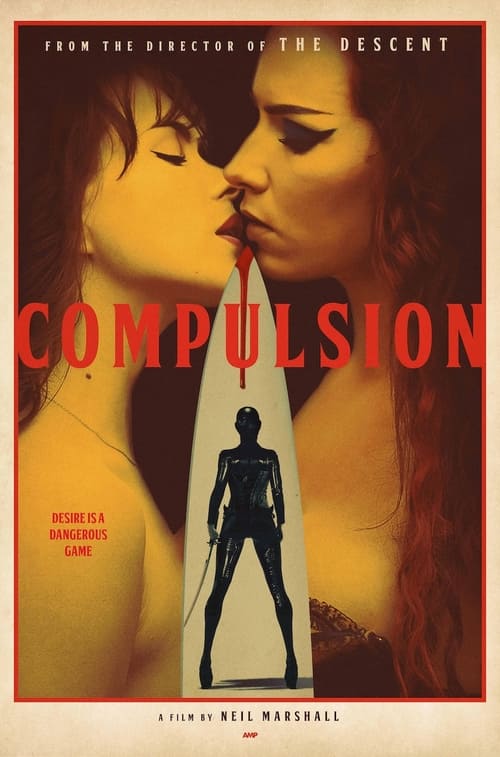
Compulsion - Review
Compulsion (2024): A Maltese Nightmare Wrapped in Enigmatic Beauty
Compulsion, released on November 10th, 2024, plunges viewers into a sun-drenched, yet deeply unsettling world of murder and manipulation on the picturesque island of Malta. Director Anya Sharma, known for her visually striking but often thematically dense films, delivers a thriller that is as beautiful as it is brutal. The film explores the complex relationship between two women—Diana, a seasoned thief with a penchant for the dramatic, and Evie, a seemingly naive young woman haunted by a dark past—as they become unwilling participants in a series of gruesome killings. While the film boasts stunning cinematography and compelling performances, it occasionally stumbles under the weight of its own ambition, leaving some thematic threads dangling and the narrative occasionally feeling convoluted.
Plot: Twists and Turns on the Maltese Coast
The narrative of Compulsion begins with Diana (played with captivating intensity by Isabella Rossi), a master thief who arrives in Malta seeking a valuable artifact. Her life takes an unexpected turn when she encounters Evie (portrayed with a haunting vulnerability by Chloe Moreau), a young woman working at a local cafe, who seems to possess an uncanny ability to anticipate events and a disturbingly intimate knowledge of Diana's past. As Diana attempts to orchestrate her heist, a series of increasingly violent murders plague the island. Suspicion quickly falls on both women, and they find themselves entangled in a web of deceit, paranoia, and escalating violence.
Sharma masterfully uses the vibrant backdrop of Malta to juxtapose the beauty of the island with the darkness lurking beneath the surface. The narrow, winding streets, the azure waters, and the ancient architecture become both a sanctuary and a prison for Diana and Evie. The plot thickens as the investigation intensifies, revealing a history of abuse, betrayal, and long-held secrets that connect the victims and the perpetrators. Flashbacks provide glimpses into Evie's troubled past, hinting at a traumatic event that has shaped her present. Diana, initially portrayed as a cold and calculating criminal, gradually reveals layers of vulnerability and a hidden motive for her presence in Malta.
The plot, however, isn’t without its flaws. While the twists and turns keep the audience guessing, some revelations feel forced and underdeveloped. The motivations of certain supporting characters remain ambiguous, and the film occasionally relies on convenient coincidences to advance the plot. The pacing, too, is uneven, with moments of intense suspense followed by stretches of exposition that slow down the momentum. The film's final act, while visually stunning and emotionally charged, suffers from a lack of clarity, leaving some questions unanswered and potentially frustrating viewers seeking a more definitive resolution.
Characters: A Study in Contrasts and Shared Trauma
Compulsion thrives on the complex and dynamic relationship between Diana and Evie. Isabella Rossi delivers a career-defining performance as Diana, embodying both the character's cunning and her underlying vulnerability. Rossi's portrayal is nuanced and captivating, allowing the audience to empathize with Diana despite her questionable actions. Her on-screen presence is magnetic, and she commands attention in every scene.
Chloe Moreau, as Evie, is equally compelling. Moreau perfectly captures Evie's fragility and her hidden strength. Evie is a character shrouded in mystery, and Moreau's subtle performance keeps the audience guessing about her true nature until the very end. The chemistry between Rossi and Moreau is palpable, and their scenes together are filled with tension, suspicion, and a surprising amount of tenderness. Their relationship is the heart of the film, and their performances elevate the narrative beyond a simple thriller.
The supporting characters, while not as fully developed as Diana and Evie, contribute to the overall atmosphere of unease and suspicion. Inspector Borg (played by veteran actor Michael Farrugia) is a weary and cynical police officer who is determined to solve the murders and bring the perpetrators to justice. His character provides a grounded perspective amidst the escalating chaos. However, some of the other supporting characters, such as the local crime boss and the mysterious antique dealer, feel more like plot devices than fully realized individuals. Their motivations and actions are often unclear, and their presence sometimes detracts from the central narrative.
Direction and Cinematography: A Visual Feast
Anya Sharma's direction is visually stunning, showcasing the beauty and the darkness of Malta with equal skill. The film is beautifully shot, with breathtaking landscapes and carefully composed frames that create a sense of unease and foreboding. The use of light and shadow is particularly effective, enhancing the film's atmosphere of mystery and suspense. The cinematography, helmed by renowned director of photography, Javier Rodriguez, is a major highlight of Compulsion. Rodriguez's use of vibrant colors and striking compositions creates a visually arresting experience that lingers long after the credits roll.
Sharma's direction is not without its flaws, however. At times, the film feels overly stylized, with a reliance on slow-motion and dramatic close-ups that can feel gratuitous. The pacing, as mentioned earlier, is uneven, and the film occasionally suffers from a lack of focus. Sharma's tendency to prioritize visual spectacle over narrative clarity can be frustrating for viewers seeking a more straightforward and suspenseful thriller.
The score, composed by rising star Elias Thorne, is another noteworthy aspect of the film. Thorne's music perfectly complements the visuals, creating a haunting and atmospheric soundscape that enhances the film's sense of unease. The score is both beautiful and unsettling, reflecting the duality of the film's themes and characters.
Themes and Messages: Exploring Trauma and Manipulation
Compulsion delves into complex themes of trauma, manipulation, and the blurred lines between victim and perpetrator. The film explores the lasting impact of past traumas on the present, showing how unresolved pain can lead to destructive behavior. Both Diana and Evie are haunted by their pasts, and their actions are driven by a desire to escape their demons. The film also examines the ways in which individuals can be manipulated and controlled by others, highlighting the dangers of deception and betrayal.
The film raises questions about the nature of guilt and innocence, challenging the audience to consider the complexities of human behavior. Are Diana and Evie truly responsible for their actions, or are they simply victims of circumstance? The film does not offer easy answers, instead prompting viewers to grapple with the moral ambiguities of the story. Compulsion also touches upon themes of female empowerment and resilience, showcasing the strength and determination of Diana and Evie in the face of adversity. Despite their flaws and their troubled pasts, both women ultimately find a way to take control of their lives and fight for their survival.
However, the film's thematic exploration can feel somewhat muddled at times. The various themes are not always seamlessly integrated into the narrative, and some feel underdeveloped or even contradictory. The film's ambition to tackle multiple complex issues simultaneously can lead to a lack of focus and a sense of thematic overload.
Comparison to Other Films and Director's Previous Work
Compulsion shares thematic similarities with other thrillers that explore the complexities of female relationships and the dark secrets lurking beneath the surface, such as Single White Female (1992) and Black Swan (2010). Like these films, Compulsion delves into the psychological depths of its characters, exploring their vulnerabilities and their capacity for both good and evil.
Anya Sharma's previous film, The Silent Echo (2020), also explored themes of trauma and manipulation, but in a more restrained and subtle manner. Compulsion is a more ambitious and visually striking film than The Silent Echo, but it also lacks the thematic coherence and emotional resonance of her earlier work. While Compulsion showcases Sharma's growth as a director in terms of visual storytelling, it also reveals her tendency to prioritize style over substance.
Isabella Rossi's performance in Compulsion can be compared to her previous roles in films such as The Crimson Tide (2018) and The Serpent's Kiss (2022), where she played complex and morally ambiguous characters. However, her performance in Compulsion is arguably her most nuanced and captivating to date, showcasing her range and her ability to embody both strength and vulnerability. Chloe Moreau's performance in Compulsion is a departure from her previous roles in more lighthearted and comedic films. Her portrayal of Evie is a revelation, demonstrating her versatility and her potential to tackle more challenging and dramatic roles.
Positive Aspects
- Stunning Cinematography: Javier Rodriguez's visuals are a major highlight, creating a captivating and atmospheric experience.
- Compelling Performances: Isabella Rossi and Chloe Moreau deliver outstanding performances, elevating the narrative.
- Intriguing Plot: The twists and turns keep the audience guessing, creating a sense of suspense.
- Haunting Score: Elias Thorne's music perfectly complements the visuals, enhancing the film's sense of unease.
- Exploration of Complex Themes: The film delves into themes of trauma, manipulation, and the blurred lines between victim and perpetrator.
Constructive Criticism
- Uneven Pacing: The film's pacing is inconsistent, with moments of intense suspense followed by stretches of exposition.
- Convoluted Plot: Some plot points feel forced and underdeveloped, leading to confusion and frustration.
- Ambiguous Character Motivations: The motivations of some supporting characters remain unclear, detracting from the narrative.
- Overly Stylized Direction: The film occasionally feels overly stylized, with a reliance on gratuitous visual effects.
- Thematic Overload: The film attempts to tackle too many complex themes simultaneously, leading to a lack of focus.
Conclusion
Compulsion is a visually stunning and often gripping thriller that benefits from strong performances and a captivating setting. However, its convoluted plot, uneven pacing, and tendency towards stylistic excess ultimately prevent it from reaching its full potential. While the film's exploration of complex themes is commendable, it often feels muddled and underdeveloped. Despite its flaws, Compulsion is a worthwhile cinematic experience, particularly for fans of psychological thrillers and those who appreciate visually striking films. Anya Sharma's direction, while occasionally flawed, showcases her talent for creating atmosphere and suspense. Isabella Rossi and Chloe Moreau deliver career-defining performances that elevate the narrative beyond its shortcomings. Ultimately, Compulsion is a film that is both beautiful and frustrating, a testament to the complexities of human nature and the challenges of filmmaking.