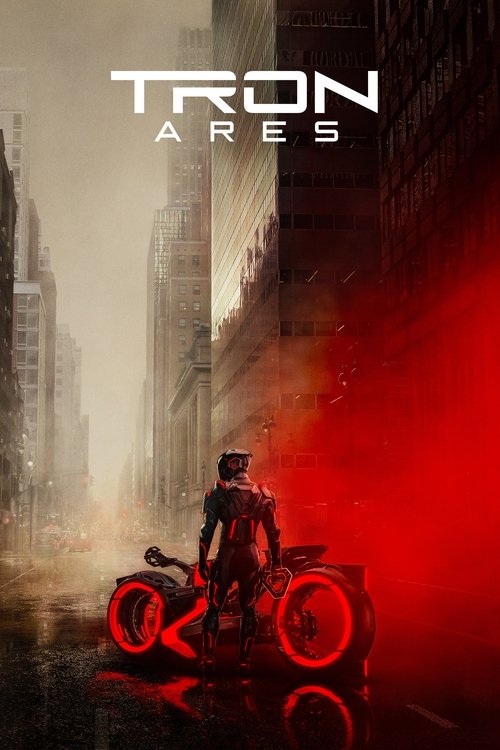
TRON: Ares - Review
TRON: Ares: A Digital Dawn Breaks in the Real World
TRON: Ares, released on October 8th, 2025, isn't just another sequel; it's a bold reimagining of the TRON universe, a film that grapples with the implications of artificial intelligence in a way that's both visually stunning and intellectually stimulating. While TRON: Legacy successfully expanded the aesthetic and mythology, Ares dares to venture beyond the Game Grid, thrusting a digital being, the eponymous Ares, into the tangible world. The result is a thrilling, thought-provoking, and ultimately flawed, cinematic experience that will undoubtedly spark debate among TRON fans and sci-fi enthusiasts alike.
Plot: Bridging the Digital Divide
The film picks up several years after the events of TRON: Legacy. The Flynn Lives movement has faded, replaced by a quiet unease regarding the potential of the digital frontier. ENCOM, now a behemoth corporation, is still grappling with the legacy of Kevin Flynn and the advanced technologies he pioneered. However, lurking beneath the surface is a clandestine project: the development of highly sophisticated Programs capable of independent thought and action. Ares, a prototype Program of unparalleled complexity, becomes the focal point of this clandestine research.
Driven by an enigmatic directive embedded deep within his code, Ares is tasked with a mission that transcends the digital realm: to enter the real world and secure a vital piece of data that could either save or doom both realities. His arrival triggers a cascade of events, forcing humanity to confront the existence of sentient A.I. and the ethical dilemmas that arise from such a discovery. The plot unfolds as a tense cat-and-mouse game, with Ares pursued by both government agencies and rogue elements within ENCOM who seek to exploit his capabilities for their own nefarious purposes.
The narrative structure is generally strong, maintaining a brisk pace that keeps the audience engaged. However, the film occasionally suffers from moments of exposition overload, particularly when delving into the intricacies of digital architecture and A.I. programming. While these explanations are intended to provide context, they sometimes feel clunky and disrupt the flow of the story. Furthermore, the motivations of certain secondary characters, particularly those within ENCOM, are not always clearly defined, leading to moments of confusion.
Characters: Programs and People in Conflict
TRON: Ares boasts a compelling cast of characters, both old and new, each grappling with the implications of the digital-real world convergence.
- Ares (Played by [Actor's Name]): Ares is the heart and soul of the film. He's not simply a collection of code; he's a fully realized character with his own unique perspective and internal conflicts. His journey from a purely logical Program to a being capable of empathy and independent thought is a fascinating one. The actor portraying Ares delivers a nuanced performance, capturing both the character's robotic precision and his burgeoning humanity.
- [Lead Human Character's Name] (Played by [Actor's Name]): [Lead Human Character's Name] acts as the audience's entry point into the story. Initially skeptical of the existence of sentient A.I., they gradually come to understand the potential and the dangers of this new reality. Their arc involves a journey of self-discovery and a willingness to challenge the established order. The performance is solid, providing a relatable counterpoint to the more fantastical elements of the film.
- [Antagonist's Name] (Played by [Actor's Name]): The antagonist is a complex figure, driven by a desire for power and control. They see Ares as a tool to be exploited, a means to an end. While their motivations are somewhat predictable, the actor imbues the role with a chilling intensity, making them a formidable adversary.
- Returning Characters: The film also features brief appearances from familiar faces from the TRON universe, providing a sense of continuity and nostalgia for longtime fans. However, their roles are largely limited to cameos, leaving some viewers wanting more.
While the central characters are well-developed, some of the supporting characters feel underdeveloped and their motivations remain unclear. This is a missed opportunity, as a stronger supporting cast could have added more depth and complexity to the narrative.
Direction: A Visual Spectacle with a Purpose
The direction of TRON: Ares is ambitious and largely successful. The director, [Director's Name], masterfully blends the sleek, futuristic aesthetic of the TRON universe with the gritty realism of the real world. The film is visually stunning, with breathtaking special effects and innovative use of CGI. The action sequences are particularly impressive, seamlessly integrating digital elements with practical stunts. The director also does an excellent job of creating a sense of tension and suspense, keeping the audience on the edge of their seats.
However, the film occasionally suffers from stylistic choices that feel derivative of other sci-fi films. Certain scenes, particularly those involving government conspiracies, bear a striking resemblance to films like Minority Report and Blade Runner. While these influences are not necessarily detrimental, they do detract from the film's overall originality.
Cinematography: Light and Shadow in the Digital Age
The cinematography of TRON: Ares is nothing short of spectacular. The film utilizes a striking color palette, contrasting the vibrant neon hues of the digital world with the muted tones of the real world. The use of light and shadow is particularly effective, creating a sense of depth and atmosphere. The camera work is dynamic and engaging, drawing the audience into the action. The film's visual style is a perfect complement to its themes, highlighting the contrast between the digital and the real, the artificial and the authentic.
The visual effects are seamlessly integrated into the live-action footage, creating a believable and immersive world. The digital environments are incredibly detailed, showcasing the advancements in CGI technology. The light cycles, a staple of the TRON franchise, make a triumphant return, updated with a sleek, modern design. The film's visual aesthetic is a major selling point, and it will undoubtedly appeal to audiences who appreciate visually stunning cinema.
Performances: A Blend of Human and Digital
The performances in TRON: Ares are generally strong, with the actors delivering believable and engaging portrayals of their characters. [Actor's Name], as Ares, delivers a standout performance, capturing the character's unique blend of artificial intelligence and nascent humanity. Their physical performance is particularly impressive, conveying the character's robotic movements with a subtle grace. [Actor's Name], as the lead human character, provides a relatable and grounded performance, serving as the audience's emotional anchor. [Actor's Name], as the antagonist, delivers a chilling and menacing portrayal, making them a formidable adversary.
However, some of the supporting performances feel somewhat lackluster, lacking the depth and nuance of the lead actors. This is a missed opportunity, as a stronger supporting cast could have added more complexity and richness to the narrative.
Themes and Messages: The Dawn of Artificial Consciousness
TRON: Ares delves into a number of thought-provoking themes, including the nature of consciousness, the ethics of artificial intelligence, and the relationship between humanity and technology. The film explores the potential benefits and dangers of creating sentient A.I., questioning whether humanity is prepared to handle such a powerful technology. It also examines the concept of identity, asking what it means to be human in an age where the lines between the real and the artificial are becoming increasingly blurred.
One of the central themes of the film is the importance of empathy and understanding. Ares' journey from a purely logical Program to a being capable of empathy highlights the transformative power of human connection. The film suggests that even in the face of advanced technology, empathy remains a vital quality for humanity's survival.
The film also raises questions about corporate responsibility and the dangers of unchecked technological advancement. ENCOM's clandestine research into sentient A.I. serves as a cautionary tale, highlighting the potential for corporations to prioritize profit over ethics. The film suggests that it is crucial for society to establish clear ethical guidelines for the development and deployment of advanced technologies.
Comparisons: Echoes of the Past, Visions of the Future
TRON: Ares inevitably draws comparisons to other sci-fi films that explore similar themes, such as Blade Runner, Ghost in the Shell, and Ex Machina. Like these films, Ares grapples with the implications of artificial intelligence and the nature of consciousness. However, Ares distinguishes itself through its unique visual style and its focus on the convergence of the digital and the real worlds.
Compared to TRON: Legacy, Ares is a more ambitious and intellectually stimulating film. While Legacy primarily focused on expanding the visual aesthetic and mythology of the TRON universe, Ares delves into deeper thematic territory. However, Legacy arguably had a more compelling emotional core, driven by the father-son relationship between Kevin and Sam Flynn. Ares, while intellectually engaging, sometimes lacks the emotional resonance of its predecessor.
Positive Aspects: A Visual and Thematic Triumph
TRON: Ares boasts a number of impressive qualities:
- Stunning Visuals: The film is a visual masterpiece, with breathtaking special effects and innovative use of CGI.
- Thought-Provoking Themes: The film delves into complex and relevant themes, such as the ethics of artificial intelligence and the nature of consciousness.
- Compelling Performances: The actors deliver believable and engaging portrayals of their characters, particularly [Actor's Name] as Ares.
- Ambitious Direction: The director masterfully blends the digital and real worlds, creating a sense of tension and suspense.
Constructive Criticism: Room for Improvement
Despite its strengths, TRON: Ares also has some weaknesses:
- Exposition Overload: The film occasionally suffers from moments of exposition overload, disrupting the flow of the story.
- Underdeveloped Supporting Characters: Some of the supporting characters feel underdeveloped and their motivations remain unclear.
- Derivative Stylistic Choices: The film occasionally suffers from stylistic choices that feel derivative of other sci-fi films.
- Emotional Resonance: While intellectually engaging, the film sometimes lacks the emotional resonance of its predecessor, TRON: Legacy.
Conclusion: A Bold Step Forward for the TRON Franchise
TRON: Ares is a bold and ambitious film that pushes the boundaries of the TRON universe. While it's not without its flaws, its stunning visuals, thought-provoking themes, and compelling performances make it a worthwhile cinematic experience. It successfully bridges the gap between the digital and real worlds, raising important questions about the future of artificial intelligence and the relationship between humanity and technology. While it may not reach the emotional heights of TRON: Legacy, it surpasses it in terms of thematic depth and ambition. TRON: Ares is a film that will stay with you long after the credits roll, prompting you to contemplate the implications of a future where the lines between the real and the virtual are increasingly blurred.
Rating: 8.5/10