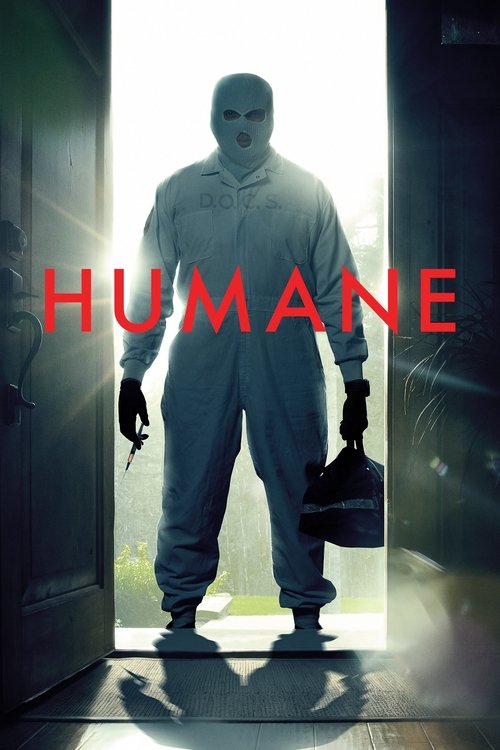
Humane - Review
Humane: A Dinner Party From Hell in a Dystopian Tomorrow
In a world teetering on the brink of ecological collapse, where resources are dwindling and the human population is deemed unsustainable, comes Humane, a chilling and thought-provoking horror-thriller that forces us to confront uncomfortable truths about our relationship with the planet and each other. Director Caitlin Cronenberg, daughter of the legendary David Cronenberg, steps out of her father's shadow and establishes her own distinct voice with this visceral and unsettling film. While not without its flaws, Humane is a potent cocktail of social commentary and gruesome suspense that lingers long after the credits roll. Forget polite dinner conversation; this is a family gathering where the main course is survival, and the dessert is despair.
Plot: A Deadly Choice, A Chaotic Descent
The film is set in a near-future ravaged by environmental disasters. Water is scarce, the air is choked with pollutants, and governments are implementing drastic measures to curb the population. One such measure is the "Humane Initiative," a state-sponsored euthanasia program offering financial incentives to those who volunteer. Frank York (Peter Gallagher), a wealthy and seemingly altruistic man, gathers his four adult children for a family dinner. He intends to announce his decision to participate in the program, believing it's the responsible thing to do for the sake of future generations. However, the evening quickly spirals into chaos when the government's representative, a chillingly detached woman named Lidia (Chrissy Fit), arrives to expedite the process. What was meant to be a controlled and dignified exit becomes a brutal struggle for survival as the family members are forced to confront their own self-preservation instincts and the dark secrets simmering beneath their seemingly perfect facade.
The plot's strength lies in its escalating tension. Cronenberg masterfully ratchets up the suspense as the family members, initially united in their shock and disbelief, turn against each other. The confined setting of the York family's opulent home amplifies the claustrophobia and paranoia. The film doesn't shy away from depicting the gruesome consequences of their desperate actions, adding a visceral layer to the psychological horror. However, the plot also suffers from occasional pacing issues. The initial setup feels somewhat rushed, and certain plot points, particularly regarding the motivations of some characters, could have been explored in greater depth. The ending, while impactful, might leave some viewers wanting more closure and a clearer resolution to the overarching environmental crisis.
Characters: A Family Torn Apart
The characters in Humane are complex and flawed, each representing a different facet of humanity's response to the impending apocalypse. Frank York, the patriarch, is portrayed as a man grappling with guilt and a desire to leave a positive legacy. Peter Gallagher delivers a nuanced performance, capturing Frank's initial conviction and his subsequent regret as the situation spirals out of control. His children, however, are far more compelling in their flawed humanity.
- Noah (Jay Baruchel): The eldest son, a struggling writer burdened by debt and resentment towards his father's success. Baruchel shines as Noah, portraying his character's desperation and moral ambiguity with chilling realism.
- Ashley (Emily Hampshire): The pragmatic and ambitious daughter, focused on securing her own future and willing to make difficult choices. Hampshire brings a steely resolve to Ashley, making her a compelling and often unlikeable character.
- Rachel (Brittany Bristow): The seemingly naive and compassionate daughter, who struggles to reconcile her moral values with the brutal reality of their situation. Bristow effectively portrays Rachel's emotional turmoil, making her a sympathetic figure amidst the chaos.
- Ben (Sebastian Chacon): The youngest son, a recovering addict trying to stay clean and navigate the family drama. Chacon delivers a powerful performance as Ben, showcasing his vulnerability and his desperate attempts to maintain his sobriety.
- Lidia (Chrissy Fit): The government representative, a chillingly detached and efficient agent of the Humane Initiative. Fit's portrayal of Lidia is unsettlingly calm and devoid of empathy, making her a truly terrifying antagonist.
The strength of the characters lies in their relatability. Despite the extreme circumstances, their struggles with family dynamics, financial pressures, and moral compromises resonate with the audience. However, some characters, particularly Rachel, could have been given more depth and agency. Her initial naivete sometimes feels contrived, and her character arc could have been more impactful.
Direction and Cinematography: A Claustrophobic Vision
Caitlin Cronenberg demonstrates a clear understanding of suspense and atmosphere in her direction of Humane. She effectively uses the confined setting of the York family's home to create a sense of claustrophobia and paranoia. The camera work is often intimate and unsettling, focusing on the characters' facial expressions and body language to convey their growing fear and desperation. The pacing is generally well-maintained, with the tension steadily building throughout the film. However, there are moments where the direction feels slightly derivative, echoing the style of her father's earlier works. While this is understandable given her lineage, it would have been beneficial to see more of her own unique directorial vision.
The cinematography, by Douglas Koch, is particularly effective in creating the film's bleak and oppressive atmosphere. The color palette is muted and desaturated, reflecting the environmental devastation and the characters' emotional state. The use of shadows and darkness adds to the sense of unease and foreboding. The visual effects, while not overly extravagant, are seamlessly integrated into the narrative, enhancing the realism of the dystopian setting. The film's visual style effectively complements the thematic content, creating a cohesive and unsettling viewing experience.
Performances: A Cast on the Edge
The performances in Humane are uniformly strong, with each actor bringing depth and nuance to their respective roles. Peter Gallagher delivers a compelling performance as Frank York, portraying his character's internal conflict with subtlety and conviction. Jay Baruchel shines as Noah, capturing his character's desperation and moral ambiguity with chilling realism. Emily Hampshire is equally impressive as Ashley, bringing a steely resolve to her character's pragmatic and ambitious nature. Brittany Bristow effectively portrays Rachel's emotional turmoil, making her a sympathetic figure amidst the chaos. Sebastian Chacon delivers a powerful performance as Ben, showcasing his vulnerability and his desperate attempts to maintain his sobriety. Chrissy Fit is unsettlingly effective as Lidia, embodying the cold and detached nature of the government's euthanasia program.
The chemistry between the actors is palpable, contributing to the believability of the family dynamics. Their interactions are often tense and fraught with conflict, reflecting the deep-seated resentments and unresolved issues that have plagued their relationships. The actors effectively convey the characters' emotional journeys, making the audience invested in their fate, even when their actions are morally questionable.
Themes and Messages: Confronting Our Future
Humane is more than just a horror-thriller; it's a potent commentary on a range of important themes, including:
- Environmental Collapse: The film serves as a stark warning about the consequences of unchecked environmental degradation. The dystopian setting is a chilling reminder of what could happen if we fail to address the climate crisis.
- Overpopulation: The film explores the ethical dilemmas surrounding population control and the potential for governments to implement drastic measures in the face of resource scarcity.
- Family Dynamics: The film delves into the complexities of family relationships, highlighting the resentments, rivalries, and hidden secrets that can simmer beneath the surface.
- Moral Ambiguity: The film challenges the audience to confront their own moral values by presenting characters who are forced to make difficult choices in extreme circumstances.
- The Value of Life: The film raises profound questions about the value of human life and the circumstances under which it might be deemed expendable.
- Government Control: The film explores the dangers of unchecked government power and the potential for authoritarianism in times of crisis.
The film's message is not necessarily pessimistic, but rather cautionary. It urges us to take responsibility for our actions and to consider the long-term consequences of our choices. It also highlights the importance of empathy and compassion in a world that is becoming increasingly divided and polarized.
Comparisons: Echoes of Dystopian Classics
Humane draws inspiration from a variety of dystopian classics, including:
- Soylent Green (1973): Shares a similar theme of resource scarcity and government control in a dystopian future.
- The Handmaid's Tale (1990): Explores the dangers of authoritarianism and the suppression of individual rights.
- The Purge (2013): Presents a scenario where violence is sanctioned by the government as a means of population control.
- Would You Rather (2012): A group of individuals are forced to participate in deadly games for the entertainment of wealthy spectators.
While Humane shares thematic similarities with these films, it distinguishes itself through its intimate focus on the family dynamics and its visceral depiction of the consequences of their choices. Caitlin Cronenberg also brings her own unique directorial style to the genre, creating a film that is both unsettling and thought-provoking.
Compared to her father's work, Humane lacks the overt body horror that is often associated with David Cronenberg's films. However, it shares his penchant for exploring the darker aspects of human nature and his willingness to confront taboo subjects. While Humane may not reach the same level of cinematic brilliance as some of David Cronenberg's masterpieces, it demonstrates Caitlin Cronenberg's potential as a filmmaker and establishes her as a talent to watch.
Positive Aspects: Suspense, Performances, and Themes
- Suspenseful Plot: The film effectively builds tension throughout, keeping the audience on the edge of their seats.
- Strong Performances: The cast delivers uniformly strong performances, bringing depth and nuance to their respective roles.
- Thought-Provoking Themes: The film explores a range of important themes, prompting reflection on our relationship with the planet and each other.
- Effective Cinematography: The film's visual style effectively complements the thematic content, creating a cohesive and unsettling viewing experience.
- Distinct Directorial Voice: Caitlin Cronenberg establishes her own distinct voice as a filmmaker, showcasing her potential for future projects.
Constructive Criticism: Pacing and Character Depth
- Pacing Issues: The initial setup feels somewhat rushed, and certain plot points could have been explored in greater depth.
- Character Depth: Some characters, particularly Rachel, could have been given more depth and agency.
- Ending Ambiguity: The ending, while impactful, might leave some viewers wanting more closure and a clearer resolution to the overarching environmental crisis.
- Derivative Elements: At times, the direction feels slightly derivative of David Cronenberg's style.
Conclusion and Rating
Humane is a chilling and thought-provoking horror-thriller that effectively blends social commentary with gruesome suspense. While not without its flaws, the film's strong performances, suspenseful plot, and exploration of important themes make it a worthwhile viewing experience. Caitlin Cronenberg demonstrates her potential as a filmmaker and establishes her own distinct voice in the genre. If you're looking for a film that will leave you disturbed and pondering the future of humanity, Humane is definitely worth checking out.
Rating: 7.8/10