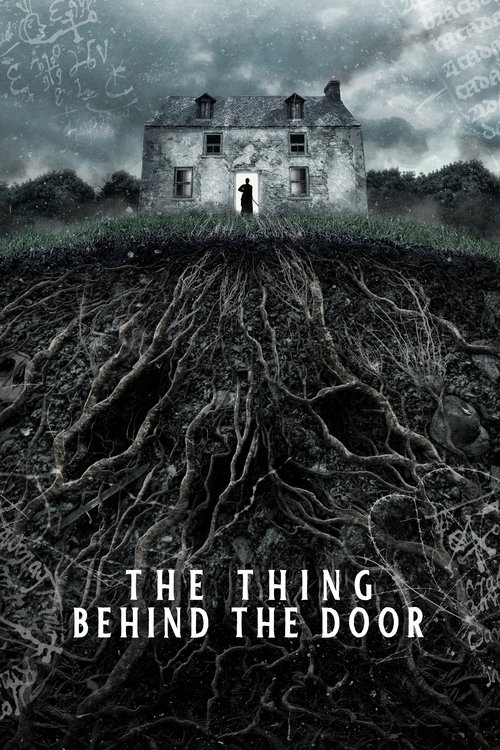
The Thing Behind The Door - Review
"The Thing Behind The Door": A Haunting Exploration of Grief and the Occult
The horror genre has always served as a fertile ground for exploring the darker aspects of the human condition, often using supernatural elements to amplify our fears and anxieties. "The Thing Behind The Door," released in 2023, enters this arena with a chilling tale of grief, desperation, and the perilous consequences of tampering with forces beyond our comprehension. While the film doesn't necessarily reinvent the wheel, it offers a compelling and atmospheric experience that lingers long after the credits roll, thanks to its strong performances, evocative cinematography, and a story that taps into primal fears.
Plot Summary: A Descent into Darkness
The film centers around Adèle, a young woman living in the aftermath of World War One. Her life has been shattered by the death of her husband, a soldier lost in the brutal trenches of the conflict. Overwhelmed by grief and unable to accept her loss, Adèle becomes increasingly isolated and consumed by a desperate desire to reunite with her deceased lover. Driven by this obsession, she delves into the occult, seeking a way to bring him back from the other side. Her research leads her to black magic, a path fraught with danger and unforeseen consequences.
Against the advice of those around her, Adèle performs a ritual, a dark and forbidden act that promises to restore her lost love. Miraculously (or perhaps terrifyingly), the ritual works. Her husband returns, but not as she remembers him. He is changed, twisted, and accompanied by an unsettling presence that seems to emanate from him. Adèle soon realizes that she has opened a Pandora's Box, unleashing something far more sinister than she could have ever imagined. The "thing" behind the door, so to speak, is not just her resurrected husband, but a malevolent entity that threatens to consume her and everything she holds dear. The remainder of the film explores Adèle's struggle to understand and control the forces she has unleashed, as she desperately tries to protect herself and those around her from the encroaching darkness.
Character Analysis: Grief and Its Manifestations
Adèle: The protagonist, portrayed with remarkable depth, is a woman driven to the brink by grief. Her love for her husband is the catalyst for her actions, but it's her inability to cope with his death that truly fuels her descent into the occult. She is a complex character, simultaneously strong and vulnerable, determined and desperate. The film effectively portrays her internal conflict as she grapples with the consequences of her actions and questions whether the resurrected version of her husband is truly him. Her transformation throughout the film is compelling, as she evolves from a grieving widow to a woman fighting for her survival.
The Resurrected Husband: This character is far more than just a simple zombie or reanimated corpse. He embodies the corruption and perversion that can result from tampering with the natural order. He is a constant reminder of the price Adèle must pay for her actions, and his increasingly erratic and sinister behavior serves as a terrifying manifestation of the evil she has unleashed. The actor does a fantastic job of portraying the subtle shifts in his character, hinting at the malevolent presence lurking beneath the surface.
Supporting Characters: While the focus remains firmly on Adèle and her resurrected husband, the supporting characters play crucial roles in grounding the story and providing context. They represent the voices of reason and caution, highlighting the dangers of Adèle's actions and offering glimpses of the world outside her increasingly isolated existence. These characters also serve as potential victims, raising the stakes and adding to the overall sense of dread.
Direction and Cinematography: Crafting an Atmosphere of Dread
The director masterfully creates an atmosphere of creeping dread and unsettling unease. The pacing is deliberately slow and methodical, allowing the tension to build gradually. The film relies heavily on atmosphere and suggestion, rather than jump scares, to create its horror. This approach is particularly effective, as it allows the audience to become immersed in Adèle's increasingly paranoid and unsettling world.
The cinematography is a standout element of the film. The use of dark and muted colors creates a visually oppressive atmosphere, reflecting Adèle's emotional state and the encroaching darkness. The film makes excellent use of shadows and lighting, often obscuring details and leaving the audience to fill in the blanks, further enhancing the sense of unease. The camera work is deliberate and purposeful, often focusing on subtle details and expressions to convey the characters' emotions and the growing sense of dread. The use of claustrophobic framing and unsettling camera angles adds to the feeling of being trapped and suffocated by the encroaching evil.
Performances: Anchoring the Horror in Reality
The strength of "The Thing Behind The Door" lies in its performances. The lead actress delivers a tour-de-force performance as Adèle, capturing her grief, desperation, and eventual terror with remarkable authenticity. She convincingly portrays the character's emotional journey, making the audience empathize with her plight even as she makes increasingly questionable decisions. The actor playing the resurrected husband also deserves praise for his subtle and unsettling performance. He effectively conveys the character's transformation from a loving partner to a sinister and unpredictable presence, leaving the audience constantly guessing about his true nature.
The supporting cast also delivers solid performances, providing believable and relatable characters that help to ground the story in reality. Their reactions to Adèle's increasingly erratic behavior and the growing sense of unease add to the overall tension and heighten the stakes.
Themes and Messages: Exploring the Darkness Within
"The Thing Behind The Door" explores several compelling themes, including:
The Nature of Grief: The film delves into the depths of grief and the lengths to which people will go to alleviate their pain. It examines the destructive power of unresolved grief and the dangers of clinging to the past. Adèle's inability to accept her husband's death drives her to desperate measures, ultimately unleashing a far greater evil.
The Dangers of Obsession: Adèle's obsession with bringing her husband back consumes her entire being, blinding her to the potential consequences of her actions. The film serves as a cautionary tale about the dangers of allowing obsession to control one's life.
The Price of Tampering with the Unknown: The film explores the consequences of meddling with forces beyond our comprehension. Adèle's foray into black magic unleashes an evil that she cannot control, highlighting the dangers of seeking power and knowledge without understanding the potential risks.
The Corruption of Love: The film suggests that even the purest of emotions, such as love, can be corrupted by grief and desperation. Adèle's love for her husband ultimately leads to his desecration and the unleashing of a malevolent entity.
Comparisons: Echoes of Horror's Past
"The Thing Behind The Door" draws inspiration from several classic horror films, including:
"Pet Sematary" (1989): Like Stephen King's classic, the film explores the dangers of bringing back the dead and the horrifying consequences that can result from tampering with the natural order.
"The Babadook" (2014): Both films use supernatural elements to explore the themes of grief and the destructive power of repressed emotions.
"The Others" (2001): The atmospheric setting, the sense of isolation, and the gradual unveiling of a terrifying truth are reminiscent of Alejandro Amenábar's gothic horror masterpiece.
While "The Thing Behind The Door" shares similarities with these films, it also manages to carve out its own unique identity, thanks to its strong performances, evocative cinematography, and a story that is both chilling and emotionally resonant.
Positive Aspects and Constructive Criticism: A Balanced Perspective
Positive Aspects:
- Strong performances, particularly from the lead actress.
- Evocative cinematography and atmospheric setting.
- Compelling exploration of grief and obsession.
- Effective use of suspense and suggestion to create horror.
- Thought-provoking themes and messages.
Constructive Criticism:
- The pacing may be too slow for some viewers.
- The plot can feel somewhat predictable at times.
- Some of the supporting characters could have been more developed.
- The ending may leave some viewers wanting more resolution.
Conclusion: A Haunting and Thought-Provoking Horror Experience
"The Thing Behind The Door" is a well-crafted and atmospheric horror film that offers a compelling exploration of grief, obsession, and the dangers of tampering with the unknown. While it may not be the most original film in the genre, it is executed with skill and precision, thanks to its strong performances, evocative cinematography, and a story that is both chilling and emotionally resonant. The film's slow-burn approach to horror may not appeal to all viewers, but those who appreciate atmospheric and thought-provoking horror will find much to enjoy. Ultimately, "The Thing Behind The Door" is a haunting and memorable film that lingers long after the credits roll, prompting reflection on the darkness that can lie within us all.