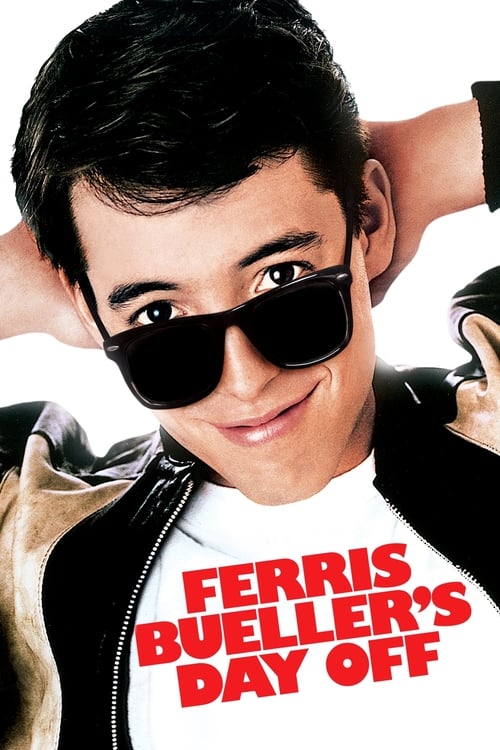
Ferris Bueller's Day Off - Review
Ferris Bueller's Day Off: A Timeless Celebration of Youthful Rebellion and Joy
Ferris Bueller's Day Off, released in the summer of 1986, isn't just a movie; it's a cultural touchstone. Decades later, its infectious energy, quotable dialogue, and relatable characters continue to resonate with audiences of all ages. John Hughes' masterful direction and a stellar cast combine to create a cinematic experience that's both hilarious and surprisingly poignant. But is the film's enduring popularity solely based on nostalgia, or does it possess a deeper, more lasting appeal? Let's dive into the delightful chaos of Ferris Bueller's epic day off.
Plot: A Symphony of Skiving and Suburban Adventure
The film's plot is deceptively simple: Ferris Bueller, a charismatic high school senior, decides he needs a day off. Armed with an uncanny ability to manipulate situations and people, he convinces his parents that he's deathly ill and embarks on an elaborate escapade through Chicago. He enlists the help of his girlfriend, Sloane Peterson, and his neurotic best friend, Cameron Frye, to join him on his adventure. Their day is filled with iconic moments, from visiting the Art Institute of Chicago to crashing a parade and enjoying a fancy lunch.
While the premise is straightforward, the brilliance lies in the execution. Hughes doesn't just present a series of random events; he crafts a narrative that builds upon itself, constantly raising the stakes and introducing new obstacles. The primary conflict stems from Principal Ed Rooney, a comically inept authority figure obsessed with catching Ferris in his lies. Rooney's relentless pursuit provides a constant source of tension and humor, as he repeatedly fails to outsmart the seemingly invincible Ferris. Furthermore, the film explores the internal struggles of Cameron, who grapples with his overbearing father and a deep-seated fear of the future. His journey of self-discovery adds depth and emotional resonance to the lighthearted proceedings.
Characters: Iconic Personalities and Relatable Struggles
The characters in Ferris Bueller's Day Off are arguably the film's greatest strength. Each character is distinct, memorable, and contributes to the overall dynamic of the story.
Ferris Bueller (Matthew Broderick)
Ferris is the ultimate charming rogue, a master manipulator with a heart of gold. He's not simply a troublemaker; he's a force of nature, a catalyst for change and a reminder to seize the day. Matthew Broderick's performance is pitch-perfect, capturing Ferris's charisma, wit, and underlying vulnerability. He breaks the fourth wall with ease, directly addressing the audience and inviting them to be complicit in his schemes. This direct connection creates a sense of intimacy and further enhances Ferris's likability.
Cameron Frye (Alan Ruck)
Cameron is the antithesis of Ferris: anxious, insecure, and trapped by his overbearing father. He represents the anxieties and pressures that many teenagers face. Alan Ruck delivers a nuanced and deeply sympathetic performance, showcasing Cameron's internal struggles with remarkable sensitivity. His eventual rebellion against his father, symbolized by the destruction of the prized Ferrari, is a cathartic moment for both Cameron and the audience.
Sloane Peterson (Mia Sara)
Sloane is more than just Ferris's girlfriend; she's a strong and independent character who adds a touch of sophistication to the group dynamic. Mia Sara portrays Sloane with a subtle blend of vulnerability and confidence. While she initially seems to be going along with Ferris's plan, she ultimately embraces the spontaneity and freedom of the day, finding her own voice and agency.
Ed Rooney (Jeffrey Jones)
Principal Rooney is the quintessential antagonist, a figure of authority who is constantly outsmarted and humiliated. Jeffrey Jones's portrayal is hilariously over-the-top, making Rooney both a comedic foil and a symbol of the stifling rigidity of the school system. His relentless pursuit of Ferris provides much of the film's comedic tension.
Jeanie Bueller (Jennifer Grey)
Jeanie, Ferris's sister, is initially portrayed as jealous and resentful of her brother's popularity and ability to get away with anything. However, as the film progresses, she undergoes a transformation, realizing that her anger is misplaced and that Ferris, despite his flaws, is ultimately a good person. Jennifer Grey brings a raw and relatable energy to the role, showcasing Jeanie's frustration and eventual understanding.
Direction: John Hughes's Masterful Touch
John Hughes was a master of capturing the teenage experience, and Ferris Bueller's Day Off is arguably his finest work. His direction is both stylish and insightful, seamlessly blending comedy and drama to create a film that is both entertaining and thought-provoking. Hughes's use of music is particularly noteworthy, with a soundtrack that perfectly complements the film's mood and energy. From the upbeat rhythms of "Twist and Shout" during the parade scene to the melancholic strains of "Please, Please, Please Let Me Get What I Want" during Cameron's introspective moments, the music enhances the emotional impact of the film.
Hughes's ability to create believable and relatable characters is another key to the film's success. He doesn't shy away from portraying the anxieties, insecurities, and frustrations that teenagers face. He also understands the importance of humor, using it to lighten the mood and make the film more accessible. The film is filled with memorable visual gags and witty dialogue, all of which contribute to its overall comedic appeal. Hughes also demonstrates a keen understanding of visual storytelling, using camera angles, editing, and set design to create a dynamic and engaging cinematic experience.
Cinematography: Capturing the Essence of Chicago
The cinematography in Ferris Bueller's Day Off is vibrant and dynamic, capturing the energy and beauty of Chicago. The film showcases iconic landmarks such as Wrigley Field, the Art Institute of Chicago, and the Sears Tower (now Willis Tower), using them as backdrops for Ferris and his friends' adventures. The camera work is fluid and engaging, often following Ferris as he navigates the city, creating a sense of movement and spontaneity. The use of natural light enhances the film's realism, while the vibrant colors add to its overall visual appeal.
The film also employs some clever visual techniques, such as the use of slow motion and fast motion to emphasize certain moments. The parade scene, in particular, is a visual feast, with its vibrant colors, elaborate costumes, and energetic performances. The cinematography effectively captures the excitement and chaos of the parade, making the audience feel as if they are right there with Ferris and his friends.
Performances: A Cast at the Top of Their Game
The performances in Ferris Bueller's Day Off are uniformly excellent. Matthew Broderick is perfectly cast as Ferris, bringing a charisma and charm to the role that is impossible to resist. Alan Ruck delivers a career-defining performance as Cameron, capturing the character's anxiety and vulnerability with remarkable sensitivity. Mia Sara is equally impressive as Sloane, portraying her with a subtle blend of strength and vulnerability. Jeffrey Jones is hilarious as Principal Rooney, while Jennifer Grey brings a raw and relatable energy to the role of Jeanie.
The supporting cast is also excellent, with memorable performances from Ben Stein as the monotone economics teacher and Charlie Sheen as the rebellious drug addict. Each actor brings their own unique talent to the film, contributing to its overall success.
Themes and Messages: More Than Just a Day Off
Beneath its comedic surface, Ferris Bueller's Day Off explores several important themes and messages. The film celebrates the importance of living in the moment and seizing the day. Ferris's philosophy is simple: life is too short to be wasted on worrying about the future or dwelling on the past. He encourages his friends (and the audience) to embrace the present and enjoy the simple pleasures of life.
The film also critiques the stifling nature of the school system and the pressures that teenagers face. Principal Rooney represents the rigid and inflexible authority figures who often fail to understand the needs and aspirations of young people. Cameron's struggle with his overbearing father highlights the importance of individuality and self-expression. The film ultimately encourages viewers to question authority, challenge conventional norms, and find their own path in life.
Furthermore, the film explores the themes of friendship and loyalty. Ferris, Cameron, and Sloane share a deep bond that is tested throughout the day. They support each other through thick and thin, demonstrating the importance of having friends who will stand by you no matter what. The film also touches on the theme of personal growth, as both Cameron and Jeanie undergo significant transformations over the course of the day.
Comparison to Other Films and Works
Ferris Bueller's Day Off is often compared to other coming-of-age films, such as The Breakfast Club and Sixteen Candles, both of which were also directed by John Hughes. While all three films explore the teenage experience, Ferris Bueller's Day Off is unique in its lighthearted tone and optimistic outlook. Unlike The Breakfast Club, which focuses on the conflicts and tensions between different social groups, Ferris Bueller's Day Off celebrates the joy and freedom of youth.
The film also shares similarities with other films that feature characters who break the fourth wall, such as Annie Hall and Deadpool. Ferris's direct addresses to the audience create a sense of intimacy and complicity, drawing viewers into his world and making them feel like they are part of the adventure. However, unlike some other films that use this technique, Ferris Bueller's Day Off never feels self-indulgent or pretentious. The fourth-wall breaks are always used to enhance the humor and emotional impact of the film.
Positive Aspects
- Charming and relatable characters: Ferris, Cameron, and Sloane are all memorable and engaging.
- Witty and quotable dialogue: The film is filled with memorable lines that have become part of popular culture.
- Masterful direction by John Hughes: Hughes expertly blends comedy and drama.
- Vibrant cinematography: The film captures the energy and beauty of Chicago.
- Excellent performances by the entire cast: Everyone is perfectly cast in their respective roles.
- Uplifting and positive message: The film encourages viewers to live in the moment and seize the day.
- Timeless appeal: The film continues to resonate with audiences of all ages.
Constructive Criticism
- Sloane's character could have been further developed: While she is a strong and independent character, she is sometimes overshadowed by Ferris and Cameron.
- The ending feels slightly rushed: The resolution of Jeanie's storyline could have been explored in more detail.
- Some of the humor may not appeal to all audiences: Principal Rooney's slapstick antics may be considered too cartoonish by some viewers.
Conclusion and Rating
Ferris Bueller's Day Off is a cinematic masterpiece that continues to delight and inspire audiences decades after its release. John Hughes's masterful direction, coupled with a stellar cast and a timeless message, makes this film a must-see for anyone who appreciates great comedy and heartfelt storytelling. While the film is not without its minor flaws, its overall impact is undeniable. It's a celebration of youth, friendship, and the importance of living in the moment. For its enduring charm, relatable characters, and timeless message, Ferris Bueller's Day Off earns a well-deserved rating of: