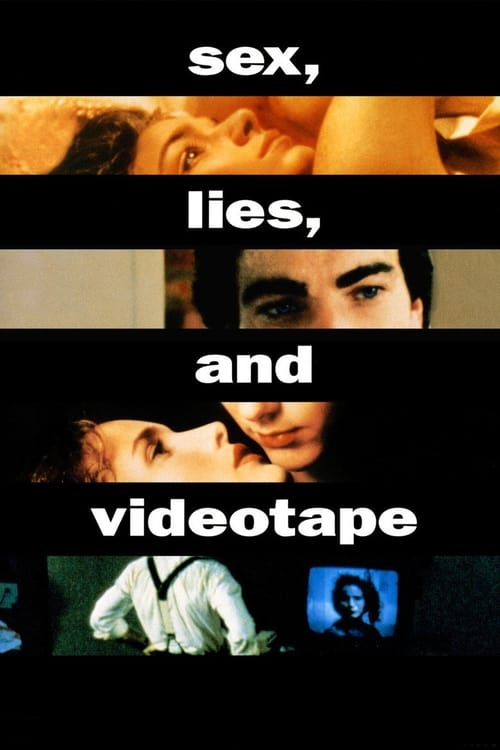
sex, lies, and videotape - Review
"sex, lies, and videotape": A Voyeuristic Masterpiece That Still Resonates
In 1989, Steven Soderbergh, a then-unknown director, unleashed a cinematic earthquake with "sex, lies, and videotape." This wasn't just another indie film; it was a seismic shift in independent cinema, a raw, intimate, and deeply unsettling exploration of sexuality, communication, and the corrosive power of secrets. More than three decades later, the film's impact remains palpable, its themes as relevant as ever. This review delves deep into the film's narrative, characters, and technical aspects, exploring why "sex, lies, and videotape" continues to captivate and provoke audiences.
Plot: A Web of Deception and Self-Discovery
The plot, deceptively simple on the surface, unfolds with the precision of a tightly wound clock. Ann (Andie MacDowell), a seemingly perfect housewife, is trapped in a loveless marriage with John (Peter Gallagher), a slick lawyer consumed by his own ego and infidelity. Unbeknownst to Ann, John is having an affair with her younger, more overtly sexual sister, Cynthia (Laura San Giacomo). The arrival of Graham (James Spader), John's estranged college friend, disrupts this already volatile dynamic. Graham, incapable of sexual intercourse, finds gratification in videotaping women as they candidly discuss their sexual experiences. His presence acts as a catalyst, forcing Ann to confront her own repressed desires and anxieties, John to acknowledge his moral failings, and Cynthia to question her own motivations.
The brilliance of the plot lies not in dramatic twists and turns, but in its subtle unraveling of the characters' inner lives. Soderbergh masterfully utilizes the videotape as a confessional, a tool that allows the women to express themselves in ways they are unable to in their everyday lives. The act of recording becomes a form of therapy, albeit an unconventional one, revealing vulnerabilities and truths that would otherwise remain hidden.
Characters: Flawed, Fascinating, and Fundamentally Human
The strength of "sex, lies, and videotape" resides in its meticulously crafted characters, each grappling with their own internal struggles and desires.
Ann (Andie MacDowell)
Ann is the film's emotional core. Initially presented as a prim and proper housewife, seemingly content with her suburban existence, Ann is slowly revealed to be deeply unhappy and sexually frustrated. MacDowell delivers a nuanced performance, portraying Ann's vulnerability and gradual awakening with remarkable subtlety. Her therapy sessions, initially focused on relieving stress, become a journey of self-discovery as she confronts her own inhibitions and begins to explore her suppressed desires. Ann's transformation from a passive observer to an active participant in her own life is one of the film's most compelling aspects.
John (Peter Gallagher)
John embodies the superficiality and moral bankruptcy of the yuppie generation. He is a successful lawyer, confident and charming on the surface, but deeply insecure and emotionally stunted beneath. Gallagher effectively portrays John's arrogance and casual cruelty, making him a thoroughly unlikeable, yet undeniably compelling character. His affair with Cynthia is not driven by passion, but by a need for validation and control. John's inability to connect with Ann on an emotional level highlights the emptiness at the heart of their marriage.
Cynthia (Laura San Giacomo)
Cynthia is the film's most overtly sexual character, a free-spirited artist who revels in her own sensuality. San Giacomo delivers a powerhouse performance, injecting Cynthia with a raw energy and vulnerability that belies her seemingly carefree exterior. While initially portrayed as a temptress, Cynthia is ultimately revealed to be just as lost and confused as the other characters, using sex as a means of seeking attention and validation. Her relationship with John is transactional, lacking genuine emotional connection.
Graham (James Spader)
Graham is the film's most enigmatic and controversial character. His inability to engage in traditional sexual intercourse and his reliance on videotaped confessions make him a voyeur in the truest sense of the word. Spader's performance is captivating, conveying Graham's awkwardness and vulnerability with remarkable sensitivity. While his behavior is undoubtedly unconventional, Graham is not presented as a predatory figure. Instead, he is a catalyst, a facilitator who allows the women to explore their own sexuality without judgment. His presence forces the other characters to confront their own inhibitions and desires, ultimately leading to their individual transformations.
Direction: Soderbergh's Masterful Debut
Soderbergh's direction is nothing short of masterful, especially considering this was his debut feature film. He creates a claustrophobic and intimate atmosphere, mirroring the emotional constraints of the characters. The film's deliberate pacing allows the tension to build gradually, culminating in a series of emotionally charged confrontations. Soderbergh's use of long takes and close-ups draws the viewer into the characters' inner lives, forcing us to confront their vulnerabilities and anxieties. He avoids sensationalism, instead focusing on the psychological complexities of the characters and their relationships. The film's naturalistic dialogue and understated performances further contribute to its sense of realism.
One of Soderbergh's most innovative choices was to use the videotape as a narrative device. The tapes not only reveal the women's sexual desires but also serve as a mirror, reflecting the characters' own insecurities and anxieties. The act of recording becomes a form of self-expression, allowing the women to articulate their thoughts and feelings in ways they are unable to in their everyday lives.
Cinematography: Intimacy and Restraint
The cinematography, by Walt Lloyd, is characterized by its intimacy and restraint. The film is shot primarily in close-ups, emphasizing the characters' facial expressions and body language. The use of natural lighting and muted colors creates a sense of realism, further immersing the viewer in the characters' world. The camera is often static, allowing the actors to carry the scene with their performances. This understated approach perfectly complements the film's psychological themes, drawing attention to the characters' inner lives rather than relying on flashy visuals.
The film's visual style is deliberately unglamorous, reflecting the characters' emotional turmoil. There are no sweeping landscapes or elaborate set pieces; instead, the focus is on the mundane details of everyday life, highlighting the contrast between the characters' outward appearances and their inner struggles.
Performances: A Showcase of Talent
The performances in "sex, lies, and videotape" are uniformly excellent. Each actor delivers a nuanced and believable portrayal of their character, bringing depth and complexity to their roles. Andie MacDowell's performance as Ann is particularly noteworthy, showcasing her range as an actress. She effectively conveys Ann's vulnerability and gradual awakening, making her a sympathetic and relatable character. Peter Gallagher is perfectly cast as the arrogant and emotionally stunted John, while Laura San Giacomo steals every scene she's in as the sexually liberated Cynthia. James Spader's performance as Graham is equally compelling, capturing the character's awkwardness and sensitivity with remarkable skill.
The chemistry between the actors is palpable, creating a believable dynamic between the characters. The intimate scenes are handled with sensitivity and respect, avoiding exploitation and focusing on the emotional connection between the characters.
Themes and Messages: Exploring Sexuality, Communication, and Isolation
"sex, lies, and videotape" explores a multitude of complex themes, including:
- Sexuality and Repression: The film challenges societal norms surrounding sexuality, exploring the ways in which women are often pressured to conform to certain expectations. Ann's repressed desires and anxieties are contrasted with Cynthia's more open expression of her sexuality, highlighting the complexities of female sexuality.
- Communication and Intimacy: The film emphasizes the importance of open and honest communication in relationships. Ann and John's marriage is characterized by a lack of genuine intimacy, leading to their eventual estrangement. The videotapes become a surrogate for genuine communication, allowing the women to express themselves in ways they are unable to in their everyday lives.
- Voyeurism and Objectification: The film raises questions about the ethics of voyeurism and the objectification of women. Graham's reliance on videotaped confessions is both intriguing and unsettling, forcing the viewer to confront their own voyeuristic tendencies.
- The Power of Confession: The act of confession is central to the film's narrative. The videotapes provide a safe space for the women to express their deepest fears and desires, leading to a sense of catharsis and self-discovery.
- Isolation and Loneliness: Despite their seemingly successful lives, the characters in "sex, lies, and videotape" are all deeply isolated and lonely. Their inability to connect with each other on an emotional level underscores the challenges of modern relationships.
Ultimately, the film suggests that genuine connection and intimacy require vulnerability, honesty, and a willingness to confront one's own insecurities.
Comparison to Other Films and Works
"sex, lies, and videotape" can be compared to other films that explore themes of sexuality, communication, and isolation, such as:
- "Carnal Knowledge" (1971): Mike Nichols' film also explores the complexities of male sexuality and the challenges of maintaining long-term relationships.
- "Last Tango in Paris" (1972): Bernardo Bertolucci's film delves into the raw and often brutal aspects of sexual relationships.
- "American Beauty" (1999): Sam Mendes' film explores the themes of suburban ennui, sexual frustration, and the search for meaning in a materialistic society.
Soderbergh's later works, such as "Erin Brockovich" and "Traffic," also explore themes of social justice and the corrupting influence of power, albeit in a more overtly political context. However, "sex, lies, and videotape" remains his most personal and intimate film, showcasing his ability to create compelling characters and explore complex themes with nuance and sensitivity.
Positive Aspects and Constructive Criticism
Positive Aspects:
- Compelling Characters: The characters are flawed, fascinating, and fundamentally human, making them relatable and engaging.
- Nuanced Performances: The actors deliver excellent performances, bringing depth and complexity to their roles.
- Masterful Direction: Soderbergh's direction is innovative and assured, creating a claustrophobic and intimate atmosphere.
- Thought-Provoking Themes: The film explores a multitude of complex themes, including sexuality, communication, and isolation.
- Lasting Impact: "sex, lies, and videotape" remains a relevant and thought-provoking film, more than three decades after its release.
Constructive Criticism:
- Pacing: The film's deliberate pacing may not appeal to all viewers, as it can feel slow at times.
- Limited Scope: The film's focus on a small group of characters and their intimate relationships may feel somewhat limited in scope.
- Graham's Character: Graham's character, while intriguing, may be difficult for some viewers to fully understand or empathize with. His voyeuristic tendencies could be interpreted in different ways, and some might find them off-putting.
Conclusion and Rating
"sex, lies, and videotape" is a groundbreaking film that continues to resonate with audiences today. Soderbergh's masterful direction, coupled with the exceptional performances of the cast, creates a raw, intimate, and deeply unsettling exploration of sexuality, communication, and the corrosive power of secrets. While the film's deliberate pacing and limited scope may not appeal to all viewers, its thought-provoking themes and compelling characters make it a must-see for anyone interested in independent cinema.
Rating: 9.5/10