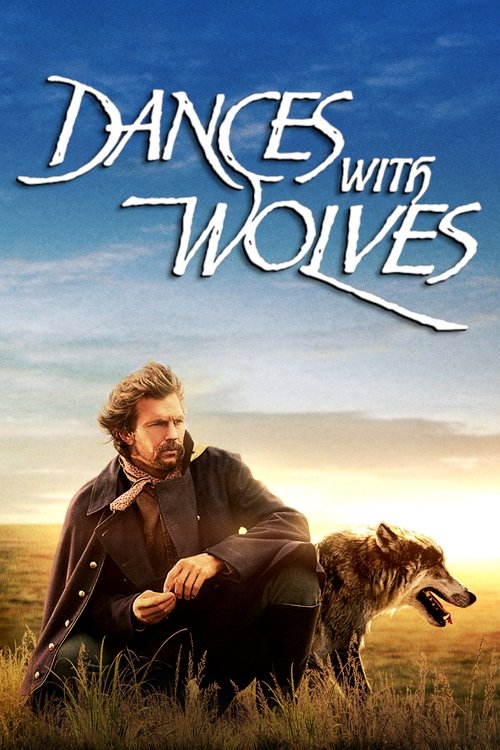
Dances with Wolves - Review
Dances with Wolves: A Timeless Epic of Understanding and Redemption
Kevin Costner's 1990 epic, Dances with Wolves, isn't just a Western; it's a profound meditation on cultural understanding, redemption, and the devastating consequences of unchecked expansionism. Released to critical acclaim and commercial success, winning seven Academy Awards including Best Picture and Best Director, the film remains a powerful and visually stunning cinematic experience. But does it hold up to the test of time? And does its well-intentioned portrayal of Native Americans truly avoid the pitfalls of its genre? This review delves deep into the heart of Dances with Wolves, exploring its strengths, weaknesses, and enduring legacy.
Plot Summary: A Journey from Despair to Belonging
The film opens during the American Civil War. Lieutenant John Dunbar, played by Costner himself, is a disillusioned soldier haunted by the senseless violence he witnesses. After a near-fatal wound and a desperate act of bravery that inadvertently wins the Union a crucial victory, Dunbar is granted his wish: to be stationed at a remote outpost on the Western frontier before it's officially closed down. He chooses Fort Sedgwick, a desolate and abandoned post in the vast, untouched plains of the Dakota Territory.
Initially, Dunbar is completely alone, his only companion a friendly but mischievous wolf he nicknames "Two Socks." He diligently records his observations in his journal, documenting the beauty and solitude of the landscape. However, his isolation is soon disrupted by the arrival of the Lakota Sioux tribe. Fear and misunderstanding initially dominate their interactions, but Dunbar, driven by curiosity and a genuine desire to understand, begins to learn their language and customs. He slowly earns their trust, bridging the cultural gap through acts of kindness and shared experiences.
Dunbar eventually integrates fully into the Sioux community, becoming known as "Dances with Wolves" – a name bestowed upon him after the tribe witnesses him frolicking with Two Socks. He falls in love with Stands With A Fist (Mary McDonnell), a white woman adopted by the Sioux after her family was murdered years earlier. He marries her and fully embraces the Lakota way of life, learning their hunting techniques, participating in their rituals, and fighting alongside them against their enemies, the Pawnee.
However, the encroaching presence of the U.S. Army threatens to shatter Dunbar's newfound paradise. When soldiers arrive at Fort Sedgwick, they represent the destruction of everything he has come to cherish. He is forced to make a difficult choice: to protect his Sioux family or to return to his former life and betray the people he now considers his own. Ultimately, Dunbar and Stands With A Fist decide to leave the tribe, hoping to draw the soldiers away and prevent further bloodshed. The film concludes with Dunbar and Stands With A Fist riding off into the unknown, leaving behind a poignant reminder of the tragic fate that awaited the Native American tribes.
Character Analysis: From Outsider to Insider
John Dunbar: Dunbar's transformation is the emotional core of the film. Initially, he is a man adrift, disillusioned with the violence and meaninglessness of war. His journey to the West is a search for purpose and meaning. Through his interactions with the Sioux, he discovers a sense of belonging and a connection to nature that he never experienced in his previous life. Costner's portrayal is nuanced, conveying both Dunbar's initial naiveté and his growing understanding and respect for the Lakota culture. His quiet determination and genuine empathy make him a compelling and relatable protagonist.
Stands With A Fist: Stands With A Fist is a bridge between two worlds. Having been raised by the Sioux after witnessing the brutal murder of her family, she understands both white culture and Lakota traditions. Mary McDonnell delivers a powerful and sensitive performance, portraying Stands With A Fist as a strong and independent woman who is fiercely loyal to her adopted family. Her relationship with Dunbar is based on mutual respect and understanding, and she plays a crucial role in helping him navigate the complexities of Sioux culture.
Kicking Bird: Kicking Bird, played by Graham Greene, is a wise and respected medicine man who becomes one of Dunbar's closest friends. He is initially cautious of Dunbar, but he recognizes his genuine desire to learn and understand. Kicking Bird serves as a mentor to Dunbar, teaching him the Lakota language, customs, and spiritual beliefs. Greene's performance is both dignified and humorous, bringing a warmth and humanity to the character.
Wind In His Hair: Wind In His Hair, played by Rodney A. Grant, is a fierce and proud warrior who initially distrusts Dunbar. However, he eventually comes to respect Dunbar's courage and his willingness to fight alongside the Sioux. Grant's portrayal is powerful and intense, capturing the warrior spirit of the Lakota people.
Two Socks: While not a human character, Two Socks, the wolf, plays a significant symbolic role in the film. He represents the wildness and freedom of the West, and his relationship with Dunbar symbolizes the connection between man and nature. The wolf's presence also highlights the harmony and balance that exists within the Sioux culture.
Direction and Cinematography: A Visual Masterpiece
Kevin Costner's directorial debut is nothing short of impressive. He demonstrates a clear vision and a masterful command of the cinematic language. The film's pacing is deliberate, allowing the story to unfold gradually and allowing the audience to immerse themselves in the world of the Lakota Sioux. Costner's direction is particularly effective in the scenes depicting the Sioux culture, showing respect and sensitivity in his portrayal of their traditions and beliefs.
Dean Semler's cinematography is breathtaking. He captures the vastness and beauty of the Dakota landscape with stunning clarity and detail. The film is filled with sweeping vistas, golden sunsets, and dramatic landscapes that serve as a powerful backdrop to the story. Semler's use of natural light and his ability to capture the changing seasons contribute to the film's overall sense of realism and authenticity. The battle sequences are also expertly filmed, conveying the brutality and chaos of warfare without resorting to excessive gore.
Themes and Messages: A Call for Understanding and Reconciliation
Dances with Wolves explores several important themes, including:
Cultural Understanding: The film's central theme is the importance of understanding and respecting different cultures. Dunbar's journey is a testament to the power of empathy and the ability to bridge cultural divides through communication and shared experiences. The film challenges viewers to question their own preconceived notions about other cultures and to embrace the diversity of human experience.
The Destruction of Native American Culture: The film serves as a powerful indictment of the U.S. government's policies towards Native Americans. It depicts the devastating consequences of westward expansion, including the destruction of Native American land, the forced assimilation of Native American children, and the systematic eradication of their culture. The film reminds us of the importance of acknowledging and learning from the injustices of the past.
The Connection Between Man and Nature: Dances with Wolves celebrates the importance of living in harmony with nature. The Sioux culture is depicted as being deeply connected to the land and the animals that inhabit it. Dunbar's transformation is partly due to his newfound appreciation for the natural world. The film suggests that by reconnecting with nature, we can find a greater sense of purpose and meaning in our lives.
Redemption and Forgiveness: Dunbar's journey is also a story of redemption. He begins the film as a disillusioned and suicidal soldier, but he finds a new purpose in life through his interactions with the Sioux. The film suggests that it is possible to overcome the mistakes of the past and to find forgiveness and healing through connection and understanding.
Performances: A Cast That Delivers
The performances in Dances with Wolves are universally strong. Kevin Costner delivers a compelling and nuanced performance as John Dunbar, capturing the character's transformation from outsider to insider. Mary McDonnell is equally impressive as Stands With A Fist, conveying the character's strength, intelligence, and vulnerability. Graham Greene and Rodney A. Grant provide memorable supporting performances as Kicking Bird and Wind In His Hair, respectively. The Lakota actors in the film, many of whom were non-professionals, bring a sense of authenticity and dignity to their roles. Their performances are particularly moving, conveying the pride and resilience of the Lakota people.
Comparison to Similar Films and Previous Works
Dances with Wolves can be compared to other Westerns that attempt to portray Native Americans with greater sensitivity and accuracy, such as Little Big Man (1970) and Soldier Blue (1970). However, Dances with Wolves is unique in its focus on the Lakota culture and its portrayal of the relationship between Dunbar and the Sioux as a genuine connection based on mutual respect and understanding.
Costner's previous work as an actor, particularly in films like Silverado (1985) and The Untouchables (1987), showcased his ability to portray strong and principled characters. However, Dances with Wolves marked a significant departure for him, both as an actor and as a director. The film demonstrated his ambition and his willingness to tackle complex and controversial themes.
Positive Aspects: A Landmark Achievement
Dances with Wolves is a visually stunning and emotionally powerful film that offers a nuanced and sympathetic portrayal of Native American culture. The film's cinematography is breathtaking, capturing the beauty and vastness of the American West. The performances are universally strong, and the story is both engaging and thought-provoking. The film's message of cultural understanding and reconciliation is as relevant today as it was when it was first released. The film's impact on the representation of Native Americans in cinema cannot be overstated. It paved the way for more accurate and respectful portrayals of Native American culture in subsequent films and television shows.
Constructive Criticism: Addressing the Film's Shortcomings
While Dances with Wolves is a landmark achievement, it is not without its flaws. One common criticism is that the film perpetuates the "white savior" trope, with Dunbar ultimately being the catalyst for positive change within the Sioux community. While Dunbar certainly plays a significant role in the story, it is important to remember that the Sioux are not portrayed as passive victims. They are strong, resourceful, and resilient people who are capable of defending themselves and their culture.
Another criticism is that the film romanticizes Native American culture, presenting an idealized version of their way of life. While the film does celebrate the beauty and harmony of Sioux culture, it also acknowledges the hardships and challenges they faced. The film does not shy away from depicting the violence and conflict that existed between different tribes and between the Sioux and the U.S. Army.
Finally, some critics have argued that the film's length (the extended cut runs over three hours) can be a barrier to entry for some viewers. While the film's pacing is deliberate, it is necessary to allow the story to unfold gradually and to allow the audience to immerse themselves in the world of the Lakota Sioux.
Conclusion and Rating
Despite its flaws, Dances with Wolves remains a powerful and important film that deserves to be seen and discussed. It is a visually stunning and emotionally resonant story that explores themes of cultural understanding, redemption, and the devastating consequences of unchecked expansionism. While the "white savior" narrative and some elements of romanticization are valid criticisms, the film's overall impact on the representation of Native Americans in cinema is undeniable. Dances with Wolves is a film that challenges viewers to question their own preconceptions and to embrace the diversity of human experience. It is a film that will stay with you long after the credits have rolled.
Rating: 9/10