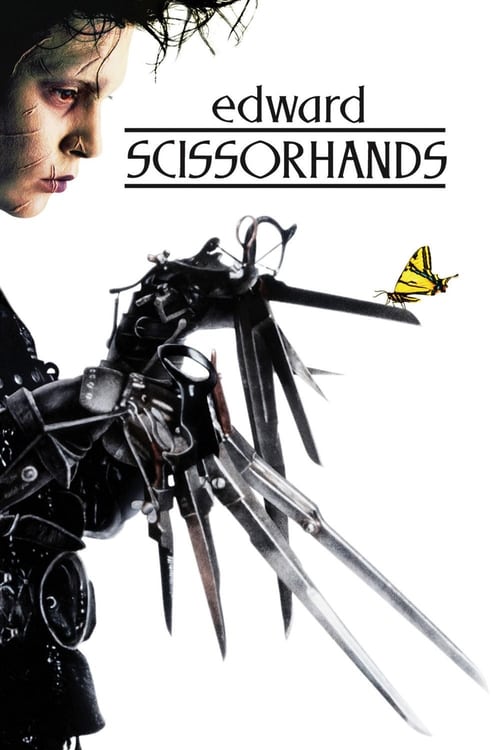
Edward Scissorhands - Review
Edward Scissorhands: A Timeless Gothic Fairytale in Suburbia
Tim Burton's Edward Scissorhands, released in 1990, isn't just a film; it's a hauntingly beautiful poem painted on celluloid. It's a gothic fairy tale transplanted into the pastel-colored conformity of suburbia, a clash of worlds that sparks both wonder and profound melancholy. More than three decades later, the film's poignant message about acceptance, otherness, and the destructive power of fear continues to resonate, solidifying its place as a modern classic. This review delves into the film's intricate layers, exploring its captivating plot, memorable characters, masterful direction, stunning cinematography, and the lasting impact of its thematic resonance.
Plot: A Gentle Soul in a World of Sharp Edges
The narrative unfolds with Peg Boggs (Dianne Wiest), an Avon saleswoman, venturing into a dilapidated gothic mansion perched on a hill overlooking her idyllic suburban neighborhood. Inside, she discovers Edward (Johnny Depp), a gentle, unfinished creation of a deceased inventor (Vincent Price). Edward possesses a heart of gold but lacks human hands, instead bearing sharp, scissor-like blades. Peg, moved by his innocence and vulnerability, takes him home, introducing him to the vibrant, yet ultimately superficial, world of her suburban community.
Initially, Edward is embraced as a novelty. His unique scissor-hands prove surprisingly adept at topiary, hairstyling, and even ice sculpting, making him a local sensation. However, as Edward navigates the complexities of human relationships and desires, his inherent otherness becomes a source of fear and suspicion. He falls deeply in love with Peg's teenage daughter, Kim (Winona Ryder), a relationship fraught with unspoken desires and the chasm of their different worlds. Misunderstandings and the town's inherent prejudices escalate, leading to Edward's tragic ostracization and eventual retreat back to his lonely mansion.
The plot cleverly uses the framework of a fairy tale, complete with a lonely protagonist, a beautiful princess, and a lurking sense of danger. However, Burton subverts the traditional happy ending, opting for a more bittersweet and realistic conclusion, highlighting the enduring power of memory and the enduring scars of prejudice.
Characters: Heartbreak and Hypocrisy
The film's characters are richly drawn, representing a spectrum of human nature, from genuine kindness to blatant hypocrisy.
Edward Scissorhands (Johnny Depp)
Depp's portrayal of Edward is nothing short of iconic. He embodies innocence, vulnerability, and artistic genius. Edward's inability to express himself verbally is compensated by his expressive eyes and the delicate precision of his scissor-hands. He is a blank canvas onto which the townspeople project their desires and fears. Depp masterfully conveys Edward's inner turmoil as he struggles to understand and navigate the complexities of human interaction.
Peg Boggs (Dianne Wiest)
Peg is the embodiment of suburban kindness and naiveté. She is genuinely compassionate and sees the good in Edward, even when others are blinded by fear. Wiest delivers a nuanced performance, portraying Peg's unwavering belief in Edward's inherent goodness, even as the town turns against him.
Kim Boggs (Winona Ryder)
Kim undergoes a significant transformation throughout the film. Initially skeptical and somewhat disdainful of Edward, she gradually recognizes his gentle nature and falls in love with him. Ryder effectively portrays Kim's internal conflict as she grapples with her feelings for Edward and the societal pressures that condemn their relationship.
Jim (Anthony Michael Hall)
Jim, Kim's boyfriend, represents the embodiment of toxic masculinity and small-town prejudice. He is jealous, possessive, and ultimately responsible for Edward's downfall. Hall effectively portrays Jim's simmering resentment and his willingness to exploit Edward for his own gain.
Joyce Monroe (Kathy Baker)
Joyce is the quintessential suburban seductress, driven by lust and a desperate need for attention. She represents the superficiality and underlying desperation of the suburban community. Baker's performance is both comedic and unsettling, highlighting the dangers of unchecked desires.
The Inventor (Vincent Price)
Although only appearing briefly in flashbacks, the Inventor plays a crucial role in shaping Edward's character. He represents creativity, compassion, and the potential for human connection. Price's presence adds a touch of gothic grandeur to the film, reminding us of the origins of Edward's unique existence.
Direction: Burton's Signature Style
Tim Burton's direction is the driving force behind Edward Scissorhands' enduring appeal. He masterfully blends gothic elements with suburban satire, creating a visually stunning and emotionally resonant film. His signature style, characterized by exaggerated sets, whimsical costumes, and a melancholic atmosphere, is perfectly suited to the film's themes.
Burton's use of contrast is particularly effective. The stark, gothic mansion perched on the hill stands in stark contrast to the pastel-colored conformity of the suburban neighborhood below. This visual dichotomy highlights the film's central theme of otherness and the clash between individuality and conformity.
Furthermore, Burton's ability to elicit nuanced performances from his actors is remarkable. He allows Depp to convey Edward's emotions through subtle gestures and expressions, creating a character that is both endearing and heartbreaking. He also skillfully guides the supporting cast, allowing them to embody the complexities and contradictions of their respective roles.
Cinematography: A Visual Feast
Stefan Czapsky's cinematography is a crucial element in establishing the film's unique atmosphere. The film is visually striking, with a color palette that ranges from the vibrant hues of the suburban neighborhood to the muted tones of Edward's mansion. The contrast between these two visual worlds underscores the film's thematic concerns.
Czapsky's use of lighting is particularly effective. He employs chiaroscuro lighting to create a sense of mystery and foreboding in the scenes set in Edward's mansion. In contrast, the suburban scenes are brightly lit, reflecting the artificiality and superficiality of that environment.
The camera work is also noteworthy. Czapsky frequently uses wide shots to emphasize the vastness of the suburban landscape, highlighting the sense of isolation and conformity. Close-ups are used to capture Edward's emotions, allowing the audience to connect with his inner world.
Performances: A Stellar Ensemble
The performances in Edward Scissorhands are uniformly excellent. Johnny Depp's portrayal of Edward is a career-defining performance, showcasing his versatility and ability to embody complex and unconventional characters. Winona Ryder delivers a nuanced performance as Kim, capturing her character's emotional journey with sensitivity and depth. Dianne Wiest is perfectly cast as Peg, embodying the warmth and compassion that define her character.
The supporting cast is equally impressive. Anthony Michael Hall is chillingly effective as Jim, the embodiment of small-town prejudice. Kathy Baker delivers a memorable performance as Joyce, the desperate and manipulative suburban seductress. Alan Arkin provides a touch of grounded realism as Bill Boggs, Peg's husband.
Even Vincent Price, in his brief but memorable appearance, adds a touch of gothic grandeur to the film. His presence serves as a reminder of Edward's origins and the tragic circumstances that shaped his life.
Themes and Messages: Acceptance, Otherness, and the Power of Fear
Edward Scissorhands is a film rich in thematic resonance. It explores the themes of acceptance, otherness, and the destructive power of fear. The film argues that true beauty lies within, and that judging others based on their appearance or perceived differences is ultimately destructive.
The film also critiques the conformity and superficiality of suburban culture. The pastel-colored houses and manicured lawns represent a world obsessed with appearances, where individuality is suppressed and difference is viewed with suspicion. Edward's arrival disrupts this artificial harmony, exposing the underlying prejudices and insecurities of the community.
Furthermore, the film explores the power of art and creativity. Edward's scissor-hands allow him to create beautiful sculptures, hairstyles, and ice carvings. His art brings joy and wonder to the community, but it also makes him a target of envy and resentment.
Ultimately, Edward Scissorhands is a cautionary tale about the dangers of intolerance and the importance of embracing individuality. It reminds us that true beauty lies in the unique qualities that make each of us different, and that judging others based on appearances can lead to tragic consequences.
Comparison to Other Films/Works
Edward Scissorhands shares thematic similarities with other films exploring themes of otherness and societal acceptance, such as Frankenstein and The Elephant Man. Like these films, Edward Scissorhands presents a sympathetic portrayal of a misunderstood outsider who is ultimately rejected by society.
Within Tim Burton's filmography, Edward Scissorhands can be seen as a precursor to later works such as Big Fish and Miss Peregrine's Home for Peculiar Children. These films also explore themes of fantasy, imagination, and the importance of embracing individuality. Furthermore, Edward Scissorhands solidified Burton's signature style, characterized by gothic aesthetics, whimsical characters, and a melancholic tone.
Johnny Depp's performance in Edward Scissorhands marked a turning point in his career, establishing him as a versatile and unconventional actor. He would go on to collaborate with Tim Burton on several other films, including Ed Wood, Sleepy Hollow, and Charlie and the Chocolate Factory, further solidifying their creative partnership.
Positive Aspects
- Visually Stunning: The film's cinematography and production design are breathtaking, creating a unique and unforgettable visual experience.
- Heartfelt Performances: The actors deliver exceptional performances, bringing the characters to life with depth and nuance.
- Thematic Resonance: The film's themes of acceptance, otherness, and the power of fear remain relevant and thought-provoking.
- Tim Burton's Signature Style: The film showcases Burton's unique directorial vision, blending gothic elements with suburban satire in a masterful way.
- Memorable Score: Danny Elfman's score is hauntingly beautiful, perfectly complementing the film's emotional tone.
Constructive Criticism
- Pacing: The film's pacing can feel uneven at times, with some scenes lingering longer than necessary.
- Simplistic Characterizations: While the main characters are well-developed, some of the supporting characters are portrayed as caricatures, lacking depth and nuance.
- Predictable Plot Points: While the film is emotionally resonant, some of the plot points are predictable, particularly in the third act.
Conclusion
Edward Scissorhands is a timeless masterpiece that continues to captivate audiences with its haunting beauty and poignant message. Tim Burton's masterful direction, coupled with stellar performances and stunning visuals, creates a film that is both entertaining and thought-provoking. While the film has minor flaws, its overall impact is undeniable. It's a film that stays with you long after the credits roll, prompting reflection on the nature of acceptance, the dangers of prejudice, and the enduring power of love.
Rating: 9.5/10