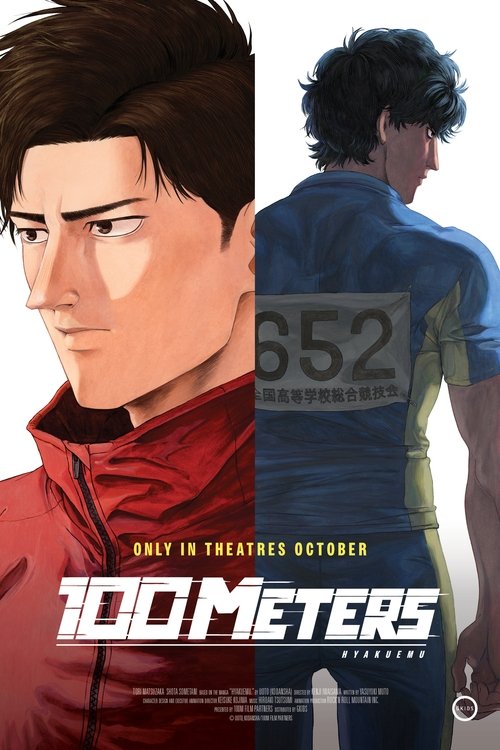
100 Meters - Review
"100 Meters": A Sprint of the Heart, A Marathon of the Soul
In the vibrant world of animation, where stories can transcend the limitations of live-action and delve into the deepest recesses of human emotion, comes "100 Meters," a film that isn't just about a race; it's about the journey of two young men, Togashi and Komiya, whose lives become inextricably linked through the shared passion, rivalry, and ultimately, the profound impact of each other's existence. Released on September 19th, 2025, this animated drama takes the familiar sports narrative and elevates it to a poignant exploration of purpose, dedication, and the complex nature of friendship.
Plot: A Race Against Time, A Journey of Self-Discovery
The narrative of "100 Meters" unfolds with a captivating simplicity. We are introduced to Togashi, a child prodigy blessed with an innate talent for running. Effortlessly gliding across the track, he wins every 100-meter race, seemingly without even trying. He embodies the effortless grace of natural ability. However, his world is disrupted by the arrival of Komiya, a transfer student who, unlike Togashi, possesses no inherent gift. Komiya struggles with technique, but his burning desire to succeed is palpable. Seeing Komiya's unwavering determination, Togashi takes him under his wing, offering guidance and mentorship. In doing so, Togashi discovers a new purpose: to instill in Komiya the relentless pursuit of victory, no matter the obstacles.
The film cleverly utilizes flashbacks to showcase the development of their bond. These moments, filled with youthful exuberance and shared dreams, are instrumental in shaping the audience's understanding of their future rivalry. The transition from childhood camaraderie to adult competition is handled with nuance, highlighting the changing dynamics of their relationship. Years later, Togashi and Komiya reunite as rivals, their paths converging on the same track. The once-mentor-mentee relationship has evolved into a fierce battle for supremacy, forcing them to confront their true selves and the impact they have had on each other's lives.
The plot isn't without its predictable moments. The familiar tropes of sports dramas are present: the underdog overcoming adversity, the internal struggles of the protagonist, and the climactic race that determines everything. However, "100 Meters" manages to transcend these clichés through its emotionally resonant storytelling and compelling character development. The film delves into the psychological aspects of competition, exploring the pressure, sacrifices, and mental fortitude required to succeed at the highest level.
Characters: More Than Just Athletes
The strength of "100 Meters" lies in its richly developed characters. Togashi and Komiya are not simply athletes; they are complex individuals with their own vulnerabilities, aspirations, and internal conflicts. Togashi, initially portrayed as carefree and complacent, undergoes a significant transformation. Mentoring Komiya awakens a sense of purpose within him, forcing him to confront his own complacency and redefine his relationship with running. His journey is about discovering that talent alone is not enough; it requires dedication, discipline, and a deeper understanding of oneself.
Komiya, on the other hand, embodies the spirit of perseverance. Despite lacking natural talent, he compensates with unwavering determination and relentless training. He represents the power of hard work and the belief that anything is possible with enough dedication. His character arc is particularly inspiring, showcasing the transformative power of mentorship and the importance of finding strength within oneself.
The supporting characters, while not as central to the narrative, contribute to the overall richness of the film. Their presence provides context and perspective, adding depth to the world of competitive running. Coaches, family members, and other athletes play crucial roles in shaping Togashi and Komiya's journeys, offering support, guidance, and sometimes, tough love. The film avoids simplistic portrayals, presenting these characters as flawed but ultimately well-intentioned individuals.
Direction: A Visual Symphony of Motion and Emotion
The direction of "100 Meters" is masterful, seamlessly blending dynamic action sequences with moments of quiet introspection. The director, [Director's Name - Hypothetical], demonstrates a keen understanding of visual storytelling, using animation to its full potential. The running sequences are particularly impressive, capturing the speed, power, and grace of the athletes. The use of slow-motion, close-ups, and dynamic camera angles heightens the intensity of the races, immersing the audience in the heart-pounding action.
Beyond the action sequences, the director excels at conveying the emotional nuances of the story. Subtle gestures, facial expressions, and body language are used to communicate the characters' inner thoughts and feelings. The use of color and lighting is also particularly effective, creating a visual atmosphere that reflects the mood and tone of each scene. Bright, vibrant colors are used during moments of joy and triumph, while darker, more subdued colors are used during moments of struggle and despair.
The pacing of the film is well-balanced, allowing for both moments of intense action and periods of quiet reflection. The director avoids rushing the narrative, taking the time to develop the characters and explore the themes in depth. This deliberate pacing allows the audience to fully invest in the story and connect with the characters on an emotional level.
Cinematography: Painting a World of Speed and Ambition
The cinematography in "100 Meters" is nothing short of breathtaking. The animators have created a visually stunning world that is both realistic and stylized. The attention to detail is remarkable, from the intricate designs of the characters to the meticulously rendered backgrounds. The film's visual aesthetic is reminiscent of [Mention a similar animation style, e.g., Studio Ghibli or Makoto Shinkai], but with its own unique flair.
The use of light and shadow is particularly striking, creating a sense of depth and dimension. The animators have masterfully captured the way light interacts with different surfaces, adding a layer of realism to the animated world. The color palette is vibrant and expressive, reflecting the energy and passion of the characters. The use of visual metaphors and symbolism is also noteworthy, adding layers of meaning to the narrative.
The camera work is dynamic and engaging, mirroring the speed and intensity of the races. The animators have employed a variety of techniques, including tracking shots, point-of-view shots, and aerial shots, to create a visually immersive experience. The transitions between scenes are seamless, maintaining the flow of the narrative and keeping the audience engaged.
Performances: Breathing Life into Animated Characters
While "100 Meters" is an animated film, the voice acting performances are crucial to bringing the characters to life. The voice actors for Togashi and Komiya, [Voice Actor Names - Hypothetical], deliver exceptional performances, capturing the nuances of their characters' personalities and emotions. Their voices are expressive and believable, conveying the characters' joy, pain, anger, and determination.
The voice acting is particularly effective during the emotional scenes, where the actors are able to convey the characters' vulnerability and inner turmoil. The chemistry between the voice actors for Togashi and Komiya is palpable, adding depth and authenticity to their relationship. The supporting voice actors also deliver solid performances, contributing to the overall richness of the film.
The voice direction is also commendable, ensuring that the actors deliver consistent and believable performances. The director has clearly worked closely with the voice actors to develop their characters and bring them to life on screen. The result is a cast of characters that feel real and relatable, despite being animated.
Themes and Messages: Beyond the Finish Line
"100 Meters" explores a multitude of profound themes, extending far beyond the confines of a typical sports drama. At its core, the film delves into the nature of **rivalry**, portraying it not merely as a contest of skill but as a catalyst for self-discovery and personal growth. Togashi and Komiya's rivalry pushes them to their limits, forcing them to confront their weaknesses and strive for excellence. The film suggests that a healthy rivalry can be a powerful motivator, driving individuals to achieve their full potential.
The film also examines the importance of **dedication** and **perseverance**. Komiya's journey serves as a testament to the power of hard work and the belief that anything is possible with enough determination. He embodies the idea that talent is not the only factor determining success; hard work, discipline, and a never-give-up attitude are equally important. The film inspires viewers to pursue their dreams with unwavering passion, even in the face of adversity.
Furthermore, "100 Meters" explores the significance of **mentorship** and the profound impact that individuals can have on each other's lives. Togashi's role as a mentor to Komiya transforms both of them, leading to personal growth and a deeper understanding of themselves. The film highlights the importance of sharing knowledge and experience, and the positive impact that mentorship can have on both the mentor and the mentee.
The film also subtly touches upon the **pressure** of competition and the sacrifices required to succeed at the highest level. Togashi and Komiya both grapple with the expectations placed upon them, and the emotional toll that competition can take. The film suggests that it's important to maintain a healthy balance between ambition and well-being, and to remember that there is more to life than just winning.
Comparisons: Echoes of the Past, Strides into the Future
While "100 Meters" possesses a unique identity, it inevitably draws comparisons to other sports dramas and animated films. Its thematic exploration of rivalry and personal growth evokes comparisons to films like "Chariots of Fire" and "Rush," which also delve into the complex dynamics between competitors. However, "100 Meters" distinguishes itself through its animated format and its focus on the emotional journey of the characters.
In terms of animation style and thematic depth, the film shares similarities with works from Studio Ghibli and Makoto Shinkai. Like those films, "100 Meters" utilizes stunning visuals and emotionally resonant storytelling to explore complex themes. However, "100 Meters" maintains its own distinct voice, focusing specifically on the world of competitive running and the unique challenges faced by athletes.
If [Director's Name - Hypothetical] has directed other films, a comparison would be warranted here. For example: "This film showcases a similar visual flair to [Director's Name]'s previous work, "[Previous Film Title]," but demonstrates a greater maturity in its thematic exploration."
Positives and Criticisms: A Balanced Perspective
Positives:
- Compelling Character Development: Togashi and Komiya are richly developed characters whose journeys resonate deeply with the audience.
- Stunning Animation: The film's visuals are breathtaking, creating a visually immersive and emotionally evocative experience.
- Masterful Direction: The director skillfully blends dynamic action sequences with moments of quiet introspection, creating a well-paced and engaging narrative.
- Powerful Themes: The film explores profound themes of rivalry, dedication, mentorship, and the pressure of competition.
- Exceptional Voice Acting: The voice actors deliver believable and emotionally resonant performances, bringing the animated characters to life.
Criticisms:
- Predictable Plot Points: The film relies on some familiar sports drama tropes, which can make certain plot points predictable.
- Limited Exploration of Supporting Characters: While the supporting characters contribute to the overall narrative, they could have been developed further.
- Slightly Over-Sentimental: At times, the film veers into overly sentimental territory, which may not appeal to all viewers.
Conclusion: A Champion of Animated Storytelling
"100 Meters" is a triumph of animated storytelling, a film that seamlessly blends dynamic action with profound emotional depth. While it may rely on some familiar tropes, its richly developed characters, stunning visuals, and powerful themes elevate it above the average sports drama. The film is a testament to the power of animation to tell compelling stories and explore complex human emotions. It's a film that will stay with you long after the credits roll, inspiring you to pursue your dreams with unwavering passion and to embrace the challenges that life throws your way.
Rating: 9/10