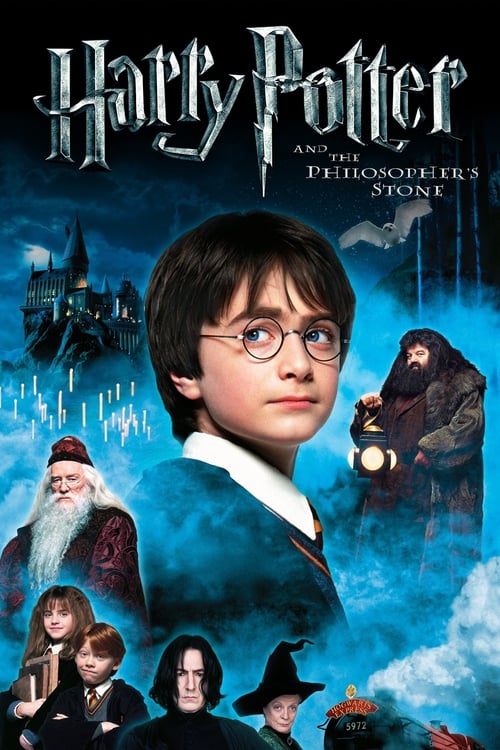
Harry Potter and the Philosopher's Stone - Review
A Boy Who Lived, A World Transformed: A Review of Harry Potter and the Philosopher's Stone
The year was 2001. The world was still grappling with the anxieties of a new millennium, and the magic we craved felt increasingly elusive. Then, a boy with a lightning bolt scar arrived, riding on a broomstick, and everything changed. Harry Potter and the Philosopher's Stone wasn't just a movie; it was a cultural phenomenon, a portal to a world brimming with wonder, danger, and the enduring power of friendship. More than two decades later, how does this cinematic cornerstone hold up? Let's delve into the depths of Hogwarts and uncover the magic within.
Plot: A Faithful Adaptation, A Compelling Journey
The film meticulously adapts the first book in J.K. Rowling's beloved series, a feat that initially caused apprehension amongst ardent fans. Would it capture the essence of the source material? The answer, overwhelmingly, is yes. The narrative follows Harry Potter, an orphaned boy living a miserable existence with his cruel Aunt Petunia, Uncle Vernon, and cousin Dudley. On his eleventh birthday, Harry discovers he's a wizard and is invited to attend Hogwarts School of Witchcraft and Wizardry.
At Hogwarts, Harry is quickly thrust into a world of spells, potions, Quidditch, and new friendships. He befriends Ron Weasley, a loyal and humorous member of a large wizarding family, and Hermione Granger, a brilliant and fiercely intelligent witch. Together, they navigate the challenges of first year, facing daunting teachers like the stern Professor Snape and the eccentric Professor Quirrell. As they learn the ways of magic, they uncover a plot to steal the Philosopher's Stone, a legendary object that grants immortality. Their investigation leads them on a perilous quest to protect the stone from falling into the wrong hands, ultimately confronting the resurrected Lord Voldemort.
The plot's strength lies in its simplicity and its ability to introduce the audience to the wizarding world gradually. Each new element, from the sorting hat to the flying lessons, is presented with a sense of wonder and excitement, drawing the viewer deeper into the narrative. The pacing is generally well-managed, though the final act feels slightly rushed, compressing several key plot points into a shorter timeframe.
Characters: Bringing Literary Icons to Life
Casting the right actors to embody such iconic characters was crucial to the film's success. Chris Columbus and his team delivered remarkably, assembling a cast that felt perfectly suited to their roles.
Harry Potter (Daniel Radcliffe)
Daniel Radcliffe, making his film debut, embodies Harry's innocence, vulnerability, and growing courage. While his acting is understandably raw in places, he captures the essence of the character – a boy burdened by a mysterious past, grappling with newfound fame, and discovering his own strength. His expressions of awe and determination are particularly effective.
Ron Weasley (Rupert Grint)
Rupert Grint shines as Ron Weasley, providing much of the film's comedic relief. He perfectly captures Ron's loyalty, insecurity, and underlying bravery. Grint's natural comedic timing and expressive face make him an instant favorite.
Hermione Granger (Emma Watson)
Emma Watson delivers a standout performance as Hermione Granger, the intelligent and resourceful witch. She embodies Hermione's bookishness and unwavering determination, while also showcasing her vulnerability and growing confidence. Her portrayal is both endearing and inspiring.
Albus Dumbledore (Richard Harris)
Richard Harris brings a gentle wisdom and enigmatic presence to the role of Albus Dumbledore, the headmaster of Hogwarts. His portrayal is both comforting and subtly powerful, capturing the essence of Dumbledore's complex character.
Severus Snape (Alan Rickman)
Alan Rickman's portrayal of Severus Snape is a masterclass in subtle villainy. His deep voice, brooding demeanor, and ambiguous motivations create a character that is both menacing and strangely compelling. Rickman's performance hints at a hidden depth that keeps the audience guessing about Snape's true allegiance.
Lord Voldemort (Richard Bremmer, voiced by Ian Hart)
While Voldemort's appearance is limited in this film, his presence is felt throughout. The chilling whispers and glimpses of his face are enough to establish him as a formidable and terrifying antagonist. Ian Hart's voice adds to the character's menacing aura.
The supporting cast is equally strong, featuring memorable performances from Robbie Coltrane as the gentle giant Hagrid, Maggie Smith as the stern but fair Professor McGonagall, and Tom Felton as the sneering Draco Malfoy. Each actor contributes to the rich tapestry of characters that populate the wizarding world.
Direction: Faithfulness and Family-Friendly Tone
Chris Columbus, known for his work on family-friendly films like Home Alone and Mrs. Doubtfire, was chosen to direct Harry Potter and the Philosopher's Stone. His direction prioritizes faithfulness to the source material and creating a magical atmosphere that appeals to a wide audience. Columbus successfully captures the wonder and excitement of discovering the wizarding world through Harry's eyes. He emphasizes the fantastical elements of the story, creating visually stunning scenes that bring the book's descriptions to life.
However, Columbus's direction also has its limitations. While he excels at creating a lighthearted and whimsical tone, he sometimes struggles to capture the darker and more complex aspects of the story. The film's climax, while visually impressive, lacks the emotional weight and tension that it possesses in the book. Columbus's approach is perhaps too safe, prioritizing accessibility over depth. Some might argue that a director with a more distinct visual style or a greater willingness to take risks could have elevated the film to even greater heights.
Cinematography: A Visual Feast of Magic
The cinematography, helmed by John Seale, is a crucial element in bringing the wizarding world to life. Seale's use of vibrant colors, sweeping camera movements, and stunning visual effects creates a visually immersive experience. Hogwarts is depicted as a grand and imposing castle, filled with hidden passages and secret chambers. The Quidditch matches are thrilling and dynamic, showcasing the excitement and spectacle of the sport. The film's visual effects, while somewhat dated by today's standards, were groundbreaking at the time and still hold up remarkably well. From the flying keys to the troll in the dungeon, the visual effects enhance the sense of wonder and magic that permeates the film.
The use of light and shadow is also particularly effective, creating a sense of mystery and intrigue. The darker scenes, such as those in the Forbidden Forest or the dungeons, are bathed in shadows, adding to the suspense and danger. The brighter scenes, such as those in the Great Hall or the Gryffindor common room, are filled with warmth and light, creating a sense of community and belonging.
Performances: A Stellar Ensemble Cast
As mentioned previously, the performances in Harry Potter and the Philosopher's Stone are a major strength of the film. The young actors, particularly Daniel Radcliffe, Rupert Grint, and Emma Watson, deliver charming and believable performances that capture the essence of their characters. The veteran actors, such as Richard Harris, Alan Rickman, and Maggie Smith, bring a wealth of experience and gravitas to their roles, elevating the film to another level. The ensemble cast works together seamlessly, creating a believable and engaging world of wizards and witches.
While Radcliffe's performance is sometimes criticized for being stiff or wooden, it's important to remember that he was just a young boy making his film debut. His performance grows stronger as the series progresses, and he ultimately becomes synonymous with the character of Harry Potter. Grint and Watson, on the other hand, deliver consistently strong performances throughout the series, and their chemistry with Radcliffe is undeniable.
Themes and Messages: Friendship, Courage, and the Power of Choice
Harry Potter and the Philosopher's Stone explores several important themes, including friendship, courage, and the power of choice. The film emphasizes the importance of loyalty, trust, and standing up for what is right. Harry, Ron, and Hermione's friendship is the heart of the story, and their unwavering support for each other helps them overcome numerous obstacles. The film also celebrates courage in the face of adversity. Harry, Ron, and Hermione repeatedly put themselves in danger to protect the Philosopher's Stone and to stand up to Lord Voldemort.
The film also highlights the importance of choice. Dumbledore emphasizes that it is our choices that define us, not our abilities. Harry's decision to protect the Philosopher's Stone, even at great personal risk, demonstrates his courage and his commitment to doing what is right. The film also explores the theme of good versus evil, showing that even in the darkest of times, there is always hope for redemption.
Comparison to Other Films and Works
Harry Potter and the Philosopher's Stone can be compared to other coming-of-age fantasy films, such as The Chronicles of Narnia: The Lion, the Witch and the Wardrobe and The Lord of the Rings: The Fellowship of the Ring. Like these films, Harry Potter transports the audience to a fantastical world filled with magic and adventure. However, Harry Potter distinguishes itself through its focus on the everyday lives of its characters and its exploration of themes that resonate with young audiences.
Compared to later films in the *Harry Potter* series, *The Philosopher's Stone* is arguably more lighthearted and whimsical. As the series progresses, the films become darker and more complex, reflecting the growing maturity of the characters and the increasing stakes of the conflict with Lord Voldemort. Chris Columbus's direction is also noticeably different from that of later directors, such as Alfonso Cuarón and David Yates, who brought a more distinct visual style and a greater willingness to take risks.
Positive Aspects
- Faithful adaptation of the beloved book.
- Strong performances from the ensemble cast.
- Visually stunning cinematography and special effects.
- Memorable musical score by John Williams.
- Exploration of important themes such as friendship, courage, and the power of choice.
- Successfully introduces the audience to the wizarding world.
Constructive Criticism
- The final act feels somewhat rushed.
- Chris Columbus's direction is perhaps too safe and family-friendly.
- Some of the visual effects are dated by today's standards.
- Daniel Radcliffe's performance is initially somewhat stiff.
Conclusion
Harry Potter and the Philosopher's Stone is a magical and enchanting film that successfully brings J.K. Rowling's beloved book to life. While it may not be perfect, its strengths far outweigh its weaknesses. The film's strong performances, visually stunning cinematography, and exploration of important themes make it a timeless classic that continues to captivate audiences of all ages. It's a film that sparked a global phenomenon and introduced a generation to the joys of reading and the power of imagination. Despite some minor flaws, *Harry Potter and the Philosopher's Stone* remains a cornerstone of modern fantasy cinema, a testament to the enduring appeal of a boy who lived and the magic he brought to the world.