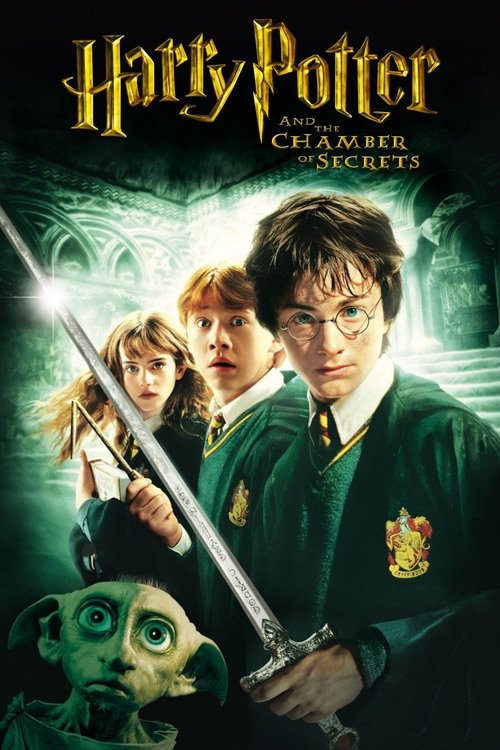
Harry Potter and the Chamber of Secrets - Review
Harry Potter and the Chamber of Secrets: A Deeper Dive into Darkness
The whisper of secrets, the hiss of a serpent, and the looming shadow of a dark past – Harry Potter and the Chamber of Secrets, the second installment in the beloved film franchise, arrived on screens in 2002, promising a darker, more complex adventure than its predecessor. While the first film introduced us to the magical world and its inhabitants, Chamber of Secrets plunges us headfirst into a mystery that threatens the very foundation of Hogwarts. More than just a children's film, it's a coming-of-age story steeped in prejudice, fear, and the enduring power of friendship. But does this second year at Hogwarts truly live up to the magic and mystery it promises?
Plot: Unraveling the Serpent's Legacy
The film picks up with Harry (Daniel Radcliffe) spending a miserable summer with the Dursleys, his only solace the occasional letter from Ron Weasley (Rupert Grint) and Hermione Granger (Emma Watson). His escape from this mundane prison comes in the form of Ron and his brothers, Fred and George, who whisk him away in their father’s enchanted Ford Anglia. This daring rescue sets the stage for a year filled with rule-breaking, danger, and a growing sense of unease at Hogwarts.
The central mystery revolves around the titular Chamber of Secrets, a hidden room within the castle rumored to have been built by Salazar Slytherin, one of the school's founders. When cryptic messages begin appearing on the walls, accompanied by the petrification of students and animals, fear grips the school. The messages warn of a monster unleashed within the Chamber, a creature capable of killing Muggle-born students. Panic ensues, and the pressure mounts on Harry, who, due to his Parseltongue ability (the ability to speak to snakes), becomes the prime suspect.
The plot expertly weaves together several narrative threads. We have the mystery of the Chamber itself, the prejudiced atmosphere fueled by Lucius Malfoy's (Jason Isaacs) insidious influence, the introduction of new characters like Gilderoy Lockhart (Kenneth Branagh), and the growing pains of Harry, Ron, and Hermione as they navigate their second year. The film cleverly utilizes foreshadowing, planting clues throughout the narrative that ultimately lead to the unveiling of the true villain and the Chamber's secrets. While the book allows for more intricate details and character development, the film does a commendable job of condensing the story while maintaining its core essence.
However, the pacing can feel uneven at times. Some plot points, like the Quidditch match against Slytherin and Harry's brief stint as a dueling club participant, feel rushed and less impactful than they could have been. The subplot involving Dobby (Toby Jones), the house-elf, while important for Harry's character development and the eventual resolution, occasionally feels shoehorned in, disrupting the flow of the main narrative. The resolution, while satisfying, relies heavily on deus ex machina, specifically the sudden appearance of Fawkes, Dumbledore's phoenix, and the Sword of Gryffindor. While these elements are present in the book, their cinematic execution feels somewhat less earned.
Characters: Growth and Shadows
The trio of Harry, Ron, and Hermione continues to be the heart and soul of the film. Daniel Radcliffe delivers a more nuanced performance as Harry, showcasing his growing maturity and the burden of his fame. He grapples with self-doubt, questioning his place in the wizarding world and fearing that he might possess darker qualities than he previously realized. Radcliffe effectively portrays Harry's internal struggle, making him a relatable and sympathetic protagonist.
Rupert Grint, as Ron Weasley, provides much-needed comic relief, but also demonstrates vulnerability and loyalty. His fear of spiders is played for laughs, but his unwavering support for Harry, even when faced with danger, showcases his true character. Grint’s performance is both endearing and convincing, solidifying Ron as the emotional core of the trio.
Emma Watson shines as Hermione Granger, the brains of the operation. Her intelligence and resourcefulness are crucial to solving the mystery of the Chamber. However, the film also explores Hermione's vulnerabilities, particularly her prejudice against house-elves and her eventual petrification, which serves as a powerful reminder of the dangers of the monster lurking within Hogwarts. Watson delivers a compelling performance, portraying Hermione as both a brilliant witch and a loyal friend.
The supporting cast is equally impressive. Kenneth Branagh steals every scene he's in as Gilderoy Lockhart, the pompous and utterly inept Defense Against the Dark Arts teacher. Branagh perfectly captures Lockhart's vanity and cowardice, making him a memorable and hilarious addition to the cast. Jason Isaacs makes his debut as Lucius Malfoy, radiating aristocratic disdain and subtly manipulating events from behind the scenes. His portrayal of Malfoy as a cunning and prejudiced wizard is chilling and effective. Toby Jones provides the voice of Dobby, the house-elf, bringing a mix of comedy and pathos to the character. Dobby's unwavering loyalty to Harry, despite his often-misguided attempts to protect him, is both endearing and tragic.
However, some characters feel underdeveloped. Ginny Weasley (Bonnie Wright), while playing a crucial role in the plot, remains largely a background character. Her fear and vulnerability are hinted at, but not fully explored. Similarly, characters like Professor McGonagall (Maggie Smith) and Professor Snape (Alan Rickman), while present, have less screen time and less opportunity to showcase their personalities. The film could have benefited from giving these supporting characters more depth and nuance.
Direction and Cinematography: A Darker Vision
Chris Columbus returns as director, but this time, the film takes on a decidedly darker tone. While the first film was filled with wonder and magic, Chamber of Secrets explores themes of prejudice, fear, and the legacy of evil. Columbus effectively captures this shift in tone, creating a more suspenseful and visually striking film.
The cinematography, by Roger Pratt, is stunning. The film utilizes a darker color palette, emphasizing the shadows and creating a sense of unease. The set design is also impressive, particularly the Chamber of Secrets itself, which is both awe-inspiring and terrifying. The special effects are significantly improved from the first film, bringing creatures like Aragog, the giant spider, and the Basilisk to life with impressive realism. The Quidditch match, while brief, is visually dynamic and exciting.
Columbus effectively uses camera angles and editing to create suspense and build tension. The scenes in the Forbidden Forest are particularly well-executed, with the use of low angles and close-ups amplifying the sense of danger. The film also makes effective use of sound design, with the hissing of the Basilisk creating a palpable sense of dread.
However, Columbus's direction can sometimes feel overly faithful to the source material. While this is appreciated by many fans, it can also result in a film that feels somewhat bloated and lacking in its own distinct cinematic identity. Some scenes feel like direct recreations of moments from the book, without necessarily adding anything new or interesting to the visual storytelling. A more daring directorial approach could have elevated the film to even greater heights.
Themes and Messages: Prejudice, Fear, and Choice
Harry Potter and the Chamber of Secrets delves into several important themes that resonate far beyond the realm of fantasy. Prejudice is a central theme, explored through the discrimination against Muggle-born students and the historical conflict between Salazar Slytherin and the other founders of Hogwarts. The film highlights the dangers of judging people based on their blood status or origins, and the importance of embracing diversity and acceptance.
Fear is another key theme. The fear of the unknown, the fear of being different, and the fear of persecution all play a significant role in the narrative. The film explores how fear can be used to manipulate and control people, and the importance of standing up to fear, even when it seems overwhelming.
Perhaps the most important theme is the power of choice. Harry is constantly confronted with choices that will determine his destiny. He chooses to be brave, to be loyal, and to stand up for what is right, even when it is difficult. The film emphasizes that our choices define us, and that we have the power to shape our own future.
The film also touches upon themes of identity and legacy. Harry grapples with his connection to Voldemort and the fear that he might share the Dark Lord's qualities. He must confront the legacy of Salazar Slytherin and choose whether to follow in his footsteps or forge his own path. The film suggests that our past does not define us, and that we have the power to create our own identity.
The message of Chamber of Secrets is ultimately one of hope and resilience. Even in the face of darkness and adversity, the film suggests that good can triumph over evil, and that friendship, courage, and love are the most powerful weapons against fear and prejudice.
Comparisons: Building on Success and Setting the Stage
Compared to Harry Potter and the Sorcerer's Stone, Chamber of Secrets is a significantly darker and more complex film. While the first film focused on introducing the magical world and establishing the characters, the second film delves deeper into the mythology of Hogwarts and explores more mature themes. The special effects are also noticeably improved, and the overall tone is more suspenseful and atmospheric.
In terms of other fantasy films, Chamber of Secrets shares similarities with films like The Lord of the Rings: The Fellowship of the Ring, which also explores themes of good versus evil and the importance of friendship and courage. However, Harry Potter is unique in its focus on the coming-of-age story of a young wizard and its exploration of themes like prejudice and identity within a magical context.
Chris Columbus's direction in Chamber of Secrets can be compared to his work on other family-friendly films like Home Alone and Mrs. Doubtfire. While he is adept at creating heartwarming and humorous moments, he also demonstrates a growing ability to handle darker and more suspenseful material. However, his direction lacks the visual flair and distinctive style of later directors like Alfonso Cuarón and David Yates.
The performances of the young actors in Chamber of Secrets are a significant improvement over their work in the first film. Daniel Radcliffe, Rupert Grint, and Emma Watson all demonstrate a greater understanding of their characters and deliver more nuanced and compelling performances. Their chemistry is also more evident, making their friendship feel more authentic and believable.
Positive Aspects: Magic and Mystery
Harry Potter and the Chamber of Secrets boasts several strengths. The film successfully captures the atmosphere of the book, creating a believable and immersive magical world. The special effects are impressive, bringing creatures like Aragog and the Basilisk to life with stunning realism. The performances of the actors are strong, particularly Daniel Radcliffe, Rupert Grint, and Emma Watson, who deliver nuanced and compelling portrayals of their characters. The film also explores important themes like prejudice, fear, and choice, making it more than just a simple fantasy adventure.
The introduction of new characters like Gilderoy Lockhart and Lucius Malfoy adds depth and complexity to the narrative. Kenneth Branagh's portrayal of Lockhart is hilarious and memorable, while Jason Isaacs's performance as Malfoy is chilling and effective. The mystery of the Chamber of Secrets is well-crafted, keeping the audience guessing until the very end. The film also features several exciting action sequences, including the Quidditch match and the final confrontation with the Basilisk.
Constructive Criticism: Room for Improvement
Despite its strengths, Harry Potter and the Chamber of Secrets also has some weaknesses. The pacing can feel uneven at times, with some plot points feeling rushed and underdeveloped. The subplot involving Dobby, while important, occasionally feels shoehorned in. The resolution relies heavily on deus ex machina, specifically the sudden appearance of Fawkes and the Sword of Gryffindor. Some characters, like Ginny Weasley, feel underdeveloped and lack depth.
Chris Columbus's direction, while competent, lacks the visual flair and distinctive style of later directors. The film can sometimes feel overly faithful to the source material, without adding anything new or interesting to the visual storytelling. A more daring directorial approach could have elevated the film to even greater heights. The film could also have benefited from exploring certain themes, like the prejudice against house-elves, in more depth.
Conclusion: A Solid Second Year
Harry Potter and the Chamber of Secrets is a solid and enjoyable sequel that successfully builds upon the foundation established in the first film. While it has some weaknesses, its strengths outweigh its flaws. The film effectively captures the atmosphere of the book, features strong performances from the actors, and explores important themes that resonate far beyond the realm of fantasy. It's a darker, more complex adventure that sets the stage for the even more mature and challenging films to come. While not perfect, it's a worthy addition to the Harry Potter franchise and a must-see for fans of the books.
Rating: 8/10