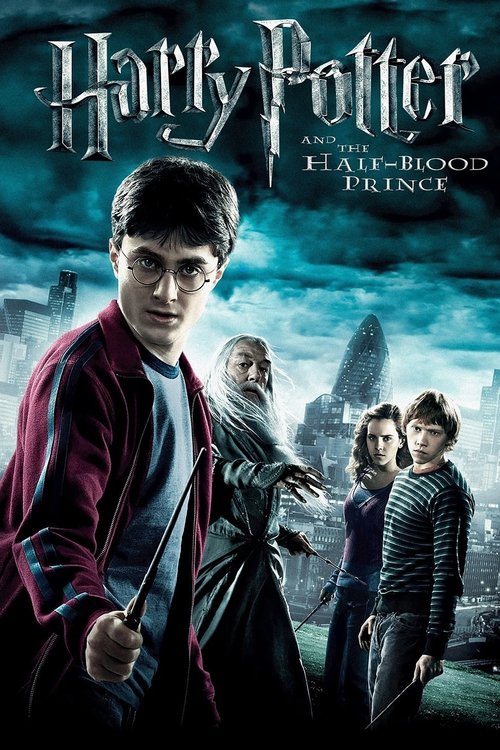
Harry Potter and the Half-Blood Prince - Review
Harry Potter and the Half-Blood Prince: A Brew of Shadows and Budding Romance
The sixth installment in the Harry Potter saga, Harry Potter and the Half-Blood Prince (2009), arrives with a weight of expectation. Following the explosive action of Order of the Phoenix, this film promises to delve deeper into the mysteries surrounding Lord Voldemort's past while navigating the tumultuous waters of teenage romance. Does it succeed in balancing these disparate elements? Or does it stumble under the pressure of its own ambition? Let's unravel the secrets hidden within the Half-Blood Prince's potions book.
Plot: A Dance Between Darkness and Dawn
Half-Blood Prince sees Lord Voldemort tightening his grip on both the wizarding and Muggle worlds. The sense of impending doom is palpable, even before the opening scene. Harry, now entering his sixth year at Hogwarts, finds himself increasingly burdened by the knowledge that he is destined to face Voldemort in a final, decisive battle. Dumbledore, ever the strategist, recognizes the urgent need to prepare Harry and begins a series of private lessons, delving into Voldemort's past using memories collected by others, most notably Horace Slughorn. These memories are crucial to understanding Voldemort's Horcruxes, the objects in which he has hidden pieces of his soul, ensuring his immortality.
Meanwhile, Hogwarts is far from the safe haven it once was. Suspicion hangs heavy in the air, particularly surrounding Draco Malfoy, whose increasingly erratic behavior suggests he is involved in something sinister. Snape, as always, remains an enigma, his loyalties perpetually questioned. Adding to the tension, love is in the air. Harry finds himself drawn to Ginny Weasley, Ron grapples with his feelings for Hermione while fending off the affections of Lavender Brown, and even the stoic Professor Slughorn seems to harbor a fondness for a select few students. These romantic entanglements provide a much-needed counterpoint to the encroaching darkness, but also create new vulnerabilities.
The film's plot is a deliberate slow burn, prioritizing character development and atmosphere over relentless action. While this allows for a more nuanced exploration of the characters' inner lives, it also results in a pacing that some viewers might find uneven. The climax, while impactful, feels somewhat rushed compared to the build-up, leaving certain plot threads dangling. The reveal of the Half-Blood Prince's identity, while faithful to the book, might not pack the same punch for those unfamiliar with the source material.
Characters: Growth and Transformation in the Face of Adversity
The core trio of Harry, Ron, and Hermione continues to evolve in Half-Blood Prince. Harry, played with increasing intensity by Daniel Radcliffe, grapples with the weight of his destiny. He's no longer just the boy who lived; he's a young man preparing for war, haunted by visions and burdened by responsibility. Radcliffe effectively portrays Harry's growing maturity and the internal conflict between his desire for normalcy and the inevitability of his fate.
Ron Weasley, portrayed by Rupert Grint, provides much-needed comic relief, but also showcases a surprising depth of character. His awkwardness and insecurities are amplified by his romantic struggles, making him relatable and endearing. Grint shines in the scenes where Ron confronts his own fears and insecurities, proving that he's more than just the comic sidekick.
Emma Watson as Hermione Granger continues to be the voice of reason and intelligence. However, Half-Blood Prince allows her to explore her own vulnerabilities and insecurities, particularly in her unrequited love for Ron. Watson delivers a nuanced performance, showcasing Hermione's intelligence, loyalty, and underlying emotional depth.
Michael Gambon's Dumbledore is more vulnerable and human in this installment. He's no longer the all-knowing, all-powerful figure of previous films, but a mentor grappling with the weight of his past and the burden of preparing Harry for the future. Gambon brings a quiet dignity and gravitas to the role, reminding us of Dumbledore's wisdom and compassion.
Jim Broadbent's Horace Slughorn is a welcome addition to the cast. He's a complex character, simultaneously charming and self-serving, possessing a wealth of knowledge and a hidden past. Broadbent perfectly captures Slughorn's eccentricities and vulnerabilities, making him a memorable and compelling character.
Tom Felton delivers a compelling performance as Draco Malfoy. He portrays Draco's internal conflict and growing desperation with subtlety and nuance, making him a more sympathetic and complex character than in previous films. Draco's arc in Half-Blood Prince is one of the most compelling aspects of the film.
Alan Rickman's Snape remains a masterclass in ambiguity. His motivations are as opaque as ever, and Rickman expertly conveys the character's simmering resentment and hidden depths. Snape's actions throughout the film raise more questions than answers, leaving the audience guessing about his true allegiance.
Direction and Cinematography: A Visual Feast of Light and Shadow
David Yates returns as director, continuing the darker, more mature tone he established in Order of the Phoenix. He masterfully creates a sense of unease and foreboding, reflecting the growing threat of Voldemort. Yates' direction is particularly effective in the scenes involving Voldemort's memories, which are visually striking and unsettling.
Bruno Delbonnel's cinematography is a standout feature of Half-Blood Prince. He employs a palette of muted colors and dramatic lighting to create a visually rich and atmospheric world. The use of light and shadow is particularly effective in creating a sense of mystery and danger. The film's visuals are both beautiful and unsettling, perfectly capturing the mood of the story.
The special effects are seamlessly integrated into the film, creating a believable and immersive world. From the Quidditch matches to the intricate potion-making sequences, the visual effects enhance the storytelling without overwhelming it. The Inferi scene in the cave is particularly well-executed, creating a truly terrifying and memorable sequence.
Themes and Messages: Love, Loss, and the Price of Power
Half-Blood Prince explores several key themes, including the power of love, the consequences of choices, and the corrupting influence of power. The film highlights the importance of love and friendship in the face of adversity, showing how these bonds can provide strength and support in even the darkest of times. The romantic relationships between Harry, Ron, and Hermione add a layer of complexity to the story, exploring the joys and challenges of young love.
The film also examines the consequences of choices, particularly those made by Voldemort. His pursuit of power and immortality has led him down a dark path, ultimately costing him his humanity. The film suggests that true power lies not in domination, but in compassion and empathy. The exploration of Voldemort’s past serves as a cautionary tale about the dangers of unchecked ambition.
The theme of loss is also prevalent throughout the film. The death of Dumbledore at the end of the film is a devastating blow, not only to Harry but to the entire wizarding world. This loss underscores the high stakes of the war against Voldemort and the sacrifices that must be made in order to achieve victory. The film suggests that even in the face of loss, hope and resilience can prevail.
Comparison to Other Films and Works
Compared to previous Harry Potter films, Half-Blood Prince is more introspective and character-driven. While it lacks the large-scale action sequences of Order of the Phoenix, it compensates with a deeper exploration of the characters' inner lives and the complexities of their relationships. The film's darker tone and emphasis on suspense are reminiscent of Prisoner of Azkaban, which is often considered one of the best films in the series.
David Yates' direction in Half-Blood Prince is consistent with his work on the subsequent Harry Potter films. He has a knack for creating a visually stunning and emotionally resonant world, and he effectively captures the essence of the source material. His direction is more subtle and nuanced than that of previous directors, allowing the characters and the story to take center stage.
The film's exploration of teenage romance is reminiscent of other coming-of-age films, such as The Perks of Being a Wallflower and Lady Bird. However, Half-Blood Prince adds a unique twist by setting these romantic entanglements against the backdrop of a looming war. This juxtaposition creates a sense of heightened stakes and emotional intensity.
Positive Aspects: A Rich Tapestry of Storytelling
Half-Blood Prince excels in several areas. The character development is exceptional, particularly for Harry, Ron, Hermione, and Draco. The performances are uniformly strong, with Daniel Radcliffe, Rupert Grint, Emma Watson, Tom Felton, Michael Gambon, Jim Broadbent, and Alan Rickman all delivering memorable performances. The cinematography is stunning, creating a visually rich and atmospheric world. The film effectively captures the darker tone of the later Harry Potter books, creating a sense of unease and foreboding. The exploration of themes such as love, loss, and the consequences of choices is both thought-provoking and emotionally resonant.
Constructive Criticism: Some Minor Stumbles
Despite its many strengths, Half-Blood Prince is not without its flaws. The pacing can be uneven at times, with the film prioritizing character development over plot progression. The climax, while impactful, feels somewhat rushed compared to the build-up. Some viewers may find the film's emphasis on teenage romance distracting from the main plot. The film also leaves certain plot threads dangling, particularly regarding Draco Malfoy's plan, which feels underdeveloped. The absence of certain key scenes from the book, such as the Gaunt family history, is also a missed opportunity.
Conclusion: A Compelling Chapter in the Harry Potter Saga
Harry Potter and the Half-Blood Prince is a compelling and visually stunning addition to the Harry Potter film series. While it may not be the most action-packed installment, it compensates with its rich character development, atmospheric visuals, and thought-provoking themes. The film effectively captures the darker tone of the later books, creating a sense of unease and foreboding. Despite some minor flaws, Half-Blood Prince is a must-see for fans of the series and a worthwhile cinematic experience for those unfamiliar with the source material. It's a film that lingers in the mind long after the credits roll, prompting reflection on the complexities of love, loss, and the enduring power of hope.
Rating: 8.5/10