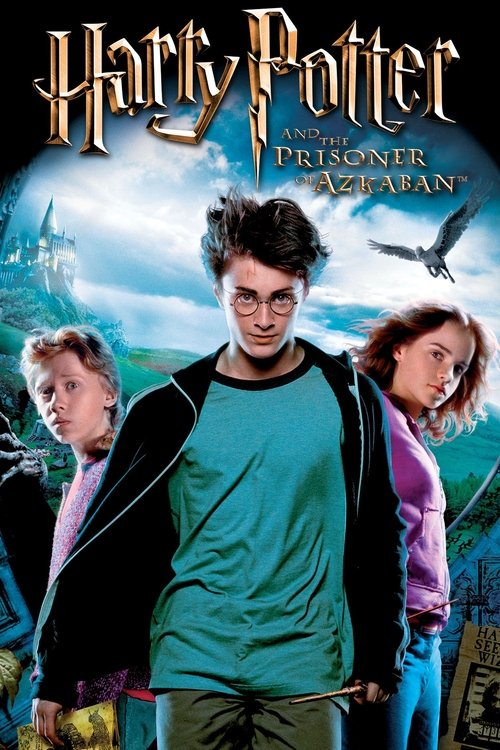
Harry Potter and the Prisoner of Azkaban - Review
A Darker Magic: A Review of Harry Potter and the Prisoner of Azkaban
The Harry Potter film franchise, a cinematic juggernaut that captivated a generation, underwent a significant transformation with its third installment, Harry Potter and the Prisoner of Azkaban. Released in 2004, this film marked a turning point, shedding some of the juvenile charm of its predecessors and embracing a darker, more complex narrative. Under the direction of Alfonso Cuarón, the movie transcends its young adult roots, delivering a sophisticated and visually stunning experience that resonated with both longtime fans and newcomers alike. But does this shift in tone truly elevate the series, or does it stray too far from the source material's inherent whimsy? Let's delve into the magical depths of Prisoner of Azkaban and explore its strengths, weaknesses, and enduring legacy.
Plot: A Tangled Web of Truth and Deception
Prisoner of Azkaban introduces a more intricate and morally ambiguous plot than its predecessors. The central conflict revolves around Sirius Black, a notorious mass murderer who has escaped the seemingly inescapable Azkaban prison. The wizarding world is in a state of panic, believing Black is hunting Harry Potter, and Hogwarts is placed under the watchful eyes of the soul-sucking Dementors. This premise immediately establishes a sense of dread and unease that permeates the entire film.
However, the narrative is far more than a simple manhunt. As the story unfolds, Harry, Ron, and Hermione uncover a web of secrets and betrayals surrounding Black's past and his connection to Harry's parents. The introduction of Professor Remus Lupin, a new Defense Against the Dark Arts teacher with a hidden secret of his own, adds another layer of complexity to the plot. The use of the Time-Turner by Hermione allows for a clever and satisfying resolution to several seemingly impossible situations, while also emphasizing the themes of fate and free will.
While the plot is generally well-paced and engaging, it does suffer from some minor inconsistencies and omissions compared to the book. Certain subplots and character developments are truncated or removed altogether, which may disappoint avid readers of the series. For instance, the Marauders' Map, though visually impressive, is not fully explained, and its significance to the overall narrative is somewhat diminished. Additionally, the film rushes through some of the more emotional and introspective moments from the book, such as Harry's struggles with his own identity and his fear of becoming like Voldemort.
Characters: Growth, Depth, and Nuance
One of the greatest strengths of Prisoner of Azkaban lies in its character development. The core trio of Harry, Ron, and Hermione are no longer the wide-eyed children of the first two films. They are teenagers grappling with complex emotions, insecurities, and the growing pains of adolescence. Daniel Radcliffe delivers a more nuanced performance as Harry, portraying his vulnerability, anger, and determination with greater depth. Rupert Grint continues to provide comic relief as Ron, but he also demonstrates a growing sense of loyalty and courage. Emma Watson shines as Hermione, showcasing her intelligence, compassion, and unwavering commitment to her friends.
The introduction of new characters also adds significantly to the film's appeal. Gary Oldman delivers a captivating performance as Sirius Black, portraying him as both a dangerous fugitive and a sympathetic figure haunted by his past. David Thewlis is equally impressive as Remus Lupin, capturing his warmth, wisdom, and the inner turmoil of his lycanthropic condition. Together, Oldman and Thewlis bring a level of gravitas and emotional depth to the film that was previously lacking.
However, some of the supporting characters are less well-developed. Michael Gambon, taking over the role of Dumbledore from the late Richard Harris, delivers a more energetic and assertive portrayal of the headmaster. While Gambon's performance is generally well-received, some fans felt that it lacked the quiet wisdom and gentle authority of Harris's interpretation. Similarly, the character of Severus Snape, played by Alan Rickman, remains enigmatic and intimidating, but his motivations and backstory are not fully explored in this film.
Direction: A Visual Masterpiece
Alfonso Cuarón's direction is arguably the most significant factor in Prisoner of Azkaban's success. He brings a fresh and innovative visual style to the series, moving away from the brightly lit, almost cartoonish aesthetic of the previous films and embracing a darker, more atmospheric tone. Cuarón's use of long takes, dynamic camera movements, and creative visual effects creates a sense of immersion and realism that was previously absent.
The film's visual design is also exceptional. The Hogwarts castle is reimagined as a more gothic and imposing structure, reflecting the darker themes of the story. The Dementors are particularly terrifying, their spectral forms and soul-sucking abilities brought to life with stunning visual effects. The Quidditch scenes are more exciting and dynamic, showcasing the sport's thrilling aerial maneuvers.
Cuarón's direction is not without its detractors. Some fans felt that his stylistic choices strayed too far from the source material's inherent whimsy and lightheartedness. The darker tone and more realistic portrayal of Hogwarts may not appeal to all viewers, particularly those who preferred the more fantastical and childlike atmosphere of the earlier films. However, Cuarón's vision undoubtedly elevates the series to a new level of artistic achievement.
Cinematography: Painting with Light and Shadow
The cinematography in Prisoner of Azkaban, masterfully handled by Michael Seresin, is a crucial element in establishing the film's darker and more atmospheric tone. Seresin's use of light and shadow creates a sense of unease and foreboding, perfectly complementing the film's themes of fear and uncertainty. The muted color palette and natural lighting contribute to the film's realism and believability.
The use of long takes and dynamic camera movements adds to the film's visual dynamism. Seresin's camera often glides through the Hogwarts corridors, following the characters as they navigate the castle's labyrinthine passages. This technique creates a sense of immersion and allows the viewer to feel as though they are right there alongside Harry, Ron, and Hermione.
The cinematography is particularly effective in the scenes involving the Dementors. Seresin's use of low-key lighting and slow-motion photography creates a sense of dread and terror, emphasizing the Dementors' soul-sucking abilities. The swirling black cloaks and ghostly forms of the Dementors are visually stunning and genuinely frightening.
Performances: A Cast at the Top of Their Game
The performances in Prisoner of Azkaban are universally strong, with the cast delivering some of their best work in the series. Daniel Radcliffe, Rupert Grint, and Emma Watson have matured significantly as actors, bringing greater depth and nuance to their roles. Gary Oldman and David Thewlis are exceptional additions to the cast, delivering captivating and emotionally resonant performances.
Radcliffe's portrayal of Harry Potter is particularly noteworthy. He captures Harry's vulnerability, anger, and determination with greater depth than in the previous films. He effectively conveys Harry's emotional turmoil as he grapples with the revelations about his parents and his connection to Sirius Black. Grint continues to provide comic relief as Ron, but he also demonstrates a growing sense of loyalty and courage. Watson shines as Hermione, showcasing her intelligence, compassion, and unwavering commitment to her friends.
Oldman's portrayal of Sirius Black is both menacing and sympathetic. He effectively conveys Black's desperation and his desire to clear his name. Thewlis is equally impressive as Remus Lupin, capturing his warmth, wisdom, and the inner turmoil of his lycanthropic condition. Alan Rickman continues to deliver a compelling and enigmatic performance as Severus Snape, though his character remains largely unchanged from the previous films.
Themes and Messages: Facing Fear and Confronting the Past
Prisoner of Azkaban explores several important themes, including the nature of fear, the power of friendship, and the importance of confronting the past. The Dementors serve as a powerful metaphor for depression and the soul-crushing effects of fear. Harry's struggle to overcome his fear of the Dementors is a central theme of the film, highlighting the importance of resilience and self-belief.
The film also emphasizes the power of friendship and the importance of loyalty. Harry, Ron, and Hermione rely on each other for support and encouragement as they face danger and uncertainty. Their unwavering friendship is a source of strength and resilience, helping them to overcome seemingly insurmountable obstacles.
Finally, Prisoner of Azkaban explores the importance of confronting the past. Sirius Black's story is a cautionary tale about the dangers of prejudice and the importance of forgiveness. Harry must come to terms with the truth about his parents and their connection to Black in order to move forward and embrace his destiny.
Comparison to Other Films/Works
Prisoner of Azkaban stands out from the other Harry Potter films due to its darker tone and more sophisticated visual style. While the previous films were more faithful adaptations of the books, Cuarón's vision takes greater liberties with the source material, resulting in a more cinematic and artistically ambitious film. The film can be compared to other fantasy films that explore darker themes, such as Pan's Labyrinth, also directed by Cuarón, which blends fantasy and reality to explore the horrors of war.
Compared to Chris Columbus's direction in the first two Harry Potter films, Cuarón's approach is much more visually dynamic and emotionally resonant. Columbus's films were more straightforward adaptations, focusing on capturing the whimsical and fantastical elements of the books. Cuarón, on the other hand, emphasizes the psychological and emotional aspects of the story, resulting in a more mature and thought-provoking film.
The performances in Prisoner of Azkaban also represent a significant improvement over the previous films. The young actors have matured considerably, and the addition of seasoned actors like Gary Oldman and David Thewlis adds a new level of gravitas and emotional depth to the cast.
Positive Aspects: A Masterful Transformation
Prisoner of Azkaban is a triumph of filmmaking, boasting a number of positive aspects that elevate it above its predecessors. These include:
- Direction: Alfonso Cuarón's visionary direction brings a fresh and innovative visual style to the series.
- Cinematography: Michael Seresin's use of light and shadow creates a sense of unease and foreboding, perfectly complementing the film's themes.
- Performances: The cast delivers some of their best work in the series, with Daniel Radcliffe, Rupert Grint, and Emma Watson showing significant growth as actors.
- Plot: The intricate and morally ambiguous plot keeps viewers engaged and invested in the story.
- Themes: The film explores important themes such as the nature of fear, the power of friendship, and the importance of confronting the past.
- Visual Effects: The visual effects are stunning, particularly in the scenes involving the Dementors.
- Sound Design: The sound design is immersive and effective, creating a sense of tension and suspense.
Constructive Criticism: Minor Imperfections in a Magical World
While Prisoner of Azkaban is a highly successful film, it is not without its flaws. Some areas for potential improvement include:
- Pacing: The film occasionally rushes through important plot points and character developments, particularly in the second half.
- Omissions: Certain subplots and character details from the book are omitted or truncated, which may disappoint avid readers of the series.
- Dumbledore's Portrayal: Michael Gambon's portrayal of Dumbledore, while generally well-received, may not appeal to all viewers, particularly those who preferred Richard Harris's interpretation.
- Snape's Development: The character of Severus Snape remains largely unchanged from the previous films, and his motivations and backstory are not fully explored.
- Deviation from the Source Material: Cuarón's stylistic choices, while generally effective, may stray too far from the source material's inherent whimsy and lightheartedness for some viewers.
Conclusion: A Magical Masterpiece
Harry Potter and the Prisoner of Azkaban is a remarkable achievement in filmmaking. Alfonso Cuarón's visionary direction, coupled with strong performances from the cast and a compelling plot, elevates the series to new heights. While the film may not be a perfect adaptation of the book, it is a visually stunning and emotionally resonant experience that will captivate audiences of all ages. The darker tone and more sophisticated themes make it a standout entry in the Harry Potter franchise, solidifying its place as a modern classic. It's a testament to the power of adapting beloved stories while daring to explore new artistic territory.
Rating: 9.5/10