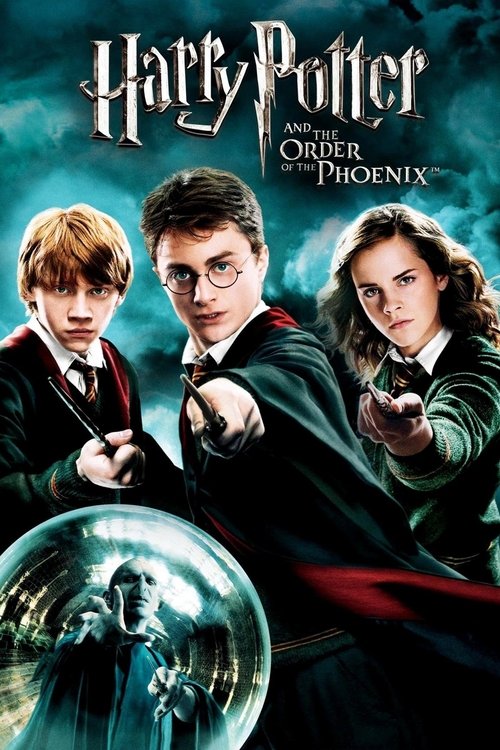
Harry Potter and the Order of the Phoenix - Review
Harry Potter and the Order of the Phoenix: A Review
Harry Potter and the Order of the Phoenix, released in 2007, marks a significant turning point in the beloved franchise. Gone are the whimsical adventures of childhood; this film plunges headfirst into the darker, more complex realities of adolescence, political corruption, and the looming threat of Lord Voldemort. More than just a magical adventure, it's a coming-of-age story steeped in paranoia, rebellion, and the burden of responsibility. But does this darker shift translate into a compelling cinematic experience? Let's delve into the shadowy corridors of Hogwarts and explore the strengths and weaknesses of this pivotal chapter in the Harry Potter saga.
Plot: The Weight of Prophecy and Political Intrigue
The film opens with a stark contrast to the vibrant beginnings of previous installments. Harry, now a brooding and isolated teenager, is attacked by Dementors in Little Whinging, forcing him to use magic outside of school and subsequently face expulsion from Hogwarts. This immediately establishes the film's central conflict: the Ministry of Magic, led by the increasingly paranoid and power-hungry Cornelius Fudge, refuses to acknowledge Voldemort's return. Instead, Fudge orchestrates a smear campaign against Harry, painting him as a delusional attention-seeker and Albus Dumbledore as a senile old fool.
This political subplot, a departure from the purely fantastical narratives of earlier films, adds a layer of depth and realism. The Ministry's denial, fuelled by fear and a desire to maintain control, mirrors real-world instances of governments suppressing inconvenient truths. The appointment of Dolores Umbridge as High Inquisitor of Hogwarts further intensifies the tension. Umbridge, a saccharine-sweet but utterly ruthless bureaucrat, systematically dismantles Dumbledore's authority and imposes draconian rules, effectively turning Hogwarts into a prison. Her pink attire and cloying demeanor serve as a chilling facade for her insidious cruelty.
Meanwhile, Harry struggles with the emotional fallout of witnessing Cedric Diggory's death and the growing connection he feels to Voldemort. These shared visions and feelings, explored through intense and often disturbing dream sequences, highlight the psychological toll of Harry's burden as the "Chosen One." He grapples with anger, frustration, and a sense of isolation, feeling misunderstood and unsupported by those around him.
The formation of Dumbledore's Army, a secret student group led by Harry to learn practical Defense Against the Dark Arts, becomes a symbol of resistance against Umbridge's oppressive regime. These clandestine training sessions offer moments of camaraderie and hope amidst the growing darkness. The climax of the film, a battle in the Department of Mysteries, is a visually stunning and emotionally charged sequence that showcases the power of both good and evil. The tragic death of Sirius Black, Harry's godfather and last remaining link to his parents, serves as a devastating blow, further solidifying the film's darker tone and emphasizing the high stakes of the war against Voldemort.
Characters: Growth, Grief, and the Burden of Destiny
Order of the Phoenix offers some of the most compelling character development in the entire series. Harry, played with increasing depth and intensity by Daniel Radcliffe, is no longer the wide-eyed boy wizard. He's a troubled teenager grappling with trauma, anger, and the immense responsibility placed upon his shoulders. Radcliffe effectively portrays Harry's internal struggles, conveying his vulnerability and resilience in equal measure.
Rupert Grint as Ron Weasley and Emma Watson as Hermione Granger continue to provide much-needed comic relief and unwavering support for Harry. However, their characters also evolve, demonstrating growing maturity and courage. Hermione's intelligence and resourcefulness are crucial in forming and maintaining Dumbledore's Army, while Ron's loyalty and surprising Quidditch skills prove invaluable.
Imelda Staunton's portrayal of Dolores Umbridge is a masterclass in villainy. She embodies the banality of evil, presenting a deceptively sweet and harmless exterior while perpetrating acts of cruelty and oppression. Her performance is so effective that she becomes one of the most hated characters in the entire series.
The return of Gary Oldman as Sirius Black is bittersweet. He provides Harry with a much-needed father figure, offering guidance and understanding. However, his reckless nature and unresolved issues ultimately contribute to his tragic demise. Oldman delivers a nuanced performance, capturing both Sirius's playful spirit and his inner demons.
Michael Gambon as Albus Dumbledore continues to be a powerful and enigmatic presence. However, his characterization in this film is somewhat controversial. While Gambon delivers a commanding performance, some fans feel that his portrayal lacks the warmth and grandfatherly qualities of Richard Harris, who played Dumbledore in the first two films. In Order of the Phoenix, Dumbledore is more aloof and strategic, keeping Harry at arm's length for his own protection, which can come across as cold and distant.
The introduction of Luna Lovegood, played by Evanna Lynch, is a welcome addition to the cast. Luna's quirky personality and unwavering belief in the extraordinary provide a refreshing contrast to the cynicism and paranoia that permeates the film. Lynch perfectly embodies Luna's ethereal quality, making her a memorable and endearing character.
Direction: A Darker Vision
David Yates takes the directorial reins for Order of the Phoenix, marking the beginning of his tenure as the director for the remaining Harry Potter films. Yates brings a darker and more grounded aesthetic to the franchise, reflecting the increasingly mature themes of the story. He emphasizes the psychological and emotional struggles of the characters, creating a sense of unease and tension that permeates the entire film.
Yates's direction is characterized by a focus on realism and detail. He avoids the excessive CGI and fantastical elements that sometimes overshadowed the earlier films, opting for a more understated and atmospheric approach. The sets are meticulously designed, creating a believable and immersive world. The use of shadows and muted colors further enhances the film's darker tone.
However, Yates's direction also has its drawbacks. Some critics argue that his pacing is uneven, with certain scenes feeling rushed while others drag on unnecessarily. The film also suffers from a lack of visual dynamism compared to previous installments. While the darker tone is appropriate for the story, it sometimes comes at the expense of the magical wonder and excitement that were hallmarks of the earlier films.
Cinematography: Shadows and Light
Sławomir Idziak's cinematography effectively captures the film's darker tone. He utilizes a muted color palette and dramatic lighting to create a sense of unease and foreboding. The use of shadows is particularly effective, emphasizing the hidden dangers and lurking threats that permeate the story.
The film's visual style is characterized by a contrast between light and darkness. The bright and cheerful colors of Umbridge's office are juxtaposed with the dark and oppressive atmosphere of the Ministry of Magic. This visual dichotomy reinforces the film's themes of good versus evil and the struggle between hope and despair.
The action sequences are well-shot and visually engaging, particularly the battle in the Department of Mysteries. The use of special effects is seamless and convincing, creating a truly immersive experience. The cinematography effectively captures the chaos and intensity of the battle, conveying the high stakes and the devastating consequences of the war against Voldemort.
Performances: A Cast at Their Peak
The performances in Order of the Phoenix are universally strong. The core trio of Daniel Radcliffe, Rupert Grint, and Emma Watson deliver their most mature and nuanced performances to date. They effectively convey the emotional complexities of their characters, capturing their struggles with trauma, anger, and the weight of responsibility.
The supporting cast is equally impressive. Imelda Staunton's portrayal of Dolores Umbridge is a standout, earning her widespread acclaim for her chillingly effective performance. Gary Oldman delivers a poignant and memorable performance as Sirius Black, capturing both his playful spirit and his inner demons.
Helena Bonham Carter makes a brief but impactful appearance as Bellatrix Lestrange, showcasing her talent for portraying eccentric and unpredictable characters. Michael Gambon continues to deliver a commanding performance as Albus Dumbledore, although his portrayal remains a subject of debate among fans.
Evanna Lynch's portrayal of Luna Lovegood is a delightful addition to the cast. She perfectly embodies Luna's quirky personality and unwavering belief in the extraordinary, making her a memorable and endearing character.
Themes and Messages: Rebellion, Resistance, and the Price of Truth
Harry Potter and the Order of the Phoenix explores several important themes, including the dangers of unchecked power, the importance of resistance against oppression, and the price of truth. The Ministry of Magic's denial of Voldemort's return serves as a cautionary tale about the dangers of political corruption and the suppression of inconvenient truths. Umbridge's oppressive regime at Hogwarts highlights the importance of standing up against injustice and fighting for freedom of thought and expression.
The formation of Dumbledore's Army symbolizes the power of collective action and the importance of empowering young people to take control of their own destinies. Harry's struggle with his connection to Voldemort explores the psychological toll of trauma and the importance of seeking support and understanding.
The film also examines the themes of grief and loss. The death of Sirius Black serves as a devastating blow to Harry, forcing him to confront the reality of mortality and the high stakes of the war against Voldemort. His death underscores the sacrifices that are necessary in the fight against evil and the importance of cherishing the relationships we have.
Ultimately, Order of the Phoenix is a story about hope and resilience in the face of adversity. Despite the darkness and despair that permeates the film, Harry and his friends never give up hope. They continue to fight for what they believe in, even when the odds are stacked against them. Their courage and determination serve as an inspiration to audiences of all ages.
Comparison to Other Films and Works
Harry Potter and the Order of the Phoenix marks a significant departure from the lighter and more whimsical tone of the earlier films in the series. It shares more in common with darker coming-of-age stories like The Hunger Games and Divergent, which explore themes of political oppression, rebellion, and the challenges of growing up in a dystopian society.
David Yates's direction in Order of the Phoenix is similar to his work on other dramas, emphasizing realism and character development over flashy special effects. His approach is reminiscent of directors like Christopher Nolan, who are known for their grounded and atmospheric storytelling.
Imelda Staunton's portrayal of Dolores Umbridge is often compared to other iconic villains like Nurse Ratched from One Flew Over the Cuckoo's Nest, who embody the banality of evil and the insidious nature of bureaucratic oppression.
Positive Aspects
- Strong performances from the entire cast, particularly Daniel Radcliffe, Imelda Staunton, and Gary Oldman.
- A darker and more mature storyline that explores complex themes.
- Effective direction from David Yates, creating a sense of unease and tension.
- Visually stunning special effects and cinematography.
- A compelling political subplot that adds depth and realism to the story.
Constructive Criticism
- Uneven pacing, with certain scenes feeling rushed while others drag on unnecessarily.
- Lack of visual dynamism compared to previous installments.
- Michael Gambon's portrayal of Dumbledore may not appeal to all fans.
- The film's darker tone may be off-putting to some viewers who prefer the lighter and more whimsical atmosphere of the earlier films.
Conclusion
Harry Potter and the Order of the Phoenix is a pivotal and often underrated entry in the Harry Potter film series. While it deviates from the lighter tone of its predecessors, it offers a compelling and thought-provoking exploration of complex themes such as political corruption, rebellion, and the psychological toll of trauma. The strong performances, effective direction, and visually stunning cinematography make it a worthwhile cinematic experience. While the uneven pacing and darker tone may not appeal to all viewers, Order of the Phoenix ultimately stands as a powerful and memorable chapter in the Harry Potter saga.
Rating: 8.5/10