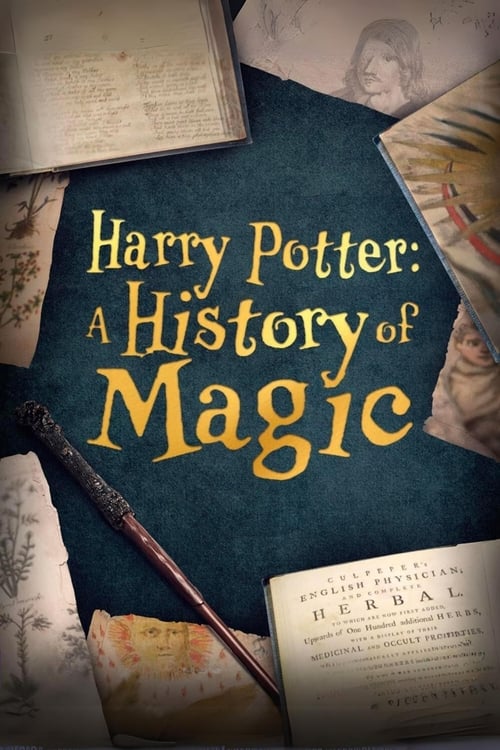
Harry Potter: A History Of Magic - Review
Harry Potter: A History of Magic - A Journey Beyond the Page
For a generation raised on the fantastical tales of a boy wizard, the name "Harry Potter" conjures more than just characters and spells. It evokes a sense of wonder, nostalgia, and a deep connection to a world brimming with magic and adventure. But what lies beneath the surface of J.K. Rowling's creation? What inspired the spells, the creatures, the very essence of the wizarding world? "Harry Potter: A History of Magic," the 2017 documentary accompanying the British Library's exhibition of the same name, offers a fascinating glimpse behind the curtain, revealing the real-world history and mythology that fueled the imagination of one of the most beloved authors of our time. This isn't just a film for Potterheads; it's a captivating exploration of the power of folklore, the allure of the arcane, and the enduring human fascination with the unexplained.
Plot: Unveiling the Secrets of the Exhibition
The documentary's plot is elegantly simple: it follows the British Library's curatorial team as they prepare for and mount the "Harry Potter: A History of Magic" exhibition. This provides a natural framework for exploring the various themes and topics that underpin the Harry Potter universe. The film interweaves footage of the curators meticulously cataloging and arranging artifacts with interviews with J.K. Rowling herself, who offers invaluable insights into her creative process and the specific historical sources that inspired her writing. We see Rowling examining ancient alchemical texts, medieval bestiaries, and early herbals, drawing direct parallels between these historical objects and the corresponding elements in her books. The documentary also features contributions from Jim Kay, the illustrator of the illustrated editions of the Harry Potter books, showcasing his artistic interpretations of the magical world and the research that informed his designs.
The narrative unfolds thematically, with each section of the film focusing on a different subject from the Hogwarts curriculum. We delve into the history of potions, exploring the real-world origins of ingredients like mandrake root and bezoars. We examine the evolution of herbology, tracing the lineage of magical plants and their purported medicinal properties. We uncover the roots of charms and spells, discovering their connections to ancient incantations and rituals. Each segment is meticulously researched and beautifully presented, offering a rich tapestry of historical facts and literary analysis.
Characters: Beyond the Fictional Realm
While the film doesn't focus on the fictional characters of the Harry Potter series in the traditional sense, it introduces us to compelling real-life individuals who played a crucial role in bringing the magical world to life. The curators of the British Library, with their passion for history and their meticulous attention to detail, become characters in their own right. Their enthusiasm is infectious, and their expertise shines through as they explain the significance of each artifact.
J.K. Rowling, of course, is the central figure. Her presence is more than just a celebrity endorsement; it's the heart and soul of the film. She is articulate, insightful, and genuinely passionate about the history and mythology that inspired her work. Her anecdotes are fascinating, and her willingness to share personal manuscripts and drawings provides a rare glimpse into her creative process. She is not just an author; she is a scholar, a storyteller, and a true believer in the power of imagination.
Jim Kay's contributions add another layer to the film. His artistic interpretations of the magical world are stunning, and his insights into the research and design process are invaluable. He demonstrates how historical accuracy and artistic license can be combined to create a truly immersive and believable world.
Direction and Cinematography: A Feast for the Eyes
The direction of "Harry Potter: A History of Magic" is understated but effective. The film avoids flashy editing and dramatic flourishes, opting instead for a more measured and contemplative approach. This allows the historical artifacts and Rowling's insights to take center stage. The pacing is well-balanced, interweaving interviews, archival footage, and shots of the exhibition in a way that keeps the viewer engaged without feeling overwhelmed.
The cinematography is visually stunning. The film makes excellent use of lighting and composition to showcase the beauty and detail of the historical artifacts. Close-up shots of illuminated manuscripts, ancient maps, and intricate illustrations bring these objects to life, revealing their hidden stories and secrets. The cinematography also captures the grandeur of the British Library, highlighting its importance as a repository of knowledge and a source of inspiration.
The film also benefits from its access to Rowling's personal archives. The inclusion of her handwritten notes, early drafts, and sketches adds a personal touch to the documentary, making it feel like a privileged glimpse into the mind of a genius.
Performances: A Chorus of Experts and Enthusiasm
While "performance" might not be the most accurate term for a documentary, the individuals featured in "Harry Potter: A History of Magic" deliver compelling and engaging presentations. The curators of the British Library speak with authority and passion, conveying their deep knowledge of the historical artifacts and their enthusiasm for the Harry Potter series. J.K. Rowling is a natural storyteller, and her insights are both informative and entertaining. Jim Kay's artistic demonstrations are captivating, and his explanations of his creative process are both insightful and inspiring. The collective enthusiasm of these individuals is infectious, making the documentary a joy to watch.
Themes and Messages: The Enduring Power of Magic and Storytelling
The central theme of "Harry Potter: A History of Magic" is the enduring power of magic and storytelling. The film demonstrates how the myths, legends, and folklore of the past continue to resonate with us today, inspiring our imaginations and shaping our understanding of the world. It shows how J.K. Rowling drew upon these historical sources to create a world that is both fantastical and believable, a world that has captured the hearts and minds of millions of readers around the globe.
The film also explores the importance of research and scholarship. It highlights the meticulous work of the British Library's curators and the extensive research that Rowling undertook to create her world. It shows how a deep understanding of history and mythology can enrich our understanding of literature and art.
Furthermore, the documentary celebrates the power of imagination and creativity. It demonstrates how one person's vision can inspire and transform the world, creating a lasting legacy that will endure for generations to come.
Comparison: Stepping Beyond the Fictional Narrative
Compared to other documentaries about the Harry Potter franchise, such as those focusing on the making of the films, "Harry Potter: A History of Magic" offers a unique and refreshing perspective. It moves beyond the fictional narrative to explore the real-world history and mythology that inspired the series. It's less about the special effects and the actors, and more about the intellectual and cultural foundations of the wizarding world.
In some ways, it resembles documentaries about the creation of other fantastical worlds, such as those focusing on the works of J.R.R. Tolkien or C.S. Lewis. However, "Harry Potter: A History of Magic" distinguishes itself by its focus on the specific historical artifacts and sources that inspired Rowling's writing. It's not just about the author's imagination; it's about the tangible connections between the fictional world and the real world.
The documentary also shares similarities with other museum exhibition documentaries, such as those focusing on the Metropolitan Museum of Art or the Louvre. However, "Harry Potter: A History of Magic" is unique in its appeal to a broad audience, thanks to the enduring popularity of the Harry Potter series.
Positive Aspects: A Magical Blend of History and Fantasy
The film's greatest strength lies in its ability to seamlessly blend history and fantasy. It presents complex historical information in an accessible and engaging way, making it appealing to both casual fans and serious scholars. The interviews with J.K. Rowling are invaluable, providing a rare glimpse into her creative process and her deep knowledge of mythology and folklore. The cinematography is stunning, showcasing the beauty and detail of the historical artifacts. The film is also well-paced and thoughtfully structured, keeping the viewer engaged from beginning to end.
The documentary's focus on the British Library and its collection is also a major strength. It highlights the importance of libraries and museums as repositories of knowledge and sources of inspiration. It also showcases the dedication and expertise of the curators who work to preserve and interpret these artifacts for future generations.
Constructive Criticism: A Missed Opportunity?
While "Harry Potter: A History of Magic" is a fascinating and informative documentary, it does have some limitations. One potential area for improvement is the lack of diverse perspectives. While the film features the voices of J.K. Rowling, Jim Kay, and the British Library curators, it could have benefited from the inclusion of other scholars and experts, particularly those from different cultural backgrounds. This would have added a richer and more nuanced perspective to the discussion of magic and mythology.
Another minor criticism is the film's relatively narrow focus on the exhibition itself. While the exhibition provides a natural framework for exploring the themes and topics of the Harry Potter series, the film could have delved deeper into the broader history of magic and folklore. It could have explored the connections between the Harry Potter universe and other magical traditions from around the world.
Finally, while the film does a good job of showcasing the visual beauty of the historical artifacts, it could have included more interactive elements to engage the viewer. For example, it could have included animations or simulations to bring the artifacts to life or to demonstrate the principles of alchemy or herbology.
Conclusion: A Must-See for Potterheads and History Buffs Alike
"Harry Potter: A History of Magic" is a captivating and informative documentary that offers a fascinating glimpse behind the scenes of one of the most beloved literary franchises of our time. It's a must-see for Potterheads, history buffs, and anyone interested in the power of magic and storytelling. While it has some minor limitations, its strengths far outweigh its weaknesses. The film is beautifully shot, thoughtfully structured, and features invaluable insights from J.K. Rowling and the British Library curators. It's a testament to the enduring power of imagination and the importance of preserving our cultural heritage. It's more than just a documentary; it's a magical journey into the heart of the wizarding world.