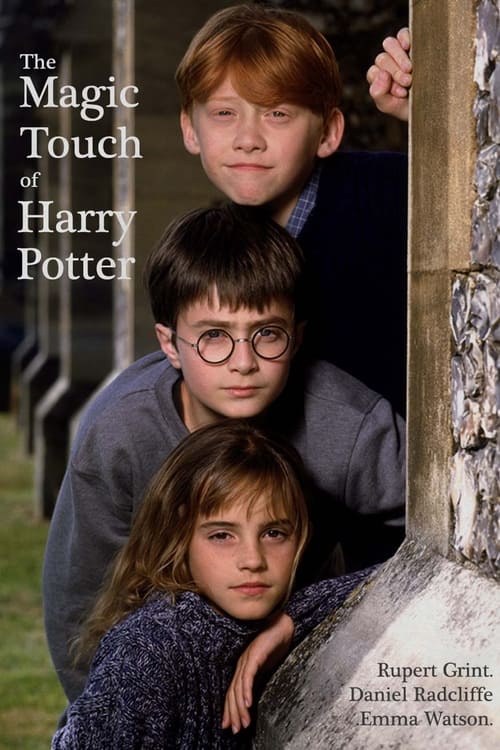
The Magic Touch of Harry Potter - Review
A Journey Through the Wizarding World: A Review of "The Magic Touch of Harry Potter"
The world of Harry Potter, brought to life from the pages of J.K. Rowling's beloved novels, captured the imaginations of millions. But behind the fantastical creatures, thrilling Quidditch matches, and heartwarming friendships, lay a monumental effort of filmmaking. "The Magic Touch of Harry Potter," a 2004 documentary, offers a glimpse behind the curtain, revealing the meticulous process of translating the magic to the big screen. But does it truly capture the essence of the wizarding world, or is it just another puff of smoke and mirrors? Let's delve into the depths of this behind-the-scenes journey.
Synopsis and Structure
“The Magic Touch of Harry Potter” focuses primarily on the making of the first three Harry Potter films: Harry Potter and the Sorcerer's Stone (2001), Harry Potter and the Chamber of Secrets (2002), and Harry Potter and the Prisoner of Azkaban (2004). The documentary adopts a chronological approach, charting the evolution of the franchise from its initial casting choices to the complex visual effects that brought the wizarding world to life. It features interviews with key cast and crew members, including the three young leads – Daniel Radcliffe, Rupert Grint, and Emma Watson – as well as directors Chris Columbus and Alfonso Cuarón, producers David Heyman and Chris Columbus, and various department heads like production designers, costume designers, and special effects supervisors.
The film is structured around specific aspects of the filmmaking process. Segments are dedicated to casting the iconic characters, designing the physical sets (Hogwarts, Diagon Alley, etc.), creating the creatures and magical effects, and exploring the challenges of adapting such a beloved literary series. It presents a comprehensive overview of the logistical and creative hurdles involved in bringing Rowling's vision to the silver screen.
Analyzing the Content: Plot, Characters, and Direction
Unlike a traditional narrative film, "The Magic Touch of Harry Potter" doesn't have a conventional plot. Its 'plot' is the journey of making the first three films, the challenges overcome, and the creative decisions that shaped the final product. The documentary excels at showcasing the passion and dedication of the filmmakers. It emphasizes the collaborative effort required to translate the intricate details of Rowling's world into a tangible cinematic experience.
The "characters" of the documentary are the filmmakers themselves. Through their interviews, we gain insight into their perspectives, their anxieties, and their triumphs. Daniel Radcliffe, Rupert Grint, and Emma Watson, in their early years, offer charming and insightful commentary on their experiences growing up on set and embodying these beloved characters. Their genuine enthusiasm is infectious and adds a layer of authenticity to the documentary.
The directors, Chris Columbus and Alfonso Cuarón, provide contrasting perspectives on their approaches to the films. Columbus, who directed the first two installments, emphasizes his desire to remain faithful to the source material and create a visually appealing world for younger audiences. Cuarón, who took the helm for "Prisoner of Azkaban," discusses his efforts to inject a darker, more mature tone into the series, reflecting the growing complexity of the characters and the narrative. The documentary effectively highlights these contrasting styles, demonstrating the evolving nature of the franchise.
Cinematography and Editing
The cinematography in "The Magic Touch of Harry Potter" is primarily functional, focusing on capturing interviews and showcasing behind-the-scenes footage. It's not particularly artistic or innovative, but it serves its purpose of documenting the filmmaking process. The use of archival footage from the film sets, including raw takes, bloopers, and candid moments, provides a valuable glimpse into the day-to-day realities of making a blockbuster film.
The editing is generally well-paced, effectively weaving together interview segments, behind-the-scenes footage, and clips from the films themselves. However, at times, the documentary can feel somewhat repetitive, revisiting similar themes and ideas multiple times. A tighter edit could have enhanced the overall impact and kept the audience more engaged.
Themes and Messages
While not explicitly stated, "The Magic Touch of Harry Potter" explores several underlying themes. One prominent theme is the power of collaboration. The documentary emphasizes the importance of teamwork and the contributions of countless individuals – from the actors and directors to the set designers and visual effects artists – in bringing the Harry Potter films to life. It highlights the fact that filmmaking is a complex and collaborative art form.
Another theme is the challenge of adaptation. The documentary acknowledges the inherent difficulties in translating a beloved book series to the screen. It explores the compromises that had to be made, the creative liberties that were taken, and the constant pressure to satisfy both the author and the fans. It showcases the delicate balance between staying true to the source material and creating a compelling cinematic experience.
Furthermore, the documentary implicitly touches upon the impact of fame and fortune on the young actors. It offers a glimpse into their lives as they navigated the challenges of growing up in the public eye while simultaneously portraying iconic characters. While not delving too deeply into the personal struggles, it acknowledges the unique pressures they faced.
Performances and Interviews
The strength of "The Magic Touch of Harry Potter" lies in its interviews with the cast and crew. Daniel Radcliffe, Rupert Grint, and Emma Watson are particularly engaging, offering charming and insightful reflections on their experiences. Their youthful enthusiasm is infectious, and their genuine affection for the characters and the franchise is evident.
Chris Columbus and Alfonso Cuarón provide valuable perspectives on their directorial approaches. Columbus's earnestness and dedication to the source material are admirable, while Cuarón's artistic vision and willingness to take risks are equally compelling. The contrast between their styles highlights the evolving nature of the franchise and the different interpretations that can be applied to the same source material.
The interviews with the various department heads are also informative, providing insights into the technical aspects of filmmaking. The production designers, costume designers, and visual effects supervisors offer fascinating details about their contributions to creating the wizarding world.
Comparison to Other Similar Films
"The Magic Touch of Harry Potter" can be compared to other behind-the-scenes documentaries, such as "Hearts of Darkness: A Filmmaker's Apocalypse" (about the making of "Apocalypse Now") or "Lost in La Mancha" (about Terry Gilliam's failed attempt to make "The Man Who Killed Don Quixote"). However, unlike those documentaries, which focus on the dramatic and often chaotic aspects of filmmaking, "The Magic Touch of Harry Potter" presents a more sanitized and controlled narrative. It's less about the struggles and more about the successes.
It's also similar to other documentaries focusing on specific film franchises, such as the numerous documentaries about the "Star Wars" or "Lord of the Rings" films. These documentaries often delve into the technical aspects of filmmaking and celebrate the creative vision of the filmmakers. "The Magic Touch of Harry Potter" fits comfortably within this genre, offering a comprehensive but ultimately safe and celebratory look at the making of the first three Harry Potter films.
Positive Aspects
- Comprehensive Overview: The documentary provides a thorough overview of the filmmaking process, covering various aspects from casting to visual effects.
- Insightful Interviews: The interviews with the cast and crew offer valuable insights into the creative decisions and challenges involved in adapting the books.
- Behind-the-Scenes Footage: The inclusion of archival footage from the film sets provides a valuable glimpse into the day-to-day realities of making a blockbuster film.
- Nostalgia Factor: For fans of the Harry Potter franchise, the documentary offers a nostalgic trip back to the early years of the film series.
Constructive Criticism
- Lack of Depth: While comprehensive, the documentary sometimes lacks depth, glossing over complex issues and avoiding controversial topics.
- Repetitive Content: The documentary can feel somewhat repetitive at times, revisiting similar themes and ideas multiple times.
- Sanitized Narrative: The documentary presents a somewhat sanitized and controlled narrative, avoiding the more dramatic and challenging aspects of filmmaking.
- Limited Focus: The documentary focuses primarily on the first three films, neglecting the later installments in the series.
Conclusion
"The Magic Touch of Harry Potter" is a worthwhile watch for fans of the franchise who are interested in learning more about the making of the first three films. It offers a comprehensive overview of the filmmaking process, insightful interviews with the cast and crew, and a nostalgic trip back to the early years of the series. However, it's important to note that the documentary presents a somewhat sanitized and controlled narrative, avoiding the more dramatic and challenging aspects of filmmaking. While it provides a valuable glimpse behind the scenes, it ultimately falls short of being a truly insightful or groundbreaking documentary.
Despite its shortcomings, "The Magic Touch of Harry Potter" remains a valuable resource for fans and aspiring filmmakers alike. It offers a glimpse into the collaborative effort and creative vision that brought the wizarding world to life on the big screen. While it may not be a perfect documentary, it's a testament to the enduring power of the Harry Potter franchise and the magic that it continues to inspire.
Rating
7/10