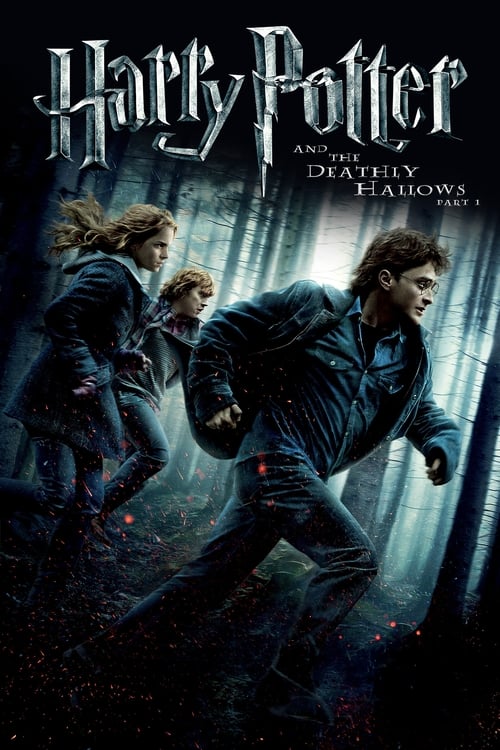
Harry Potter and the Deathly Hallows: Part 1 - Review
Harry Potter and the Deathly Hallows: Part 1 - A Journey into Darkness
The weight of the world, or rather, the wizarding world, rests heavily on the shoulders of a teenager. That’s the premise, the potent, palpable reality that permeates every frame of Harry Potter and the Deathly Hallows: Part 1. Gone are the comforting halls of Hogwarts, the reassuring presence of Dumbledore, and the familiar rhythm of lessons. Instead, we are plunged into a bleak and unforgiving landscape, both literal and metaphorical, as Harry, Ron, and Hermione embark on their most perilous and isolating quest yet. This isn't just another installment; it's a descent into the heart of darkness, a cinematic crucible where friendships are tested, loyalties are strained, and the very essence of hope hangs precariously in the balance.
Plot: Stripped Bare and Raw
Deathly Hallows: Part 1 deviates significantly from its predecessors in its pacing and structure. It’s a deliberate choice, mirroring the fragmented and desperate nature of the trio's mission. The film opens with a palpable sense of dread. Voldemort's power is ascendant, the Ministry of Magic has fallen, and the Death Eaters are tightening their grip on the wizarding world. The escape of Harry from Privet Drive is a chaotic and thrilling set piece, showcasing the vulnerability of even the most powerful wizards when confronted with overwhelming force.
The core of the film revolves around the search for Horcruxes, objects containing fragments of Voldemort’s soul that must be destroyed to render him mortal. This quest takes Harry, Ron, and Hermione on a grueling journey across the British countryside, constantly on the run, facing starvation, paranoia, and the ever-present threat of capture. The plot is deliberately slow-paced, focusing on the emotional and psychological toll of their isolation. There are long stretches with minimal action, emphasizing the tedium and despair of their situation. This is a film of quiet moments, of furtive whispers around campfires, of strained silences that speak volumes about the growing tensions within the group.
The Godric's Hollow sequence is a pivotal moment. It's a poignant and haunting return to the place where Harry's parents died, forcing him to confront his past and the immense burden he carries. The encounter with Bathilda Bagshot, revealed to be Nagini in disguise, is a masterclass in suspense and horror. The film culminates with Ron’s departure, fueled by the corrosive influence of a Horcrux and his own insecurities. This act of betrayal leaves Harry and Hermione utterly alone, facing an uncertain future.
Characters: Tested and Transformed
The strength of the Harry Potter series has always been its characters, and Deathly Hallows: Part 1 pushes them to their limits. Harry (Daniel Radcliffe) is no longer the wide-eyed boy wizard. He is haunted by visions, burdened by responsibility, and increasingly isolated. Radcliffe delivers a nuanced performance, conveying Harry's inner turmoil with a quiet intensity. He embodies the weariness and determination of a young man forced to grow up far too quickly.
Hermione (Emma Watson) remains the steadfast anchor of the trio. Her intelligence, resourcefulness, and unwavering loyalty are constantly tested. Watson portrays Hermione's strength and vulnerability with equal measure. She is the voice of reason, the keeper of knowledge, and the emotional support system for Harry. Her breakdown after Ron's departure is particularly heartbreaking, showcasing the emotional toll of their journey.
Ron (Rupert Grint) undergoes perhaps the most significant transformation. His insecurities and jealousy, always present in the previous films, are amplified by the influence of the Horcrux. Grint skillfully portrays Ron's inner conflict, his struggle to reconcile his love for his friends with his own self-doubt. His departure is a devastating blow to the group, highlighting the fragility of their bond.
The supporting characters, though appearing briefly, leave a lasting impression. Ralph Fiennes delivers a chilling performance as Voldemort, radiating an aura of pure evil. Helena Bonham Carter is deliciously unhinged as Bellatrix Lestrange, reveling in her cruelty and madness. Imelda Staunton, as Dolores Umbridge, makes a brief but memorable appearance, reminding us of the insidious nature of bureaucratic evil. Even characters like Xenophilius Lovegood (Rhys Ifans) and Kreacher (voiced by Timothy Spall) add depth and complexity to the narrative.
Direction: Deliberately Dreary and Masterfully Moody
David Yates, returning for his third Harry Potter film, establishes a distinct visual style that perfectly complements the darker tone of the story. Gone are the vibrant colors and whimsical settings of earlier installments. Instead, we are presented with a muted palette of grays, browns, and blues, reflecting the bleakness of the wizarding world under Voldemort's control. The film is deliberately slow-paced, allowing the atmosphere and emotions to simmer. Yates masterfully uses silence and stillness to create a sense of unease and tension.
Yates excels at creating visually striking and emotionally resonant scenes. The animated sequence illustrating the Tale of the Three Brothers is a beautiful and haunting interlude. The scene where Harry and Hermione dance in their tent, a brief moment of levity amidst the darkness, is both touching and heartbreaking. The attack on the Lovegood residence is a chaotic and terrifying sequence, showcasing the brutality of the Death Eaters.
However, the deliberate pacing and focus on atmosphere can sometimes feel sluggish. Some viewers may find the lack of action and the extended periods of isolation to be tedious. While the emotional depth is commendable, the film occasionally sacrifices narrative momentum in favor of character development.
Cinematography: A Visual Symphony of Despair
Eduardo Serra's cinematography is a crucial element in establishing the film's somber and oppressive atmosphere. He employs a desaturated color palette, emphasizing the grittiness and realism of the wizarding world. The landscapes are bleak and unforgiving, reflecting the emotional state of the characters. The use of natural light and shadows creates a sense of intimacy and vulnerability. The camera often lingers on the faces of the characters, capturing their emotions in minute detail.
Serra's use of close-ups is particularly effective in conveying the characters' inner turmoil. We see the weariness in Harry's eyes, the determination in Hermione's face, and the torment in Ron's expression. The cinematography also enhances the suspenseful moments, using shadows and darkness to create a sense of unease and dread. The forest scenes are particularly evocative, creating a sense of isolation and vulnerability.
The visual effects are seamlessly integrated into the film, enhancing the realism of the magical world. The Patronus charm, the Horcruxes, and the various spells are all rendered with impressive detail. The cinematography and visual effects work together to create a visually stunning and emotionally impactful experience.
Performances: Anchored by a Trio of Exceptional Talent
The performances in Deathly Hallows: Part 1 are uniformly excellent. Daniel Radcliffe delivers his most mature and nuanced performance as Harry Potter. He embodies the weight of responsibility and the growing darkness within him. Emma Watson is equally impressive as Hermione Granger, showcasing her intelligence, loyalty, and emotional strength. Rupert Grint shines as Ron Weasley, portraying his insecurities and internal conflict with remarkable depth.
The supporting cast is equally strong. Ralph Fiennes is terrifying as Voldemort, radiating an aura of pure evil. Helena Bonham Carter is deliciously unhinged as Bellatrix Lestrange, reveling in her cruelty and madness. Alan Rickman, as Severus Snape, continues to be enigmatic and compelling, his true allegiances remaining shrouded in mystery.
The performances are particularly noteworthy because they are so grounded and realistic. The actors convey the characters' emotions with subtlety and nuance, making them feel like real people facing extraordinary circumstances. The chemistry between Radcliffe, Watson, and Grint is palpable, making their friendship feel authentic and believable.
Themes and Messages: Sacrifice, Loyalty, and the Power of Hope
Deathly Hallows: Part 1 explores several complex themes, including sacrifice, loyalty, and the power of hope in the face of overwhelming darkness. The characters are constantly forced to make difficult choices, often at great personal cost. Harry's willingness to sacrifice himself for the greater good is a central theme of the film. Hermione's unwavering loyalty to Harry is also a testament to the power of friendship and commitment.
The film also explores the corrosive effects of fear and prejudice. Voldemort's rise to power is fueled by fear and hatred of those who are different. The Death Eaters represent the worst aspects of human nature, reveling in violence and oppression. The film also highlights the importance of resisting tyranny and standing up for what is right, even in the face of overwhelming odds.
Despite the darkness and despair, Deathly Hallows: Part 1 also offers a message of hope. The characters never give up, even when faced with seemingly insurmountable challenges. They find strength in their friendships, their love for one another, and their unwavering belief in the power of good. The film reminds us that even in the darkest of times, hope can still endure.
Comparison: A Departure from the Familiar
Deathly Hallows: Part 1 is a significant departure from the previous Harry Potter films. It is darker, slower-paced, and more emotionally complex. It shares some thematic similarities with other dystopian films, such as The Hunger Games, which also explores themes of oppression, resistance, and sacrifice. However, Deathly Hallows: Part 1 is unique in its focus on the emotional and psychological toll of war on young people.
Compared to David Yates's previous Harry Potter films, Deathly Hallows: Part 1 is more visually subdued and emotionally raw. He takes a more minimalist approach, focusing on character development and atmosphere rather than spectacle. While some viewers may miss the action and adventure of earlier installments, Deathly Hallows: Part 1 offers a more nuanced and thought-provoking exploration of the Harry Potter universe.
Positive Aspects: A Masterclass in Atmosphere and Character Development
Deathly Hallows: Part 1 excels in several areas. The atmosphere is perfectly crafted, creating a sense of unease and dread that permeates every scene. The character development is exceptional, allowing the audience to connect with the characters on a deeper emotional level. The performances are uniformly excellent, particularly from Radcliffe, Watson, and Grint. The cinematography is visually stunning, enhancing the film's somber and oppressive tone. The film also explores complex themes of sacrifice, loyalty, and hope in a thought-provoking and meaningful way.
Constructive Criticism: Pacing and Lack of Action
Despite its many strengths, Deathly Hallows: Part 1 is not without its flaws. The deliberate pacing and focus on atmosphere can sometimes feel sluggish. Some viewers may find the lack of action and the extended periods of isolation to be tedious. The film also suffers from being the first part of a two-part story, leaving some plot threads unresolved and lacking a satisfying conclusion. While the emotional depth is commendable, the film occasionally sacrifices narrative momentum in favor of character development.
Conclusion and Rating
Harry Potter and the Deathly Hallows: Part 1 is a bold and ambitious film that dares to deviate from the familiar formula of the Harry Potter series. It is a dark and emotionally complex journey into the heart of darkness, exploring themes of sacrifice, loyalty, and the power of hope in the face of overwhelming adversity. While the deliberate pacing and lack of action may not appeal to all viewers, the film's exceptional character development, stunning cinematography, and powerful performances make it a worthwhile and thought-provoking experience. It's a film that lingers in the mind long after the credits roll, prompting reflection on the choices we make and the sacrifices we are willing to endure for the sake of those we love.
Rating: 8.5/10