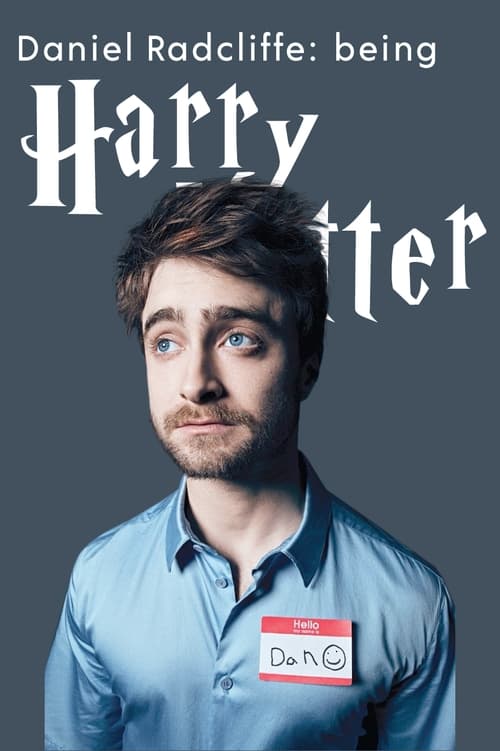
Daniel Radcliffe: Being Harry Potter - Review
Daniel Radcliffe: Being Harry Potter - A Look Behind the Magic
For a generation, Daniel Radcliffe was Harry Potter. The bespectacled boy wizard leapt off the pages of J.K. Rowling's beloved books and onto the silver screen, forever intertwining the actor's identity with the iconic character. But what was it like for Radcliffe himself? The 2012 made-for-television documentary, "Daniel Radcliffe: Being Harry Potter," attempts to answer that very question, offering a glimpse behind the curtain of one of the biggest film franchises in history and exploring the unique pressures and privileges that came with such a monumental role. Is it a revelatory exposé? Not exactly. But it's a compelling and often touching portrait of a young man growing up in the most extraordinary of circumstances.
Plot and Structure: A Journey of Self-Discovery
The documentary doesn't follow a traditional plot structure. Instead, it's more of a chronological journey, tracing Radcliffe's path from his initial audition for the role of Harry Potter at the tender age of 11, through the decade-long filming process, to the premiere of the final film, "Harry Potter and the Deathly Hallows – Part 2." The narrative is driven by interviews with Radcliffe himself, alongside insights from his co-stars, directors, producers, and even J.K. Rowling. We see snippets of behind-the-scenes footage, screen tests, and red-carpet events, all interwoven to paint a picture of Radcliffe's evolving relationship with the character and the franchise.
The documentary wisely avoids sensationalism. It doesn't delve into tabloid gossip or try to manufacture drama. Instead, it focuses on the more subtle and personal aspects of Radcliffe's experience. We see him grappling with the pressures of fame, the challenges of balancing childhood with a demanding career, and the complexities of separating himself from the character that defined him for so long. The structure is straightforward but effective, allowing the narrative to unfold organically and letting Radcliffe's own words take center stage.
Character Analysis: Daniel Radcliffe as Himself
The central "character" of the documentary is, of course, Daniel Radcliffe. What's most striking is his honesty and self-awareness. He doesn't shy away from discussing the difficulties he faced, admitting to feeling overwhelmed at times and acknowledging the immense pressure to live up to the expectations of fans worldwide. He speaks candidly about the challenges of maintaining a normal life while being constantly in the public eye, and the struggle to find his own identity outside of the Harry Potter persona.
Radcliffe comes across as intelligent, articulate, and remarkably grounded, especially considering the extraordinary circumstances of his upbringing. He expresses deep gratitude for the opportunities he was given and acknowledges the profound impact the Harry Potter films had on his life. He also demonstrates a genuine appreciation for the people he worked with, particularly his co-stars Rupert Grint and Emma Watson, who he describes as being like siblings to him. The documentary allows us to see Radcliffe not just as Harry Potter, but as a thoughtful and introspective young man navigating the complexities of fame and fortune.
The supporting "characters," including Rowling, directors Chris Columbus, Alfonso Cuarón, Mike Newell, and David Yates, and co-stars Grint and Watson, provide valuable context and perspective. Their anecdotes and observations offer a more complete picture of Radcliffe's journey and the collaborative effort that went into creating the Harry Potter films. They highlight his dedication, his work ethic, and his growth as an actor over the course of the decade.
Direction and Cinematography: A Functional Approach
The direction, while competent, is not particularly groundbreaking. The documentary relies heavily on archival footage, interviews, and behind-the-scenes glimpses, which are all presented in a straightforward and functional manner. There are no flashy stylistic flourishes or experimental editing techniques. The focus is clearly on the content, rather than the form.
The cinematography is similarly unobtrusive. The interviews are well-lit and framed, and the archival footage is presented clearly. However, there's nothing particularly memorable or visually striking about the documentary's aesthetic. It's a workmanlike approach that serves the purpose of conveying information effectively, but it doesn't necessarily elevate the material to a higher artistic level.
This isn't necessarily a criticism, as the documentary's strength lies in its content and its ability to provide an intimate portrait of Radcliffe. A more visually ambitious approach might have distracted from the central narrative and diluted the impact of his personal story.
Performances: Radcliffe's Authentic Voice
The "performance" in this context refers primarily to Radcliffe's on-camera presence and his ability to articulate his experiences. He delivers a compelling and authentic performance, speaking with honesty, vulnerability, and a refreshing lack of pretension. He doesn't try to sugarcoat the challenges he faced or exaggerate the triumphs he achieved. He simply shares his story in a straightforward and relatable way.
The other interviewees also contribute valuable insights, offering their perspectives on Radcliffe's journey and the impact of the Harry Potter films. Rowling's comments are particularly insightful, as she reflects on the process of adapting her books for the screen and the importance of finding the right actor to embody the character of Harry Potter. Grint and Watson provide a more personal perspective, sharing anecdotes about their experiences working alongside Radcliffe and the unique bond they formed over the course of the decade.
Themes and Messages: Growing Up Under the Spotlight
The documentary explores several key themes, including the challenges of growing up under the spotlight, the pressures of fame, the importance of identity, and the power of collaboration. It examines the unique difficulties Radcliffe faced as a child actor thrust into the global spotlight, and the impact this had on his personal development. It also highlights the importance of finding one's own identity outside of the roles we play, and the need to balance personal aspirations with professional obligations.
One of the central messages of the film is the importance of support and collaboration. The documentary emphasizes the collaborative effort that went into creating the Harry Potter films, and the importance of the relationships Radcliffe formed with his co-stars, directors, and crew members. It suggests that even in the face of immense pressure and scrutiny, it's possible to thrive with the support of a strong and dedicated team.
Another important theme is the burden of expectation. Radcliffe faced immense pressure to live up to the expectations of fans worldwide, and the documentary explores the challenges he faced in navigating this pressure. It suggests that while it's important to strive for excellence, it's also crucial to maintain a sense of perspective and to avoid letting the expectations of others define our own sense of worth.
Comparison to Other Films and Works
"Daniel Radcliffe: Being Harry Potter" can be compared to other documentaries that explore the lives of child actors or the making of major film franchises. For example, "Showbiz Kids" (2020) offers a broader look at the experiences of child actors in Hollywood, while "The Movies That Made Us" (Netflix series) provides behind-the-scenes insights into the making of iconic films. However, "Daniel Radcliffe: Being Harry Potter" is unique in its focus on a single actor and his specific experience within a single, massively successful franchise.
It's also worth comparing this documentary to other works that explore the Harry Potter phenomenon. Documentaries like "Creating the World of Harry Potter" (a series of documentaries included on the Harry Potter Blu-ray releases) offer a more comprehensive look at the making of the films, while "Harry Potter: A History of Magic" (BBC documentary) explores the literary and historical inspirations behind Rowling's books. However, "Daniel Radcliffe: Being Harry Potter" stands out for its focus on the personal journey of the actor at the heart of the franchise.
Unlike some celebrity documentaries that aim to create a specific, often idealized, image of their subject, "Daniel Radcliffe: Being Harry Potter" feels remarkably authentic. It doesn't shy away from the challenges and complexities of Radcliffe's experience, and it allows him to speak openly and honestly about his struggles and triumphs. This authenticity is what sets it apart from many other similar films and makes it a compelling and insightful viewing experience.
Positive Aspects
The documentary's strengths lie in its access to Daniel Radcliffe and his willingness to share his personal story. His honesty and self-awareness are refreshing, and his insights into the challenges of growing up under the spotlight are both compelling and relatable. The inclusion of interviews with his co-stars, directors, and J.K. Rowling adds valuable context and perspective, painting a more complete picture of his journey.
The documentary also does a good job of highlighting the collaborative effort that went into creating the Harry Potter films. It emphasizes the importance of the relationships Radcliffe formed with his colleagues and the support he received from his family and friends. This focus on collaboration is a welcome contrast to the often-individualistic narratives that dominate celebrity documentaries.
Furthermore, the documentary avoids sensationalism and tabloid gossip, focusing instead on the more subtle and personal aspects of Radcliffe's experience. This approach allows the narrative to unfold organically and lets Radcliffe's own words take center stage.
Constructive Criticism
While the documentary is generally well-made, it could benefit from a more visually engaging approach. The direction and cinematography are functional but unremarkable, and a more creative use of archival footage and visual storytelling techniques could have elevated the material to a higher artistic level.
Additionally, the documentary could have explored some of the more complex issues surrounding the Harry Potter franchise in greater depth. For example, it could have delved more deeply into the controversies surrounding the casting of certain actors or the creative differences that sometimes arose during the filming process. While the documentary is primarily focused on Radcliffe's personal journey, a more critical examination of the broader context of the Harry Potter phenomenon could have added another layer of depth and complexity.
Finally, the documentary could have benefited from a more structured narrative arc. While the chronological approach is effective in tracing Radcliffe's journey, it sometimes feels a bit disjointed and lacks a clear sense of purpose. A more focused narrative could have helped to create a more compelling and emotionally resonant viewing experience.
Conclusion and Rating
"Daniel Radcliffe: Being Harry Potter" is a compelling and insightful documentary that offers a rare glimpse behind the curtain of one of the biggest film franchises in history. While it may not be a groundbreaking work of cinematic art, it provides a valuable and often touching portrait of a young man growing up in the most extraordinary of circumstances. Radcliffe's honesty and self-awareness are refreshing, and his insights into the challenges of fame and identity are both relatable and thought-provoking. Despite some minor shortcomings in terms of direction and narrative structure, the documentary is ultimately a worthwhile viewing experience for Harry Potter fans and anyone interested in the lives of child actors.
Rating: 7.5/10