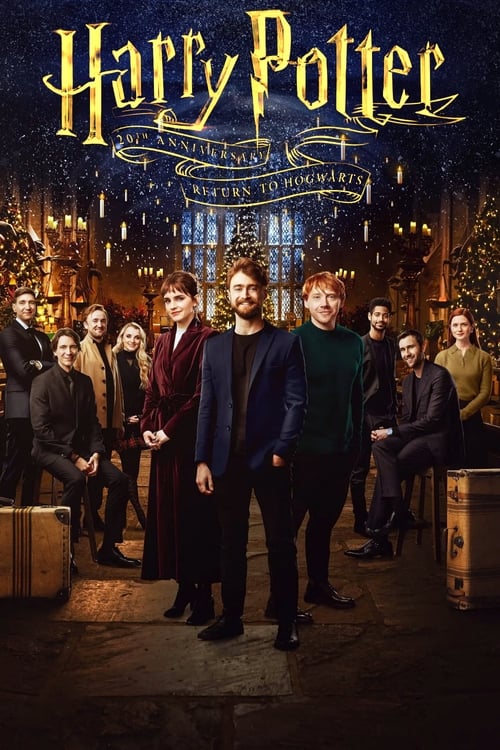
Harry Potter 20th Anniversary: Return to Hogwarts - Review
Harry Potter 20th Anniversary: Return to Hogwarts - A Nostalgic Potion of Memories
Twenty years. Two decades. An entire generation has grown up under the spell of Harry Potter. And with the release of "Harry Potter 20th Anniversary: Return to Hogwarts" on January 1st, 2022, HBO Max offered fans a potent dose of nostalgia, a chance to revisit the magic, the camaraderie, and the enduring legacy of a phenomenon that transcended books and films to become a cultural touchstone. More than just a reunion, this documentary is a heartfelt celebration, a behind-the-scenes glimpse into the making of a legend, and a poignant reflection on the impact of Harry Potter on the lives of those involved and the millions who embraced it.
Plot: A Journey Through Time and Magic
“Return to Hogwarts” isn't a traditional narrative documentary. It eschews a rigid chronological structure, opting instead for a thematic exploration of each film in the series. Each section focuses on a different movie, delving into specific aspects of its production, challenges faced, and memorable moments. The film primarily relies on intimate interviews with the core cast – Daniel Radcliffe, Emma Watson, and Rupert Grint – along with key supporting actors like Helena Bonham Carter, Ralph Fiennes, Gary Oldman, Robbie Coltrane (in what feels even more bittersweet now), and many others. Director Chris Columbus, who helmed the first two films and set the tone for the franchise, also features prominently, offering invaluable insights into the early days of adapting such a beloved book series.
The documentary weaves together these interviews with archival footage, behind-the-scenes snippets, and deleted scenes, creating a rich tapestry of memories. We see the young actors growing up on screen, grappling with the pressures of fame, forging lifelong friendships, and honing their craft. We hear about the casting process, the challenges of bringing the magical world to life, and the dedication of the crew who worked tirelessly to create the visual spectacle that defined the Harry Potter films. While it doesn't shy away from acknowledging the darker aspects of the later films, the overall tone remains celebratory and affectionate. The structure, while somewhat fragmented, allows for a deeper dive into specific moments and relationships, making it a more personal and engaging experience than a purely chronological recounting would have been.
Characters: Beyond the Wands and Spells
The heart of "Return to Hogwarts" lies in its characters, both fictional and real. While Harry, Hermione, and Ron are undeniably the central figures, the documentary wisely dedicates time to exploring the contributions of the supporting cast. We see the deep respect and affection the actors have for each other, and the genuine sense of family that developed over the decade they spent working together.
Daniel Radcliffe, Emma Watson, and Rupert Grint are particularly insightful. They are no longer the wide-eyed children we first met on screen. They are mature, reflective individuals who can now appreciate the profound impact Harry Potter had on their lives and careers. Radcliffe speaks candidly about the pressures of playing such an iconic role and the challenges of finding his own identity outside of the character. Watson reflects on the complexities of being a young woman navigating fame and the importance of Hermione's empowering portrayal of intelligence and strength. Grint, often the comic relief, offers a grounded perspective and heartfelt appreciation for the friendships he forged.
The documentary also pays tribute to the actors who have passed away, including Alan Rickman, Richard Harris, and Helen McCrory. These segments are particularly moving, highlighting the immense talent and contributions of these individuals and the void they left behind. The absence of certain cast members, notably Michael Gambon (who played Dumbledore from the third film onwards), is noticeable, but the documentary does a commendable job of celebrating the ensemble as a whole.
Direction: Steering the Ship of Nostalgia
The direction of "Return to Hogwarts" is handled with a delicate touch. It's not a flashy, visually groundbreaking documentary, but it doesn't need to be. Its strength lies in its intimacy and authenticity. The filmmakers prioritize capturing genuine emotions and heartfelt reflections over elaborate production design. The choice to film the reunion at Warner Bros. Studios, where the films were made, adds to the sense of nostalgia and allows the actors to reconnect with the physical spaces that hold so many memories.
The use of archival footage is particularly effective, juxtaposing the young actors on set with their present-day selves. This creates a powerful sense of time passing and highlights the transformative journey they have all undergone. The pacing is generally well-managed, although some segments could have benefited from more focused editing. There are moments where the documentary meanders slightly, dwelling on less significant details. However, these moments are few and far between, and the overall direction effectively captures the spirit of the Harry Potter phenomenon.
Cinematography: Painting with Memories
The cinematography in "Return to Hogwarts" is primarily focused on capturing the emotional nuances of the interviews. The camera work is unobtrusive, allowing the actors to speak freely and honestly. The use of natural lighting and close-up shots creates a sense of intimacy and vulnerability. The visual style is clean and modern, avoiding any unnecessary embellishments that would distract from the core message.
The integration of archival footage is seamless, blending old and new visuals in a way that enhances the storytelling. The documentary also makes effective use of stills from the films and behind-the-scenes photographs, further immersing the viewer in the world of Harry Potter. While the cinematography may not be groundbreaking, it serves its purpose admirably, creating a visually appealing and emotionally resonant experience.
Performances: The Magic Behind the Magic
The "performances" in "Return to Hogwarts" are, of course, not performances in the traditional sense. They are genuine expressions of emotion, reflection, and camaraderie. Daniel Radcliffe, Emma Watson, and Rupert Grint deliver particularly compelling performances, sharing their personal experiences with honesty and vulnerability. Their chemistry is undeniable, and it's clear that the bond they forged during the Harry Potter years remains strong.
The supporting cast also delivers memorable performances, sharing anecdotes and insights that shed light on the making of the films. Helena Bonham Carter, in particular, is a delight, bringing her trademark wit and eccentricity to the proceedings. Ralph Fiennes offers a more serious and introspective perspective, reflecting on the challenges of playing such a complex and iconic villain. The overall impression is one of genuine affection and respect, both for the Harry Potter franchise and for each other.
Themes and Messages: The Enduring Power of Connection
"Return to Hogwarts" explores several key themes and messages. The most prominent is the enduring power of connection. The documentary highlights the importance of friendship, family, and community, both on and off screen. The actors repeatedly emphasize the bond they forged during the Harry Potter years, a bond that has sustained them through the ups and downs of their careers. The film also underscores the importance of mentorship, celebrating the contributions of the directors, producers, and crew members who helped bring the Harry Potter world to life.
Another key theme is the transformative power of art. The documentary explores the impact of the Harry Potter books and films on the lives of both the creators and the audience. It highlights the ability of art to inspire, to connect, and to provide solace in times of need. The film also touches on the challenges of fame and the importance of staying grounded in the face of overwhelming success. Finally, "Return to Hogwarts" offers a poignant reflection on the passage of time and the enduring legacy of Harry Potter.
Comparison: A Nostalgic Journey Unlike Others
While many documentaries and reunion specials exist, "Return to Hogwarts" distinguishes itself through its depth of emotion and genuine connection. Unlike some superficial celebrity reunions, this documentary delves beneath the surface, exploring the personal journeys of the actors and the profound impact the Harry Potter experience had on their lives. It shares similarities with other making-of documentaries, such as those found on Blu-ray releases of major films, but it goes beyond simply recounting production details. It offers a more intimate and reflective perspective, making it a more compelling and emotionally resonant experience.
Compared to previous works by the directors and actors involved, "Return to Hogwarts" offers a unique glimpse into their personal and professional growth. We see how the Harry Potter experience shaped their careers and influenced their artistic choices. It's a testament to the enduring power of collaboration and the lasting impact of a truly iconic franchise.
Positive Aspects: A Spellbinding Celebration
The positive aspects of "Return to Hogwarts" are numerous. The documentary is a visually appealing and emotionally resonant celebration of the Harry Potter franchise. The interviews are insightful and engaging, offering a behind-the-scenes glimpse into the making of a legend. The archival footage is used effectively, creating a powerful sense of nostalgia. The film also does a commendable job of paying tribute to the actors who have passed away. The chemistry between the cast members is palpable, and the overall tone is one of genuine affection and respect. The documentary successfully captures the spirit of the Harry Potter phenomenon and its enduring appeal.
Constructive Criticism: A Few Minor Charms Needed
While "Return to Hogwarts" is a generally excellent documentary, it's not without its flaws. The pacing could be improved in certain sections, with some segments feeling slightly rushed or meandering. The absence of certain cast members, particularly Michael Gambon, is noticeable. While the documentary touches on the darker aspects of the later films, it could have benefited from a more in-depth exploration of these themes. The controversy surrounding J.K. Rowling's views is addressed briefly, but some viewers may feel that it is not given sufficient attention. Finally, the documentary could have benefited from a more structured narrative, rather than relying solely on thematic exploration.
Conclusion: A Magical Must-See for Potterheads
"Harry Potter 20th Anniversary: Return to Hogwarts" is a must-see for any fan of the Harry Potter franchise. It's a heartwarming and nostalgic celebration of a cultural phenomenon that has touched the lives of millions. The documentary offers a behind-the-scenes glimpse into the making of the films, explores the personal journeys of the actors, and celebrates the enduring power of connection. While it's not without its flaws, the overall experience is overwhelmingly positive. It's a fitting tribute to the magic, the friendship, and the legacy of Harry Potter.