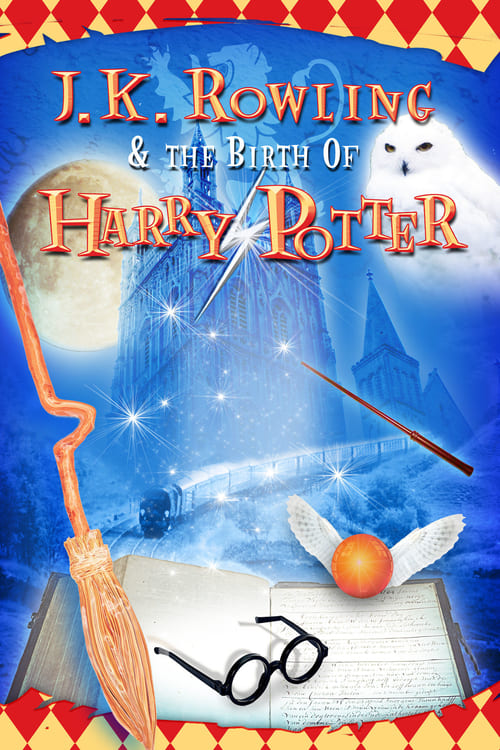
J.K. Rowling and the Birth of Harry Potter - Review
A Glimpse Behind the Magic: A Review of "J.K. Rowling and the Birth of Harry Potter"
Before wands were swished and Quidditch matches soared onto the big screen, before millions donned robes and dreamed of Hogwarts, there was J.K. Rowling. "J.K. Rowling and the Birth of Harry Potter," a 2004 documentary, attempts to peel back the layers of mystique surrounding the author and understand the genesis of a literary phenomenon that captivated the world. While unauthorized, this film offers a glimpse into the life and inspirations that fueled the creation of Harry Potter, a story that transformed Rowling from a struggling single mother into a global icon. But does it succeed in truly capturing the essence of the magic? This review delves into the documentary's strengths and weaknesses, exploring its narrative choices, visual presentation, and ultimately, its ability to illuminate the woman behind the wizarding world.
Plot and Narrative Structure
The documentary follows a chronological structure, beginning with Rowling's childhood and tracing her journey through various pivotal moments that shaped her both as a person and as a writer. It highlights her upbringing in Gloucestershire, her early interest in storytelling, the loss of her mother, and the difficult period she experienced while living in Portugal and later in Edinburgh as a single mother on welfare. These biographical details are interwoven with the development of the Harry Potter series, drawing connections between Rowling's personal experiences and the themes and characters that emerged in her books.
The film relies heavily on archival footage, news reports, and interviews with individuals who knew Rowling during different phases of her life. While Rowling herself does not appear in the documentary (due to its unauthorized nature), her story is pieced together through these secondary sources. The narrative structure is straightforward, aiming to present a comprehensive overview of her life and the circumstances that led to the creation and publication of the Harry Potter series. The documentary also explores the initial challenges Rowling faced in getting her book published and the subsequent explosion of popularity that followed.
One of the strengths of the narrative is its focus on the human element. It portrays Rowling as a relatable individual, struggling with personal loss, financial hardship, and the everyday challenges of raising a child. This humanizing approach allows viewers to connect with her on a deeper level and appreciate the magnitude of her achievement in the face of adversity.
Characters (or Lack Thereof)
Given its documentary format, "J.K. Rowling and the Birth of Harry Potter" doesn't feature traditional characters in the fictional sense. However, the individuals interviewed serve as key figures in Rowling's real-life story. These include family members, former teachers, friends, and literary agents. Their perspectives provide valuable insights into Rowling's personality, her creative process, and the impact of her work.
The absence of Rowling's direct participation is a notable limitation. While the documentary attempts to portray her through the eyes of others, it inevitably lacks the depth and nuance that her own voice could have provided. Nevertheless, the interviewees offer compelling anecdotes and observations that contribute to a multifaceted portrait of the author.
The documentary also implicitly portrays the "character" of Harry Potter itself. Through excerpts from the books and discussions about its themes, the film highlights the significance of the story and its impact on readers of all ages. Harry Potter, in a sense, becomes a character in the narrative of Rowling's life, representing the culmination of her creative vision and the source of her extraordinary success.
Direction and Cinematography
The direction of the documentary is fairly standard for its genre. It prioritizes clarity and information delivery over stylistic innovation. The film employs a mix of talking-head interviews, archival footage, and establishing shots of locations relevant to Rowling's life, such as her childhood home and the cafes in Edinburgh where she wrote. The pacing is generally well-maintained, keeping the viewer engaged without feeling rushed.
The cinematography is functional rather than visually striking. The focus is on capturing the essence of the interviewees and providing context through the visual depiction of locations. While there are no particularly memorable or innovative shots, the film is competently made and avoids any major visual distractions.
One area where the direction could have been improved is in the use of visual storytelling. While the documentary relies heavily on narration and interviews, it could have benefited from more creative use of visual imagery to illustrate key moments in Rowling's life and the development of the Harry Potter series. For example, incorporating animated sequences or visual metaphors could have added depth and visual interest to the narrative.
Performances (Interviewees)
As a documentary, "J.K. Rowling and the Birth of Harry Potter" doesn't feature actors in the traditional sense. However, the interviewees play a crucial role in bringing Rowling's story to life. Their performances – in the sense of their ability to convey their experiences and insights – are generally compelling and engaging.
The interviewees range from close family members who offer personal anecdotes to literary experts who provide contextual analysis of Rowling's work. Their perspectives are diverse and contribute to a well-rounded portrait of the author. Some of the most memorable moments in the documentary come from these personal accounts, which reveal the human side of Rowling and her journey to success.
However, it's important to acknowledge that the interviewees' perspectives are inherently subjective. Each individual brings their own biases and interpretations to the table. While the documentary attempts to present a balanced view, it's essential for viewers to remain critical and recognize that the film offers a particular interpretation of Rowling's life and work.
Themes and Messages
Several key themes emerge from "J.K. Rowling and the Birth of Harry Potter." One of the most prominent is the power of perseverance. The documentary highlights Rowling's unwavering determination to pursue her dream of becoming a writer, despite facing numerous obstacles and setbacks. Her story serves as an inspiration to aspiring artists and entrepreneurs, demonstrating that success is often the result of hard work, resilience, and a refusal to give up.
Another important theme is the transformative power of storytelling. The documentary emphasizes the impact of the Harry Potter series on readers of all ages, highlighting its ability to foster imagination, promote empathy, and provide a sense of community. The story of Harry Potter becomes a symbol of the power of literature to connect people and inspire positive change.
The documentary also touches on the theme of overcoming adversity. Rowling's personal struggles, including the loss of her mother and her experience as a single mother on welfare, are presented as formative experiences that shaped her as a person and as a writer. Her ability to overcome these challenges and achieve extraordinary success serves as a testament to the human spirit's capacity for resilience.
Finally, the documentary explores the theme of the price of fame. While it celebrates Rowling's achievements, it also acknowledges the challenges that come with being a global celebrity. The film touches on the pressures of public scrutiny and the difficulty of maintaining a private life in the face of intense media attention.
Comparison to Other Similar Films
"J.K. Rowling and the Birth of Harry Potter" can be compared to other biographical documentaries that explore the lives and careers of influential figures in literature and the arts. For example, documentaries about other famous authors, such as Ernest Hemingway or Jane Austen, often follow a similar format, combining biographical details with analysis of their work and its cultural impact.
However, the unauthorized nature of "J.K. Rowling and the Birth of Harry Potter" sets it apart from many other biographical documentaries. The absence of Rowling's direct participation limits the film's ability to offer a definitive or authoritative account of her life. In contrast, documentaries that are produced with the cooperation of the subject often have access to more intimate details and personal insights.
Another point of comparison is the documentary "Harry Potter: A History of Magic," which explores the historical and mythological influences that shaped the Harry Potter series. While "J.K. Rowling and the Birth of Harry Potter" focuses primarily on Rowling's personal life and creative process, "Harry Potter: A History of Magic" delves deeper into the intellectual and cultural context of her work.
Positive Aspects
The documentary successfully provides a comprehensive overview of J.K. Rowling's life and the circumstances that led to the creation of the Harry Potter series. It offers valuable insights into her personal struggles, her creative process, and the impact of her work on readers around the world.
The interviews with individuals who knew Rowling during different phases of her life provide compelling anecdotes and observations that contribute to a multifaceted portrait of the author. These personal accounts add depth and human interest to the narrative.
The documentary effectively highlights the themes of perseverance, the transformative power of storytelling, and overcoming adversity. These themes resonate with viewers and offer valuable life lessons.
The film's chronological structure and clear narration make it easy to follow and understand, even for viewers who are not familiar with Rowling's life or the Harry Potter series.
Constructive Criticism
The absence of Rowling's direct participation is a significant limitation. While the documentary attempts to portray her through the eyes of others, it inevitably lacks the depth and nuance that her own voice could have provided.
The cinematography and direction are fairly standard for the genre and could have been more visually engaging. The film could have benefited from more creative use of visual imagery to illustrate key moments in Rowling's life and the development of the Harry Potter series.
The documentary could have explored the complexities of Rowling's success and the controversies surrounding her work in more detail. While it touches on the price of fame, it doesn't fully address the challenges and criticisms that Rowling has faced in recent years.
The documentary relies heavily on narration and interviews, which can sometimes feel repetitive. Incorporating more diverse forms of storytelling, such as animated sequences or dramatizations, could have added variety and visual interest.
Conclusion
"J.K. Rowling and the Birth of Harry Potter" is a worthwhile watch for anyone interested in the life of the author and the creation of the Harry Potter series. While the unauthorized nature of the documentary limits its scope and depth, it still offers valuable insights into Rowling's personal struggles, her creative process, and the impact of her work on the world. The documentary's strengths lie in its comprehensive overview of Rowling's life, its compelling interviews, and its exploration of universal themes such as perseverance and the power of storytelling.
Despite its limitations, the documentary provides a fascinating glimpse behind the magic, revealing the human story behind one of the most successful literary franchises of all time. It serves as a reminder that even the most extraordinary achievements often begin with humble beginnings and a unwavering belief in oneself.
Rating: 7/10