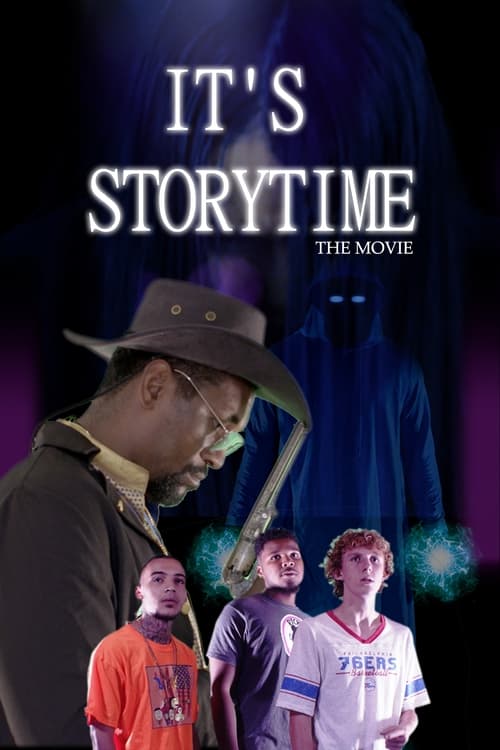
It's Storytime: The Movie - Review
It's Storytime: The Movie - A Whimsical, Uneven Journey into the Realm of Imagination
Anthology films are a tricky beast. They promise a buffet of narratives, a diverse tapestry of ideas woven together, but often fall prey to inconsistency, with some stories shining while others fizzle. "It's Storytime: The Movie," released on April 2nd, 2023, bravely enters this fray. Billed as a collection of six fantasy, supernatural, dramedy tales that are "a little spooky, a little scary, and a little funny," the film aims to capture the childlike wonder of storytelling while simultaneously delivering mature themes and unsettling moments. Does it succeed? The answer, much like the narratives it presents, is complex and multifaceted.
A Plot of Six Parts: Weaving the Narrative Tapestry
The film's structure is straightforward: six distinct stories presented back-to-back, each with its own unique characters, settings, and conflicts. Let's dissect each tale:
Story 1: The Whispering Well
The film opens with "The Whispering Well," a story about a young girl, Lily, who discovers an ancient well in her backyard. The well, as the title suggests, whispers secrets, promising Lily untold power and knowledge in exchange for a dark sacrifice. This segment sets a suitably spooky tone, leaning heavily into classic fairy tale horror. The pacing is deliberate, building suspense effectively, and the visual design of the well itself is genuinely unsettling.
Story 2: The Clockwork Heart
Next, we have "The Clockwork Heart," a steampunk-inspired romance about a brilliant but lonely inventor who creates a mechanical heart for a woman he loves. However, the heart comes with unforeseen consequences, blurring the lines between love, obsession, and control. This story offers a change of pace, moving from horror to a more melancholic and thought-provoking narrative. The animation style shifts slightly here, adopting a more stylized and angular aesthetic that complements the steampunk setting.
Story 3: The Goblin's Bargain
"The Goblin's Bargain" injects a dose of dark humor into the mix. A greedy merchant stumbles upon a goblin market and makes a deal for untold riches. Of course, the deal comes with a steep price, and the merchant soon learns that some things are more valuable than gold. This segment is perhaps the most overtly comedic, with exaggerated character designs and slapstick moments. However, beneath the humor lies a cautionary tale about the dangers of greed.
Story 4: The Shadow Collector
"The Shadow Collector" is arguably the darkest and most psychologically complex story of the anthology. It follows a reclusive artist who becomes obsessed with capturing the shadows of people he believes are "undeserving" of happiness. He believes he is doing them a favor by taking their shadow, but in reality he is draining their life force. This segment explores themes of envy, resentment, and the destructive power of obsession. The animation style is deliberately muted and unsettling, reflecting the artist's disturbed mind.
Story 5: The Star Weaver
"The Star Weaver" offers a welcome respite from the darkness, presenting a heartwarming story about a celestial being who weaves stars into constellations to guide lost travelers. When her loom breaks, she must venture down to Earth to find a way to repair it. This segment is visually stunning, with vibrant colors and ethereal character designs. It's a story about hope, perseverance, and the importance of connection.
Story 6: The Last Page
The anthology concludes with "The Last Page," a meta-narrative that ties all the previous stories together. A young writer struggling with writer's block discovers a mysterious book filled with the stories we've just witnessed. As he reads, he realizes that he is becoming a part of the stories themselves. This segment is clever and self-aware, offering a commentary on the power of storytelling and the blurred lines between reality and fiction. It also provides a somewhat ambiguous but satisfying conclusion to the overall film.
Characters: From Archetypes to Nuance
Given the anthology format, character development is necessarily limited. However, each story manages to create memorable characters that serve their respective narratives effectively. Lily in "The Whispering Well" is a believable portrayal of childhood curiosity and vulnerability. The inventor in "The Clockwork Heart" is a sympathetic figure, driven by love but ultimately blinded by his own desires. The greedy merchant in "The Goblin's Bargain" is a classic archetype, but his comeuppance is both satisfying and humorous. The Shadow Collector is perhaps the most complex character, his motivations rooted in deep-seated insecurity and resentment. The Star Weaver embodies kindness and compassion, while the writer in "The Last Page" represents the creative struggle that many artists can relate to.
One potential criticism is that some of the characters feel somewhat underdeveloped. In "The Whispering Well," for instance, we don't get much insight into Lily's life beyond her curiosity. Similarly, the woman who receives the clockwork heart in "The Clockwork Heart" could have benefited from more screen time to explore her perspective on the inventor's actions. However, given the constraints of the anthology format, the character development is generally sufficient to serve the needs of each story.
Direction and Cinematography: A Visual Feast
The film is directed by a team of animators, each responsible for the visual style of their respective story. This results in a diverse and visually engaging experience. "The Whispering Well" features a classic, gothic-inspired animation style with dark, muted colors and intricate details. "The Clockwork Heart" adopts a more stylized and angular aesthetic, reflecting the steampunk setting. "The Goblin's Bargain" is cartoonish and exaggerated, while "The Shadow Collector" is deliberately unsettling and muted. "The Star Weaver" is visually stunning, with vibrant colors and ethereal character designs. "The Last Page" blends elements of all the previous styles, creating a cohesive visual experience that ties the anthology together.
The cinematography is equally impressive, with each segment employing unique camera angles, lighting techniques, and visual effects to enhance the storytelling. The use of shadows and lighting in "The Whispering Well" creates a sense of unease and suspense. The intricate details of the clockwork heart in "The Clockwork Heart" are beautifully rendered. The exaggerated expressions of the characters in "The Goblin's Bargain" add to the comedic effect. The muted colors and unsettling imagery in "The Shadow Collector" reflect the artist's disturbed mind. The vibrant colors and ethereal effects in "The Star Weaver" create a sense of wonder and magic. The blending of styles in "The Last Page" is seamless and effective.
While the visual diversity is a strength, it also presents a potential weakness. The abrupt shifts in animation style between segments can be jarring at times, disrupting the overall flow of the film. A more cohesive visual aesthetic throughout the anthology might have created a more unified experience.
Performances: Voicing the Imagination
The voice acting in "It's Storytime: The Movie" is generally strong, with each actor bringing their respective characters to life with conviction and nuance. The young actress voicing Lily in "The Whispering Well" captures the character's curiosity and vulnerability perfectly. The actor voicing the inventor in "The Clockwork Heart" conveys the character's loneliness and desperation effectively. The actor voicing the greedy merchant in "The Goblin's Bargain" delivers a comedic performance that is both hilarious and unsettling. The actor voicing the Shadow Collector captures the character's obsession and resentment with chilling accuracy. The actress voicing the Star Weaver embodies kindness and compassion, while the actor voicing the writer in "The Last Page" portrays the creative struggle with relatable authenticity.
However, there are a few instances where the voice acting feels somewhat uneven. In "The Clockwork Heart," the voice acting for the woman who receives the clockwork heart could have been more nuanced. Similarly, in "The Goblin's Bargain," the voice acting for the goblins is a bit too cartoonish at times. However, these are minor criticisms, and overall the voice acting is a strong point of the film.
Themes and Messages: Exploring the Human Condition
"It's Storytime: The Movie" explores a wide range of themes and messages, including the dangers of greed, the power of love, the destructive nature of obsession, the importance of hope, and the transformative power of storytelling. "The Whispering Well" serves as a cautionary tale about the dangers of temptation and the importance of resisting the allure of easy power. "The Clockwork Heart" explores the complexities of love and the blurred lines between affection and obsession. "The Goblin's Bargain" highlights the dangers of greed and the importance of valuing things beyond material wealth. "The Shadow Collector" delves into the destructive nature of envy and resentment. "The Star Weaver" offers a message of hope and perseverance, reminding us that even in the darkest of times, there is always light to be found. "The Last Page" celebrates the power of storytelling and the ability of stories to connect us to each other and to ourselves.
The film's meta-narrative structure also allows it to comment on the nature of storytelling itself. "The Last Page" suggests that stories are not just entertainment, but also a way of understanding ourselves and the world around us. The writer's struggle with writer's block is a relatable experience for many artists, and the film suggests that the act of creation is a journey of self-discovery.
Comparisons: Standing on the Shoulders of Giants
"It's Storytime: The Movie" can be compared to other anthology films such as "Creepshow," "Tales from the Crypt," and "Trick 'r Treat." Like these films, "It's Storytime" blends horror, comedy, and fantasy to create a unique and engaging experience. However, "It's Storytime" distinguishes itself with its focus on animation and its more mature themes. The animation allows for a greater degree of visual creativity, while the mature themes elevate the film beyond simple entertainment.
The film can also be compared to previous works by the individual animators involved. While it's difficult to make specific comparisons without knowing the individual animators' previous work, it's likely that each animator brought their own unique style and sensibilities to their respective segment. This diversity is both a strength and a weakness of the film, as it creates a visually engaging experience but also disrupts the overall flow.
Positive Aspects and Constructive Criticism: A Balanced Perspective
Positive Aspects:
- The diverse and visually engaging animation styles.
- The strong voice acting performances.
- The thought-provoking themes and messages.
- The clever meta-narrative structure.
- The blend of horror, comedy, and fantasy.
Constructive Criticism:
- The abrupt shifts in animation style can be jarring at times.
- Some of the characters feel somewhat underdeveloped.
- The overall flow of the anthology could be improved.
- Some segments are stronger than others, leading to an uneven experience.
Conclusion: A Worthwhile, Though Imperfect, Collection of Tales
"It's Storytime: The Movie" is a worthwhile addition to the anthology film genre. While it suffers from some of the inherent weaknesses of the format, its strengths far outweigh its weaknesses. The diverse animation styles, strong voice acting performances, thought-provoking themes, and clever meta-narrative structure make it a unique and engaging experience. While the abrupt shifts in animation style and uneven pacing can be disruptive at times, the overall quality of the stories is high enough to make the film worth watching. If you're a fan of animation, fantasy, or anthology films, "It's Storytime: The Movie" is definitely worth checking out.
Rating: 7.5/10