Inside Out 2 - Review
Inside Out 2: Navigating the Turbulent Waters of Teen Angst
Pixar's Inside Out (2015) wasn't just a movie; it was a cultural phenomenon. It ingeniously visualized the inner workings of the human mind, giving us a vibrant and emotionally resonant story about growing up. Nine years later, Inside Out 2 arrives, promising to delve even deeper into the complexities of adolescence. But can it recapture the magic of the original while exploring the uncharted territory of teenage emotions? The answer, thankfully, is a resounding yes, albeit with a few minor stumbles along the way. Prepare to laugh, cry, and maybe even recognize a bit of yourself in Riley's ever-evolving emotional landscape.
A Plot Thicker Than Teenage Drama
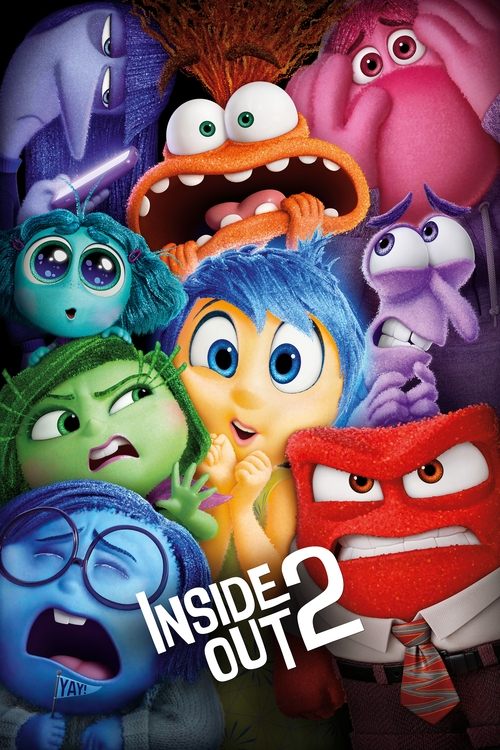
The film picks up a few years after the original, with Riley now a 13-year-old hockey enthusiast on the cusp of high school. Joy, Sadness, Anger, Fear, and Disgust are still diligently managing Riley's emotional headquarters, believing they have a good handle on things. However, puberty throws a wrench into their well-oiled machine. A "demolition" occurs, making way for a whole new crew of Emotions, led by the ever-present and anxiety-ridden Anxiety. She arrives with a clear mission: to protect Riley from future disappointments and ensure her success, even if it means suppressing the original emotions and taking control of the console.
Anxiety's arrival isn't a solo act. She brings along Envy, a small, green emotion who covets what others have; Embarrassment, a large, hulking emotion who wants to keep Riley hidden from the world; and Ennui (also known as boredom), a lethargic emotion who embodies the apathetic attitude often associated with teenagers. These new emotions, particularly Anxiety, immediately clash with the original five, leading to a power struggle that threatens to overwhelm Riley's sense of self.
The core of the plot revolves around Joy's desperate attempt to regain control of Riley's emotional headquarters and restore her to her former, more balanced self. She, along with Sadness, Anger, Fear, and Disgust, are banished to the back of Riley's mind, venturing into the depths of long-term memory, dream productions, and even the dreaded "Secrets" vault. Their journey is filled with challenges, both physical and emotional, as they navigate the treacherous landscape of Riley's subconscious and confront the consequences of suppressing difficult emotions.
While the premise is compelling and relatable, the plot does occasionally feel a bit rushed. The introduction of the new emotions, while effective, could have benefited from more nuanced development. Some of their motivations feel somewhat simplistic, particularly Envy and Embarrassment. However, the film quickly compensates for these minor shortcomings with its clever world-building and emotionally resonant storytelling.
Characters: A Deeper Dive into Emotional Complexity
Inside Out 2 truly shines in its character development. The original emotions, already well-established and beloved, are given more depth and nuance. Joy, in particular, undergoes a significant arc, realizing that her constant pursuit of happiness has inadvertently led to the suppression of other vital emotions. She learns to appreciate the value of sadness, anger, fear, and disgust in navigating the complexities of life. Sadness, often portrayed as a downer in the first film, becomes a source of comfort and empathy, demonstrating the importance of acknowledging and processing difficult feelings. Anger, Fear, and Disgust, while still providing comedic relief, also contribute to Riley's overall well-being, protecting her from harm and helping her make informed decisions.
The new emotions are equally compelling, particularly Anxiety. Voiced brilliantly by Maya Hawke, Anxiety is not simply a villain. She's a well-intentioned emotion driven by a deep-seated fear of failure and a desire to protect Riley from future pain. Her methods are often misguided and ultimately harmful, but her underlying motivations are understandable, making her a surprisingly sympathetic character. Ennui, voiced by Adèle Exarchopoulos, is a hilarious representation of teenage apathy, while Envy and Embarrassment, though less developed, still contribute to the overall emotional landscape of Riley's mind.
Riley herself is a more complex and relatable character in this film. She's no longer the carefree child we saw in the original. She's grappling with the pressures of adolescence, trying to fit in with her peers, and navigating the challenges of forming her own identity. Her struggles with anxiety, self-doubt, and the desire for acceptance are all portrayed with remarkable sensitivity and authenticity.
Returning characters like Bing Bong, while not physically present, are referenced in ways that tug at the heartstrings, reminding us of the emotional weight of the first film and the importance of cherishing our childhood memories. New characters, such as the "Deep Dark Secret" and the inhabitants of Riley's imagination, add a layer of surreal humor and further enrich the world-building.
Direction and Cinematography: A Visual Feast for the Senses
Kelsey Mann, making her feature directorial debut, does an exceptional job of capturing the emotional complexity of the story and translating it into a visually stunning experience. The direction is confident and assured, seamlessly blending humor, heart, and action. The pacing is generally well-managed, although the second act occasionally feels a bit rushed. Mann effectively utilizes visual metaphors to represent Riley's inner turmoil, creating a world that is both imaginative and emotionally resonant.
The cinematography is breathtaking. The animation is even more detailed and expressive than in the original film, with each emotion rendered with distinct visual characteristics. The color palette is vibrant and dynamic, reflecting the ever-changing emotional landscape of Riley's mind. The use of light and shadow is particularly effective in creating a sense of mood and atmosphere. The dream sequences are visually stunning, showcasing the boundless creativity of Pixar's animators.
The world-building is equally impressive. The different regions of Riley's mind, such as long-term memory, dream productions, and the "Secrets" vault, are all visually distinct and imaginatively designed. The attention to detail is remarkable, with each location filled with subtle visual cues that enhance the storytelling.
Performances: A Stellar Voice Cast
The voice cast of Inside Out 2 is simply outstanding. Amy Poehler reprises her role as Joy with her characteristic energy and optimism, while Phyllis Smith delivers another heartwarming performance as Sadness. Lewis Black perfectly embodies Anger's fiery temperament, and Tony Hale and Liza Lapira step into the roles of Fear and Disgust seamlessly, maintaining the essence of their characters. Maya Hawke steals the show as Anxiety, delivering a nuanced and emotionally resonant performance that captures the character's vulnerability and underlying motivations. Adèle Exarchopoulos is hilarious as Ennui, while Ayo Edebiri and Paul Walter Hauser bring a touch of levity to their roles as Envy and Embarrassment, respectively. Diane Lane and Kyle MacLachlan return as Riley's parents, providing a grounding presence and offering valuable insights into the challenges of parenting a teenager.
The vocal performances are not just technically proficient; they are emotionally authentic. Each actor brings their unique talents to the table, creating characters that are both believable and relatable. The chemistry between the voice actors is palpable, adding another layer of depth and authenticity to the storytelling.
Themes and Messages: Embracing the Full Spectrum of Emotions
Inside Out 2 explores a multitude of important themes, including the complexities of adolescence, the importance of embracing all emotions, the challenges of self-acceptance, and the power of friendship. The film's central message is that it's okay to not be okay. It's okay to feel anxious, envious, embarrassed, or bored. These emotions are a natural part of the human experience, and they play an important role in shaping our identity and helping us navigate the world.
The film also highlights the dangers of suppressing difficult emotions. Anxiety's attempts to control Riley's emotions ultimately lead to her becoming more stressed and overwhelmed. The film suggests that true emotional well-being comes from accepting and processing all of our feelings, both positive and negative.
Another important theme is the importance of self-acceptance. Riley struggles with self-doubt and the desire for acceptance from her peers. The film encourages viewers to embrace their individuality and to celebrate their unique qualities. It reminds us that true happiness comes from within, not from external validation.
Finally, the film emphasizes the power of friendship. Riley's friendships provide her with support and encouragement during a difficult time. The film suggests that strong social connections are essential for emotional well-being and that we should cherish the people who love and support us.
Comparison to Other Films and Previous Works
Inside Out 2 naturally invites comparisons to its predecessor, Inside Out. While the original film focused on the challenges of childhood and the importance of embracing change, the sequel delves deeper into the complexities of adolescence and the importance of self-acceptance. Both films are visually stunning, emotionally resonant, and intellectually stimulating. However, Inside Out 2 is arguably more mature and complex, tackling themes that are particularly relevant to teenagers and young adults.
The film also shares similarities with other animated films that explore the inner workings of the mind, such as Osmosis Jones and Herman's Head. However, Inside Out 2 stands out for its emotional depth, its relatable characters, and its visually stunning animation.
Kelsey Mann's direction in Inside Out 2 is a departure from Pete Docter's more whimsical style in the original. Mann's approach is more grounded and realistic, reflecting the more mature themes of the sequel. However, both directors share a commitment to creating emotionally resonant stories that resonate with audiences of all ages.
Positive Aspects and Constructive Criticism
Positive Aspects:
- Emotionally resonant and relatable story
- Well-developed and nuanced characters
- Outstanding voice performances
- Breathtaking animation and cinematography
- Thought-provoking themes and messages
- Clever world-building and visual metaphors
- Effective use of humor and heart
Constructive Criticism:
- The plot occasionally feels a bit rushed
- Some of the new emotions could have benefited from more nuanced development
- The second act could have been paced more evenly
Conclusion
Inside Out 2 is a triumph. It's a visually stunning, emotionally resonant, and intellectually stimulating film that tackles the complexities of adolescence with sensitivity and humor. While it may not quite reach the groundbreaking heights of the original, it's a worthy sequel that expands upon the world and characters we've come to love. It's a must-see for anyone who has ever experienced the rollercoaster of emotions that comes with growing up. Pixar has once again delivered a film that is both entertaining and thought-provoking, reminding us of the importance of embracing all of our emotions and celebrating our individuality.
Rating: 9/10