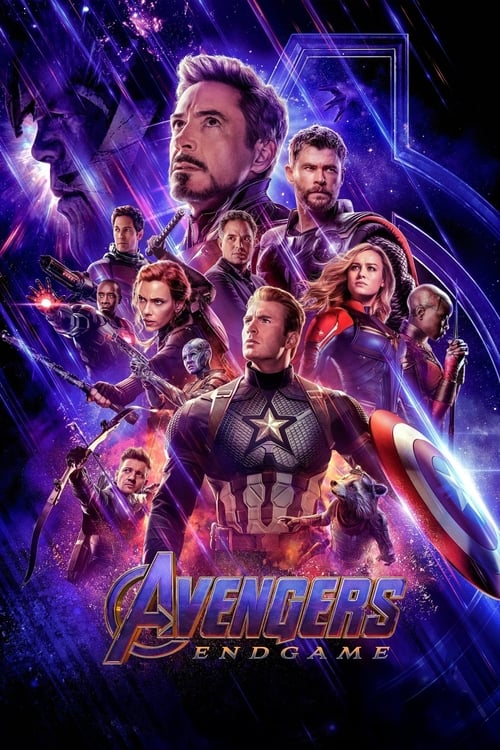
Avengers: Endgame - Review
Avengers: Endgame - A Titan-Sized Farewell and a New Beginning
The snap. A single, devastating moment that reshaped the Marvel Cinematic Universe (MCU) and left audiences worldwide reeling. Avengers: Infinity War concluded with the unthinkable: Thanos, the Mad Titan, victorious. The weight of that loss hung heavy, a somber prelude to what promised to be an epic conclusion. And so, we arrived at Avengers: Endgame, a film burdened with immense expectations, tasked with not only resolving the cliffhanger but also serving as a fitting send-off to a decade of interconnected storytelling. Did it succeed? Mostly, yes. Endgame is a monumental achievement in blockbuster filmmaking, a sprawling, emotionally resonant, and often thrilling culmination of a shared cinematic universe. However, even with its grand scale and crowd-pleasing moments, the film isn't without its flaws. This review delves into the complexities of Avengers: Endgame, exploring its plot, characters, themes, and impact, offering both praise and constructive criticism.
Plot: A Time-Traveling Heist and the Cost of Salvation
Endgame picks up in the immediate aftermath of Thanos's decimation. The surviving Avengers are fractured, grappling with grief, guilt, and a sense of utter defeat. Tony Stark is adrift in space, Nebula by his side, while Captain America attempts to hold together a shattered world. The early scenes are deliberately melancholic, showcasing the profound consequences of Thanos's actions. This extended period of mourning is crucial, establishing the emotional stakes and demonstrating the true cost of the Infinity War.
The film shifts gears when Ant-Man, Scott Lang, returns from the Quantum Realm, bringing with him the possibility of time travel. This introduces the central plot device: the "Time Heist." The Avengers, now joined by a resurrected Tony Stark, devise a plan to travel back in time, retrieve the Infinity Stones from different points in history, and undo Thanos's snap. This is where the film truly embraces its comic book roots, indulging in a complex and often convoluted time travel narrative. The Time Heist sequences are a mix of fan service, humor, and action, offering glimpses into beloved moments from previous MCU films, but also occasionally bordering on self-indulgence.
The heist itself is broken down into smaller missions, each focusing on different members of the team. This allows for character-specific moments and callbacks to previous films. We see Tony Stark grappling with his past decisions, Thor confronting his failures, and Captain America facing his own mortality. The emotional core of these sequences is often more compelling than the logistical challenges of time travel itself. The film cleverly uses the established rules of the MCU to justify the seemingly impossible, but the sheer complexity of the plot can be overwhelming at times.
The climax of Endgame is a truly epic battle against Thanos and his army. The Avengers, now bolstered by resurrected heroes, face off against the Mad Titan in a visually stunning and emotionally charged confrontation. This final battle is a culmination of everything that has come before, a testament to the power of teamwork, sacrifice, and unwavering hope. The resolution, while satisfying, comes at a significant cost, with key characters making ultimate sacrifices to save the universe.
Characters: Growth, Grief, and Goodbyes
Endgame is, at its heart, a character-driven story. The film dedicates significant screen time to exploring the emotional journeys of its core Avengers, allowing them to grapple with their past mistakes and find closure. Tony Stark, played with his signature wit and vulnerability by Robert Downey Jr., undergoes the most significant arc. His evolution from self-centered billionaire to selfless hero is complete, and his final sacrifice is both heartbreaking and triumphant. Downey Jr.'s performance is a masterclass in nuanced acting, capturing the complexities of a man burdened by responsibility and driven by a desire to protect those he loves.
Captain America, portrayed by Chris Evans, also faces a profound internal conflict. His unwavering commitment to duty and his desire for a normal life are constantly at odds. Endgame finally allows him to find peace, choosing to stay in the past with Peggy Carter, fulfilling a long-held desire. Evans delivers a powerful and understated performance, capturing the quiet strength and unwavering moral compass of the iconic hero.
Thor, played by Chris Hemsworth, experiences the most radical transformation. Burdened by guilt and grief over the loss of his family and his failure to stop Thanos, Thor retreats into isolation and self-destructive behavior. While some found his transformation into "Fat Thor" humorous, it also served as a poignant commentary on the devastating effects of trauma and loss. Hemsworth delivers a surprisingly vulnerable performance, showcasing Thor's vulnerability beneath his comedic exterior. However, some felt that Thor's arc was played too much for laughs, undermining the emotional weight of his struggles.
Other characters, such as Black Widow (Scarlett Johansson), Hulk (Mark Ruffalo), Hawkeye (Jeremy Renner), and Nebula (Karen Gillan), also have significant moments to shine. Black Widow's sacrifice is a particularly poignant moment, highlighting her selflessness and her unwavering loyalty to her team. Hulk's integration of Bruce Banner and the Hulk represents a significant step forward in his character development. Hawkeye's journey from grief-stricken vigilante to a member of the team again provides a compelling subplot. Nebula's arc is particularly compelling, as she confronts her past trauma and ultimately plays a crucial role in defeating Thanos. Thanos himself, played by Josh Brolin, remains a formidable and compelling villain, driven by his twisted sense of purpose.
Direction and Cinematography: A Grand Canvas for a Grand Finale
The Russo brothers, Anthony and Joe, return to direct Endgame, bringing their signature blend of action, humor, and emotional depth. They expertly balance the film's sprawling narrative, managing to give each character their due while maintaining a cohesive and engaging storyline. The action sequences are expertly choreographed and visually stunning, particularly the final battle against Thanos. The film's pacing is deliberate, allowing for moments of quiet reflection alongside the high-octane action. However, the film's length (over three hours) can feel excessive at times, and some scenes could have been trimmed without sacrificing the overall impact.
The cinematography, by Trent Opaloch, is visually impressive, capturing the scale and scope of the MCU. The film utilizes a variety of visual styles, from the gritty realism of the post-snap world to the vibrant colors of the time travel sequences. The visual effects are seamless and believable, bringing the fantastical elements of the story to life. The use of CGI is particularly impressive in the final battle, creating a truly epic and awe-inspiring spectacle.
Themes and Messages: Sacrifice, Hope, and Legacy
Endgame explores several important themes, including sacrifice, hope, and legacy. The film emphasizes the importance of sacrifice, both large and small, in the fight for good. The sacrifices made by Tony Stark, Black Widow, and others highlight the ultimate cost of heroism. The film also celebrates the power of hope in the face of adversity. Even in the darkest of times, the Avengers never give up on their belief that they can save the world. Finally, Endgame explores the concept of legacy. The film examines the impact of the Avengers' actions on the world around them and the importance of passing on the torch to future generations.
The film also touches upon themes of grief and trauma, exploring the emotional toll that the Infinity War takes on the surviving heroes. The film acknowledges the importance of processing grief and finding ways to cope with loss. It also highlights the importance of community and support in overcoming trauma.
Comparison to Other Films and Previous Works
Endgame is unlike any other film in the MCU, primarily due to its status as a culmination of ten years of storytelling. It draws heavily on previous films, referencing key moments and character arcs. In terms of scale and scope, it is comparable to other ensemble superhero films such as Justice League and X-Men: Days of Future Past, but Endgame surpasses these films in terms of emotional depth and character development. The Russo brothers' previous work on Captain America: The Winter Soldier and Captain America: Civil War prepared them well for the challenges of directing such a large-scale and complex film. Their ability to balance action, humor, and emotional depth is evident throughout Endgame.
Compared to Infinity War, Endgame is a more character-driven and emotionally resonant film. While Infinity War focused primarily on the action and the threat of Thanos, Endgame delves deeper into the emotional lives of the Avengers. The film also offers a more satisfying resolution than Infinity War, providing closure for many of the characters' storylines.
Positive Aspects
- Epic Scale and Scope: Endgame is a truly epic film, with a massive scale and scope that is rarely seen in cinema.
- Character Development: The film provides significant character development for the core Avengers, allowing them to grapple with their past mistakes and find closure.
- Emotional Resonance: Endgame is an emotionally resonant film that explores themes of sacrifice, hope, and legacy.
- Action Sequences: The action sequences are expertly choreographed and visually stunning, particularly the final battle against Thanos.
- Fan Service: The film is packed with fan service, providing callbacks to beloved moments from previous MCU films.
- Performances: The performances from the entire cast are exceptional, with Robert Downey Jr. and Chris Evans delivering particularly powerful performances.
Constructive Criticism
- Pacing: The film's length (over three hours) can feel excessive at times, and some scenes could have been trimmed without sacrificing the overall impact.
- Time Travel Complexity: The time travel plot can be convoluted and difficult to follow at times.
- Thor's Transformation: Some felt that Thor's transformation into "Fat Thor" was played too much for laughs, undermining the emotional weight of his struggles.
- Deus Ex Machina Elements: Certain plot resolutions rely on convenient coincidences or unexplained events.
Conclusion
Avengers: Endgame is a monumental achievement in blockbuster filmmaking. It is a sprawling, emotionally resonant, and often thrilling culmination of a decade of interconnected storytelling. While the film isn't without its flaws, its strengths far outweigh its weaknesses. Endgame is a fitting send-off to the original Avengers and a promising glimpse into the future of the MCU. It's a film that will stay with you long after the credits roll, prompting reflection on themes of sacrifice, hope, and the enduring power of heroism. It's a flawed masterpiece, but a masterpiece nonetheless.
Rating: 9/10