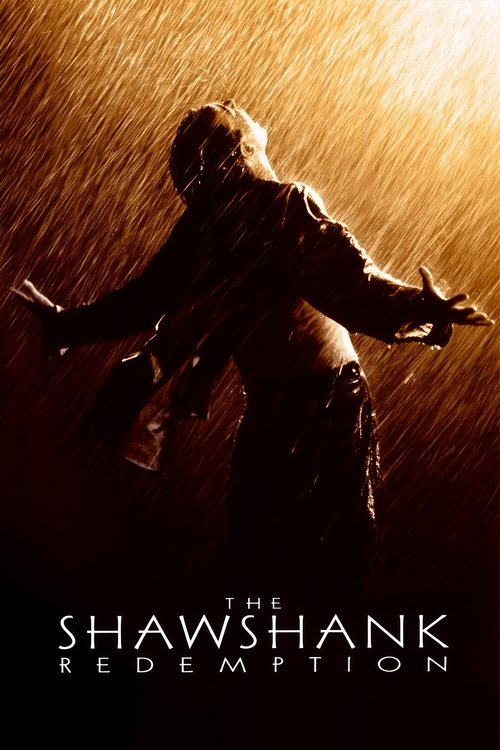
The Shawshank Redemption - Review
The Shawshank Redemption: A Timeless Tale of Hope and Resilience
The Shawshank Redemption, released on September 23, 1994, isn't just a film; it's a cultural touchstone. It's a story that has resonated with audiences for decades, consistently ranking among the greatest movies ever made. But what is it about this prison drama that continues to captivate and inspire? Is it the masterful storytelling, the compelling characters, or the profound themes of hope, perseverance, and redemption? Prepare to delve into the depths of Shawshank and explore why this film remains a cinematic masterpiece.
Plot Synopsis
The film centers around Andy Dufresne (Tim Robbins), a successful banker wrongly convicted of murdering his wife and her lover. Sentenced to two life sentences at the notorious Shawshank Penitentiary, Andy enters a brutal and corrupt world where survival is a daily struggle. He quickly learns the harsh realities of prison life, facing violence, exploitation, and the crushing weight of despair. However, Andy possesses an inner resilience and unwavering hope that sets him apart. He navigates the prison's treacherous landscape with quiet dignity, using his financial skills to gain favor with the guards and even the corrupt Warden Norton (Bob Gunton). Over two decades, Andy befriends Red (Morgan Freeman), a fellow inmate and the prison's "procurement officer," forming a bond that becomes the heart of the film. Through acts of kindness, intellectual pursuits, and a steadfast refusal to let the prison break his spirit, Andy inspires those around him and plants seeds of hope in the most unlikely of places. The film culminates in a meticulously planned and executed escape, a testament to Andy's patience, intelligence, and unwavering belief in freedom.
Character Analysis
Andy Dufresne (Tim Robbins)
Andy Dufresne is the embodiment of quiet strength and unwavering hope. Robbins delivers a nuanced performance, portraying Andy as an intelligent, reserved man who rarely reveals his inner thoughts. Initially, he appears vulnerable and out of place in the harsh prison environment. However, beneath the surface lies an unyielding spirit. Andy's refusal to be defined by his circumstances is his defining characteristic. He uses his skills to improve the lives of his fellow inmates, building a prison library and helping them obtain their GEDs. His acts of kindness and generosity are not merely altruistic; they are acts of defiance against the dehumanizing forces of Shawshank. Andy is not a passive victim; he is a quiet revolutionary, slowly chipping away at the walls of oppression, both literally and figuratively. His unwavering belief in his innocence and his dream of freedom fuels his perseverance and ultimately allows him to achieve the impossible.
Red (Morgan Freeman)
Red, played with gravitas and understated wisdom by Morgan Freeman, serves as the film's narrator and moral compass. He is a long-term inmate who has become institutionalized, believing that hope is a dangerous thing inside prison walls. Red is a pragmatist, understanding the brutal realities of Shawshank and adapting to survive. However, Andy's presence challenges Red's cynicism and gradually rekindles a spark of hope within him. Their friendship is the emotional core of the film, a testament to the power of human connection in the face of adversity. Red's parole hearings become a recurring motif, highlighting the soul-crushing nature of the prison system and the difficulty of reintegrating into society after decades of incarceration. Ultimately, Andy's influence inspires Red to break free from his own mental prison and pursue a life beyond Shawshank. Freeman's performance is masterful, his voice-over narration adding depth and resonance to the story. He embodies the complexities of a man who has lost hope but is ultimately redeemed by the unwavering optimism of his friend.
Warden Norton (Bob Gunton)
Warden Norton is the embodiment of institutional corruption and hypocrisy. Bob Gunton delivers a chilling performance as a man who uses religion and moral platitudes to mask his own greed and cruelty. Norton presents himself as a righteous and devout man, but he is, in reality, a ruthless manipulator who exploits the inmates for his own personal gain. He sees Andy as a valuable asset, using his financial skills to launder money and conceal his corrupt activities. Norton's control over Shawshank is absolute, and he will stop at nothing to maintain his power. He represents the corrupting influence of power and the dangers of unchecked authority. His downfall is a direct result of his own arrogance and hubris, a fitting end for a character who embodies the worst aspects of the prison system.
Heywood (William Sadler)
Heywood is a key member of Red's group of friends and provides a window into the everyday lives of the inmates. Sadler portrays Heywood as a tough but ultimately good-hearted man. Initially skeptical of Andy, Heywood gradually comes to respect him for his resilience and integrity. He represents the common inmate, someone who has made mistakes but is capable of redemption. His participation in Andy's schemes, albeit unknowingly at times, highlights the sense of camaraderie and shared purpose that develops among the prisoners. He is a reminder that even in the darkest of places, human connection and loyalty can endure.
Directorial Vision: Frank Darabont
Frank Darabont's direction of The Shawshank Redemption is masterful. He expertly balances the grim realities of prison life with moments of profound human connection and quiet beauty. Darabont's pacing is deliberate, allowing the story to unfold gradually and the characters to develop organically. He avoids sensationalism, opting for a more nuanced and realistic portrayal of prison life. His attention to detail is evident in every scene, from the meticulously recreated 1940s setting to the subtle performances of the actors. Darabont's use of visual storytelling is particularly effective, using imagery and symbolism to convey complex emotions and themes. The film's iconic moments, such as Andy standing in the rain after his escape or Red finally finding Andy on the beach in Zihuatanejo, are testaments to Darabont's ability to create visually stunning and emotionally resonant scenes. He understands the power of silence and allows the actors' performances to speak for themselves. Darabont's direction is not flashy or ostentatious; it is understated and effective, allowing the story and the characters to shine through.
Cinematography: Roger Deakins
Roger Deakins' cinematography is a crucial element in creating the film's atmosphere and visual impact. Deakins masterfully captures the oppressive environment of Shawshank, using dark and claustrophobic shots to convey the sense of confinement and despair. He also uses light and shadow to create dramatic contrast, highlighting moments of hope and redemption. The use of natural light is particularly effective, adding a sense of realism and authenticity to the film. Deakins' compositions are carefully crafted, often using symmetry and perspective to create a sense of order and balance within the chaotic prison environment. He also uses long shots to establish the vastness of the prison and the isolation of the inmates. The film's final scenes, shot in the bright sunlight of Zihuatanejo, are a stark contrast to the darkness of Shawshank, symbolizing the freedom and hope that Andy has achieved. Deakins' cinematography is not merely visually appealing; it is an integral part of the storytelling, enhancing the film's emotional impact and thematic resonance.
Performances: A Stellar Ensemble Cast
The Shawshank Redemption boasts an ensemble cast that delivers uniformly excellent performances. As mentioned earlier, Tim Robbins and Morgan Freeman are exceptional in their roles as Andy and Red, respectively. Their on-screen chemistry is palpable, and their performances are both nuanced and emotionally compelling. Bob Gunton is chilling as the corrupt Warden Norton, and William Sadler provides a memorable portrayal of Heywood. The supporting cast, including Clancy Brown as Captain Hadley and Gil Bellows as Tommy Williams, also deliver strong performances, adding depth and authenticity to the film. The actors embody their characters with conviction and believability, making the audience fully invested in their stories. The performances are not merely acting; they are portrayals of real human beings struggling to survive in extraordinary circumstances. The strength of the ensemble cast is a testament to Darabont's ability to elicit compelling performances from his actors.
Themes and Messages
The Shawshank Redemption is a film rich in themes and messages, exploring profound aspects of the human condition:
Hope
Hope is the central theme of the film. Andy's unwavering belief in hope, even in the face of seemingly insurmountable odds, is what allows him to survive and ultimately escape Shawshank. He inspires hope in others, particularly Red, who initially believes that hope is a dangerous thing. The film argues that hope is essential for human survival and that even in the darkest of circumstances, it is possible to maintain a belief in a better future.
Redemption
The film explores the theme of redemption, both in the literal sense of escaping prison and in the more metaphorical sense of finding inner peace and forgiveness. Andy's redemption comes through his perseverance and his unwavering belief in his innocence. Red's redemption comes through his friendship with Andy and his decision to break free from the mental prison of his own cynicism. The film suggests that redemption is possible for anyone, regardless of their past mistakes.
Perseverance
Andy's story is a testament to the power of perseverance. He faces countless obstacles and setbacks during his time in Shawshank, but he never gives up on his dream of freedom. He patiently plans his escape, chipping away at the walls of his cell for over two decades. The film emphasizes the importance of persistence and determination in achieving one's goals.
Friendship
The friendship between Andy and Red is the emotional heart of the film. Their bond provides them with support, companionship, and a sense of hope in the desolate environment of Shawshank. The film highlights the importance of human connection and the power of friendship to overcome adversity.
Institutionalization
The film explores the theme of institutionalization, the process by which long-term prisoners become dependent on the prison system and unable to function in the outside world. Red is a prime example of an inmate who has become institutionalized, believing that he is no longer capable of living a normal life. The film critiques the dehumanizing effects of the prison system and the challenges faced by inmates upon release.
Comparison to Other Films and Works
The Shawshank Redemption shares thematic similarities with other prison dramas, such as Cool Hand Luke (1967) and The Green Mile (1999), which was also directed by Frank Darabont. Like Cool Hand Luke, Shawshank features a protagonist who refuses to be broken by the system and inspires hope in his fellow inmates. Both films explore the themes of rebellion and the struggle for individual freedom. The Green Mile, also based on a Stephen King novella, shares Shawshank's focus on hope, redemption, and the power of human connection in the face of injustice. However, Shawshank distinguishes itself through its emphasis on long-term planning, intellectual pursuits, and the subtle acts of defiance that Andy employs to maintain his dignity and hope.
Compared to other works featuring Tim Robbins and Morgan Freeman, Shawshank stands out for its depth of character development and its exploration of complex themes. While both actors have delivered memorable performances in other films, their roles in Shawshank are arguably their most iconic and impactful. The film's enduring popularity is a testament to the power of the story and the strength of the performances.
Positive Aspects
- Compelling Storytelling: The film's narrative is expertly crafted, keeping the audience engaged from beginning to end.
- Memorable Characters: Andy, Red, and Warden Norton are all richly drawn and unforgettable characters.
- Strong Performances: The ensemble cast delivers outstanding performances, particularly Tim Robbins and Morgan Freeman.
- Beautiful Cinematography: Roger Deakins' cinematography enhances the film's atmosphere and visual impact.
- Profound Themes: The film explores universal themes of hope, redemption, perseverance, and friendship.
- Excellent Direction: Frank Darabont's direction is masterful, balancing the grim realities of prison life with moments of profound human connection.
- Engaging Narrative: The use of Red's narration adds depth and resonance to the story.
Constructive Criticism
- Pacing: Some viewers may find the film's pacing to be slow at times, particularly in the early scenes. However, the deliberate pacing allows for greater character development and thematic exploration.
- Violence: While the film avoids gratuitous violence, some scenes may be disturbing for sensitive viewers. However, the violence is necessary to depict the harsh realities of prison life.
- Simplistic Portrayal of Some Characters: While the main characters are well-developed, some of the supporting characters are portrayed in a somewhat simplistic manner.
Conclusion
The Shawshank Redemption is more than just a prison drama; it is a timeless tale of hope, resilience, and the enduring power of the human spirit. Frank Darabont's masterful direction, coupled with stellar performances from Tim Robbins, Morgan Freeman, and the entire ensemble cast, elevates the film to the status of a cinematic masterpiece. While the film may have a slow pace for some viewers, its deliberate storytelling allows for deep character development and exploration of profound themes. The film's enduring popularity is a testament to its universal appeal and its ability to resonate with audiences on a deeply emotional level. The Shawshank Redemption is a must-see for any film enthusiast and a reminder that even in the darkest of circumstances, hope can endure.
Rating
10/10
```