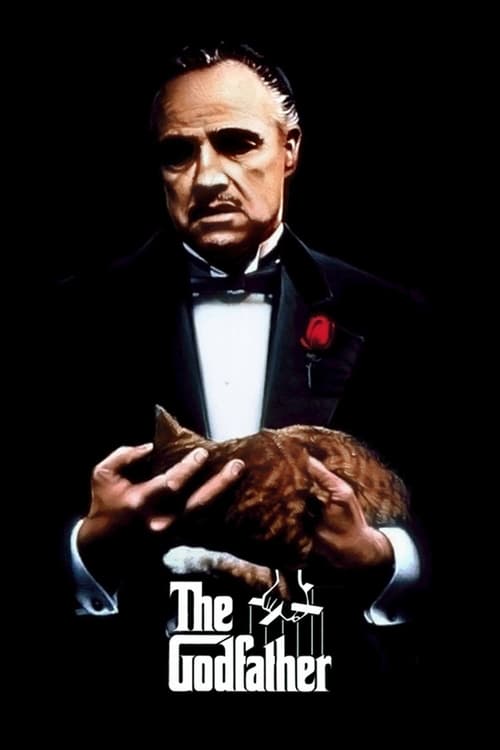
The Godfather - Review
A Godfather Among Films: A Comprehensive Review of "The Godfather"
In the annals of cinematic history, certain films transcend mere entertainment, etching themselves into the cultural landscape as timeless masterpieces. Francis Ford Coppola's "The Godfather," released in 1972, is undeniably one such film. More than just a gangster flick, it's a Shakespearean tragedy draped in the cloak of organized crime, a study of power, family, and the corrosive nature of ambition. To call it influential is an understatement; it redefined the gangster genre and continues to inspire filmmakers to this day. But does its enduring legacy hold up under scrutiny? Let's delve into the intricate world of the Corleones and dissect what makes "The Godfather" a truly unforgettable cinematic experience.
Plot: A Descent into Darkness
The film opens with the lavish wedding of Connie Corleone, a scene brimming with life, music, and the boisterous energy of a close-knit Italian-American community. This vibrant celebration serves as a stark contrast to the darkness that slowly envelops the Corleone family. Don Vito Corleone, the patriarch, is a man of immense power and influence, dispensing favors and justice within his own code of honor. However, his refusal to enter the burgeoning narcotics trade puts him at odds with rival families, leading to a brutal assassination attempt that leaves him clinging to life.
As Vito recovers, his youngest son, Michael, a decorated war hero initially reluctant to join the family business, steps forward to protect his father and avenge the attack. This act marks the beginning of Michael's transformation, a descent from an idealistic young man into a ruthless and calculating Don. The plot unfolds with meticulous pacing, showcasing the intricate web of alliances, betrayals, and violence that characterize the world of organized crime. From the shocking horse head scene to the climactic baptism montage, where Michael orchestrates a series of assassinations while simultaneously acting as godfather to his nephew, the film is filled with iconic moments that sear themselves into the viewer's memory.
The narrative is not simply a chronicle of gang warfare; it's a carefully constructed character study. We witness the slow erosion of Michael's soul as he embraces the role of Don, sacrificing his personal relationships and moral compass in the pursuit of power. The film masterfully balances the grand narrative of the Corleone family's rise and fall with the intimate portrayal of its members, making their struggles and sacrifices all the more poignant.
Characters: Flawed Gods and Tragic Heroes
The strength of "The Godfather" lies not only in its compelling plot but also in its richly developed characters. Each member of the Corleone family is a complex individual with their own motivations, flaws, and vulnerabilities.
Vito Corleone (Marlon Brando): The Old World Patriarch
Marlon Brando's portrayal of Don Vito Corleone is legendary. He embodies the old-world values of honor, loyalty, and family, while simultaneously projecting an aura of quiet menace. Brando's performance is subtle yet powerful, conveying Vito's strength and authority through his deliberate movements, gravelly voice, and piercing gaze. He is a man who believes in resolving conflicts through negotiation and compromise, but is not afraid to resort to violence when necessary. Vito represents a dying breed, a patriarch struggling to maintain his traditional values in a rapidly changing world.
Michael Corleone (Al Pacino): The Reluctant Don
Al Pacino's performance as Michael Corleone is arguably the most transformative in cinematic history. We witness his evolution from a bright, idealistic young man into a cold, ruthless Don. Pacino masterfully portrays Michael's internal conflict, his initial reluctance to embrace the family business, and his gradual acceptance of his destiny. His eyes, initially filled with hope and innocence, slowly become hardened and devoid of emotion as he descends further into the world of crime. Michael's transformation is a tragic one, a testament to the corrupting influence of power.
Sonny Corleone (James Caan): The Hot-Headed Heir
James Caan delivers a memorable performance as Sonny Corleone, the eldest son and heir apparent to the Corleone empire. Sonny is impulsive, hot-headed, and prone to violence, making him a liability to the family. While fiercely loyal and protective of his loved ones, his recklessness ultimately leads to his downfall. Sonny represents the more traditional, brute-force approach to organized crime, a stark contrast to Michael's calculated and strategic approach.
Tom Hagen (Robert Duvall): The Consigliere
Robert Duvall's portrayal of Tom Hagen, the Corleone family's consigliere (advisor), is understated yet essential. Tom is not a blood relative but is treated as a member of the family. He is intelligent, pragmatic, and serves as a voice of reason within the often-chaotic world of the Corleones. Duvall's performance is subtle but effective, conveying Tom's loyalty and dedication to the family.
Kay Adams (Diane Keaton): The Outsider
Diane Keaton plays Kay Adams, Michael's girlfriend and later wife, representing the outsider's perspective on the Corleone family. Kay is initially unaware of the true nature of Michael's business, and her growing realization of his involvement in organized crime leads to a growing sense of disillusionment and despair. Keaton's performance is nuanced, portraying Kay's internal struggle between her love for Michael and her horror at the world he inhabits.
Direction: Coppola's Masterful Hand
Francis Ford Coppola's direction of "The Godfather" is nothing short of masterful. He weaves together a complex narrative with meticulous attention to detail, creating a world that is both authentic and compelling. Coppola's use of long takes, slow zooms, and carefully composed shots creates a sense of intimacy and immediacy, drawing the viewer into the heart of the Corleone family. He understands the power of silence and allows the actors' performances to speak for themselves. His ability to balance the grand narrative with the intimate character studies is a testament to his skill as a storyteller.
Coppola's vision was crucial in shaping the film's tone and atmosphere. He resisted studio pressure to portray the Corleones as stereotypical gangsters, instead focusing on their humanity and their internal struggles. This approach elevated the film beyond the genre and transformed it into a timeless work of art.
Cinematography: A Canvas of Darkness and Light
Gordon Willis's cinematography in "The Godfather" is iconic and groundbreaking. He employs a distinctive style known as "low-key lighting," characterized by deep shadows and stark contrasts. This visual approach creates a sense of darkness and mystery, reflecting the morally ambiguous world of the Corleones. The shadows often conceal faces and expressions, adding to the sense of intrigue and unease.
Willis's use of light and shadow is not merely aesthetic; it's also symbolic. The darkness represents the corruption and violence that permeate the Corleone family, while the light represents the fleeting moments of hope and innocence. The wedding scene, with its bright colors and vibrant energy, stands in stark contrast to the dimly lit interiors of the Corleone mansion, reflecting the family's descent into darkness.
The cinematography also contributes to the film's sense of intimacy. Willis often uses close-ups to capture the actors' expressions, allowing the viewer to connect with their emotions on a deeper level. The camera movements are deliberate and restrained, drawing attention to key details and enhancing the film's overall impact.
Performances: A Symphony of Talent
The performances in "The Godfather" are universally acclaimed and considered among the finest in cinematic history. The ensemble cast delivers a symphony of talent, each actor bringing depth and nuance to their respective roles.
As mentioned previously, Marlon Brando and Al Pacino deliver career-defining performances as Vito and Michael Corleone. Their portrayals are iconic and have influenced countless actors since. James Caan, Robert Duvall, and Diane Keaton also deliver memorable performances, adding depth and complexity to the supporting characters.
The film's success is due in no small part to the chemistry between the actors. They convincingly portray the dynamics of a close-knit family, with all its love, loyalty, and internal conflicts. The actors' commitment to their roles and their ability to embody the characters' emotions make "The Godfather" a truly immersive and unforgettable experience.
Themes and Messages: Power, Family, and Corruption
"The Godfather" explores several complex themes, including power, family, and corruption. The film examines the nature of power and its corrupting influence on individuals and institutions. Michael's transformation from an idealistic young man into a ruthless Don is a testament to the seductive nature of power and the sacrifices one must make to attain and maintain it.
Family is another central theme of the film. The Corleone family is bound together by loyalty, tradition, and a shared sense of identity. However, the family's involvement in organized crime ultimately tears them apart, leading to betrayal, violence, and loss. The film suggests that even the strongest family bonds can be strained by the corrupting influence of power.
Corruption is a pervasive theme throughout the film. The Corleone family operates outside the law, engaging in illegal activities and resorting to violence to achieve their goals. The film exposes the hypocrisy and moral decay that often accompany power and wealth. It suggests that corruption is not limited to the criminal underworld but can also infiltrate legitimate institutions, such as politics and law enforcement.
Ultimately, "The Godfather" is a cautionary tale about the dangers of unchecked ambition and the corrosive nature of power. It reminds us that the pursuit of wealth and status can come at a great cost, both to ourselves and to those we love.
Comparison to Other Films and Works
"The Godfather" has had a profound influence on the gangster genre, inspiring countless films and television shows. It is often compared to other classic gangster films, such as "Little Caesar" (1931), "Scarface" (1932), and "White Heat" (1949). However, "The Godfather" stands apart from these films in its scope, depth, and complexity.
Unlike many earlier gangster films, which focused on the rise and fall of individual criminals, "The Godfather" explores the inner workings of an entire criminal organization. It delves into the family dynamics, the political machinations, and the moral compromises that are necessary to survive in the world of organized crime.
Coppola's previous work, particularly "You're a Big Boy Now" (1966) and "The Rain People" (1969), showcased his emerging talent for character development and visual storytelling. However, "The Godfather" marked a significant leap forward in his career, establishing him as one of the most important filmmakers of his generation.
Al Pacino's performance in "The Godfather" is often compared to his later roles in other crime films, such as "Scarface" (1983) and "Heat" (1995). However, his portrayal of Michael Corleone remains his most iconic and influential performance.
Positive Aspects
- Compelling Plot: The narrative is intricate and engaging, filled with memorable moments and shocking twists.
- Richly Developed Characters: The characters are complex and believable, with their own motivations, flaws, and vulnerabilities.
- Masterful Direction: Coppola's direction is flawless, creating a world that is both authentic and compelling.
- Iconic Cinematography: Willis's cinematography is groundbreaking, creating a sense of darkness and mystery that perfectly complements the film's themes.
- Outstanding Performances: The ensemble cast delivers a symphony of talent, with Brando and Pacino giving career-defining performances.
- Timeless Themes: The film explores universal themes of power, family, and corruption that resonate with audiences to this day.
Constructive Criticism
- Pacing: The film's deliberate pacing may not appeal to all viewers. Some may find it slow or uneventful at times.
- Length: At nearly three hours long, the film requires a significant time commitment.
- Violence: The film contains graphic violence that may be disturbing to some viewers.
- Lack of Female Representation: While Diane Keaton delivers a strong performance, the film is primarily focused on male characters, and female characters are often relegated to supporting roles.
Conclusion
"The Godfather" is not just a great film; it's a cultural phenomenon. It's a masterpiece of storytelling, filmmaking, and acting that continues to captivate audiences generations after its release. While its deliberate pacing and graphic violence may not appeal to everyone, its compelling plot, richly developed characters, and timeless themes make it a truly unforgettable cinematic experience. It stands as a benchmark for the gangster genre and a testament to the power of cinema to explore the complexities of human nature. "The Godfather" earns its place among the greatest films ever made.