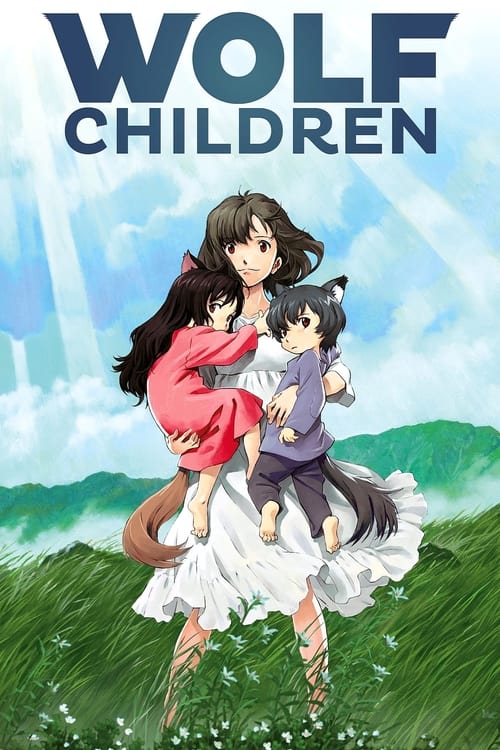
Wolf Children - Review
A Mother's Love, A Wolf's Heart: A Review of Mamoru Hosoda's 'Wolf Children'
Mamoru Hosoda's Wolf Children, released in 2012, isn't just an animated film; it's a poignant exploration of motherhood, identity, and the struggle to raise children in a world that doesn't understand them. It's a story that resonates with the universal challenges of parenthood, amplified by the extraordinary circumstance of raising half-human, half-wolf children. The film avoids the saccharine sentimentality often associated with family dramas, instead opting for a raw and honest portrayal of a mother's unwavering dedication and the children's journey to discover their true selves. Prepare to be moved, challenged, and ultimately captivated by this beautiful and thought-provoking masterpiece.
Plot Summary: A Life Less Ordinary
The film opens with Hana, a bright and determined college student, falling in love with a mysterious and enigmatic man. He reveals a secret: he is the last of the Japanese wolves, a species thought to be extinct. Their love blossoms, and they have two children, Yuki (snow) and Ame (rain), who inherit their father's wolf blood. Their lives are idyllic, albeit unconventional, until tragedy strikes. The wolf-man dies in an accident, leaving Hana a single mother struggling to raise her wolf children in the heart of Tokyo.
Facing societal pressures and the difficulties of hiding her children's true nature, Hana makes the difficult decision to move to the countryside. She buys a dilapidated farmhouse and, with no experience in farming, begins a challenging new life. In the rural setting, Yuki and Ame can freely shift between their human and wolf forms, but they also face the internal conflict of choosing which path to follow – the path of the wolf or the path of the human. As they grow older, their divergent personalities become more pronounced. Yuki yearns for a normal human life, craving the structure and companionship of school. Ame, on the other hand, is drawn to the wild, embracing his wolf instincts and the freedom of the forest. Hana supports them both, allowing them to choose their own destinies, even if it means letting them go.
The climax of the film sees a fierce storm engulfing the countryside. Yuki, attending school, is caught in the middle of a frightening situation. Ame, feeling the call of the wild, ventures out into the storm. Hana, torn between her children, must make a crucial decision that will determine their futures. The film culminates in a bittersweet resolution, acknowledging the sacrifices Hana has made and the individual paths Yuki and Ame have chosen.
Character Analysis: Hearts of Wolves and Humans
Hana: The heart and soul of the film, Hana is a remarkable character whose strength and resilience are truly inspiring. She's not a perfect mother, making mistakes and struggling with the overwhelming challenges of raising her children, but her unwavering love and dedication are what define her. She embodies selflessness, sacrificing her own dreams and desires to provide a safe and nurturing environment for Yuki and Ame. Hana's journey is one of constant learning and adaptation, as she navigates the complexities of motherhood in extraordinary circumstances. Her character development is gradual and believable, making her a relatable and sympathetic protagonist.
Yuki: The older sister, Yuki, is a spirited and adventurous child. Initially, she embraces her wolf nature, enjoying the freedom and wildness it offers. However, as she grows older, she becomes increasingly aware of the differences between herself and other children. She longs to fit in, to experience the normalcy of human society. This internal conflict drives her to suppress her wolf instincts and embrace her human side, leading her to attend school and make friends. Yuki's journey is one of self-discovery and acceptance, as she learns to navigate the complexities of identity and belonging.
Ame: In contrast to Yuki, Ame is a timid and introverted child in his early years. He is initially fearful of his wolf form and prefers the safety and comfort of his mother's presence. However, as he grows older, he becomes increasingly drawn to the wild, influenced by the teachings of an old fox who lives in the forest. Ame embraces his wolf instincts and finds solace in the natural world. His journey is one of self-acceptance and finding his place in the world as a creature of the wild. He represents the untamed spirit and the enduring power of nature.
The Wolf-Man: While his time on screen is limited, the Wolf-Man plays a crucial role in shaping the lives of Hana and their children. He represents the wild and untamed, a connection to a world that is slowly disappearing. His love for Hana is genuine and unconditional, and his death serves as the catalyst for the events that follow. He remains a mysterious and enigmatic figure throughout the film, but his influence is deeply felt.
Direction and Cinematography: Painting a World of Magic and Reality
Mamoru Hosoda's direction is masterful, seamlessly blending elements of fantasy and realism. He creates a world that feels both magical and grounded, allowing the audience to fully immerse themselves in Hana's extraordinary journey. Hosoda's attention to detail is evident in every frame, from the subtle nuances of the characters' expressions to the breathtaking beauty of the natural landscapes.
The film's cinematography is stunning, capturing the beauty and power of the Japanese countryside. The animation is fluid and expressive, bringing the characters to life with remarkable detail. The use of color is particularly effective, with vibrant hues used to depict the joy and freedom of the children's wolf forms, and more muted tones used to convey the challenges and hardships of Hana's life. The film's visual style is both aesthetically pleasing and emotionally resonant, enhancing the overall impact of the story.
The film's pacing is deliberate and thoughtful, allowing the audience to fully absorb the emotional weight of each scene. Hosoda avoids the pitfalls of excessive exposition, instead relying on visual storytelling and subtle character interactions to convey the film's themes and messages. The film's score, composed by Takagi Masakatsu, is equally effective, perfectly complementing the film's visuals and enhancing its emotional impact.
Themes and Messages: More Than Just a Fairy Tale
Wolf Children is a film rich in themes and messages, exploring the complexities of motherhood, identity, and the relationship between humanity and nature. At its core, the film is a celebration of a mother's unwavering love and dedication. Hana's selflessness and her willingness to sacrifice her own desires for the sake of her children are truly inspiring. The film also explores the challenges of raising children in a world that doesn't always understand them. Hana must protect her children from societal prejudice and help them navigate the complexities of their dual nature.
The film also delves into the themes of identity and belonging. Yuki and Ame must grapple with the question of who they are – are they human or wolf? They must choose which path to follow, and their choices ultimately define their individual destinies. The film suggests that identity is not fixed but rather a fluid and evolving concept. It's about finding your place in the world and embracing your true self, even if it means defying societal expectations.
The film also explores the relationship between humanity and nature. The wolf-man represents the wild and untamed, a connection to a world that is slowly disappearing. The film suggests that we have a responsibility to protect the natural world and to respect the creatures that inhabit it. Ame's decision to embrace his wolf nature and live in the forest is a powerful statement about the importance of preserving our connection to the natural world.
Comparisons: Echoes of the Past, Visions of the Future
Wolf Children shares thematic similarities with other animated films that explore the challenges of parenthood and the complexities of identity. Films like Brave (Pixar) and How to Train Your Dragon (DreamWorks) also feature protagonists who struggle with societal expectations and embrace their unique identities. However, Wolf Children stands apart in its nuanced portrayal of motherhood and its exploration of the relationship between humanity and nature.
In terms of Mamoru Hosoda's previous works, Wolf Children shares similarities with Summer Wars and The Girl Who Leapt Through Time. All three films feature strong female protagonists who face extraordinary challenges and demonstrate remarkable resilience. Hosoda's signature style, characterized by its blend of fantasy and realism, is also evident in all three films. However, Wolf Children is arguably Hosoda's most mature and emotionally resonant work to date.
One could also draw parallels to live-action films that deal with similar themes of raising children with unique abilities, such as X-Men. However, the focus in Wolf Children is less on the action and spectacle and more on the intimate emotional journey of Hana and her children. The film's strength lies in its ability to connect with audiences on a deeply personal level, making it a truly unforgettable cinematic experience.
Positive Aspects: A Triumph of Storytelling and Animation
Wolf Children is a triumph of storytelling and animation. The film's plot is engaging and emotionally resonant, the characters are complex and believable, and the animation is stunningly beautiful. Hosoda's direction is masterful, seamlessly blending elements of fantasy and realism. The film's themes are thought-provoking and relevant, exploring the complexities of motherhood, identity, and the relationship between humanity and nature.
The film's greatest strength lies in its ability to connect with audiences on a deeply personal level. Hana's struggles as a single mother are relatable, even if the circumstances are extraordinary. The film's message of unconditional love and acceptance is universal and inspiring. Wolf Children is a film that will stay with you long after the credits roll.
The voice acting is also exceptional, both in the original Japanese and the English dub. The actors perfectly capture the emotions and nuances of their characters, bringing them to life with remarkable authenticity. The film's score is equally effective, perfectly complementing the visuals and enhancing the emotional impact of the story.
Constructive Criticism: A Few Minor Imperfections
While Wolf Children is a near-perfect film, there are a few minor imperfections worth noting. The pacing, while generally deliberate and thoughtful, can feel slightly slow at times. Some viewers may find the film's ending to be somewhat ambiguous, leaving certain questions unanswered. However, this ambiguity can also be seen as a strength, allowing viewers to interpret the film's message in their own way.
Additionally, the film's portrayal of the wolf-man, while effective, could have been more fleshed out. His motivations and backstory remain somewhat mysterious, leaving the audience wanting to know more about his past and his connection to the wolf species. However, these minor imperfections do not detract significantly from the overall quality of the film.
Some might find the film's premise a bit far-fetched. However, the strength of the film lies in its ability to suspend disbelief and immerse the audience in its fantastical world. By focusing on the emotional realities of the characters, the film transcends its fantastical premise and becomes a powerful and relatable story about family, love, and identity.
Conclusion: A Timeless Masterpiece
Wolf Children is a timeless masterpiece that will resonate with audiences of all ages. It's a film that celebrates the power of love, the importance of family, and the beauty of the natural world. Mamoru Hosoda has created a truly unforgettable cinematic experience that will stay with you long after the credits roll. It is a film that deserves to be seen and appreciated for its artistry, its emotional depth, and its profound message.
Rating: 9.5/10