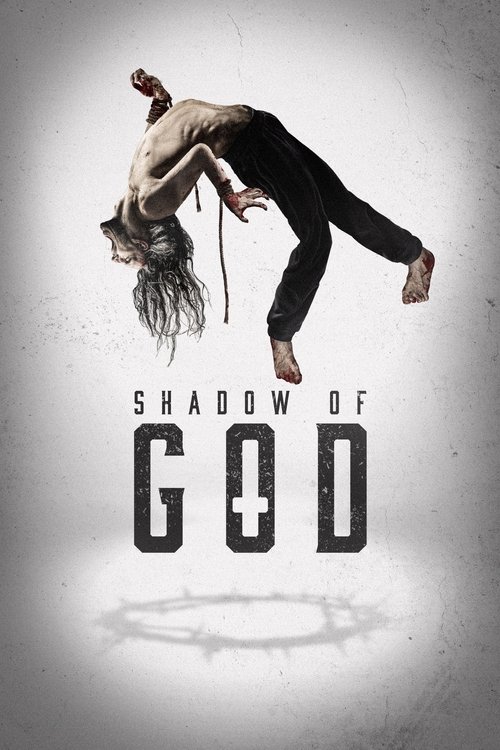
Shadow of God - Review
Shadow of God: A Horrifyingly Divine Dilemma
Shadow of God, released on March 26th, 2025, isn't just another possession horror flick. It's a theological thriller wrapped in a terrifying package, daring to ask the most blasphemous question imaginable: what if the demon you're fighting is actually God? Director Anya Sharma, known for her psychological horror debut, The Whispers Within, takes a bold leap into the realm of religious horror, delivering a film that is as intellectually stimulating as it is viscerally frightening. Prepare to question everything you thought you knew about good and evil, faith and doubt, because Shadow of God will leave you shaken to your very core.
Plot: A Descent into Divine Madness
The film centers around Father Elias Thorne (portrayed with captivating intensity by veteran actor Samuel Hayes), an exorcist renowned within the clandestine circles of the Catholic Church. Haunted by a childhood trauma involving his estranged and now ailing father, Father Thorne returns home to find his parent consumed by a mysterious illness – one that traditional medicine can't explain. Convinced his father is possessed, Thorne, against the explicit orders of the Church, initiates an unauthorized exorcism. This is where the narrative takes a sharp and unsettling turn.
As the exorcism progresses, Thorne witnesses increasingly bizarre phenomena. The entity within his father speaks in ancient tongues, displaying knowledge far exceeding any demonic influence he's encountered before. The possessed body exhibits signs of immense power, not just physical strength, but also the ability to manipulate the very fabric of reality around them. Thorne begins to question the nature of the entity he's battling. Is it a demon of unimaginable power? Or could it be something far more… divine?
The film masterfully unravels the mystery through a series of flashbacks, revealing the complex relationship between Thorne and his father, a former theologian who dedicated his life to deciphering obscure religious texts. These texts hint at a darker side of God, a side of wrath, judgment, and incomprehensible power. As Thorne delves deeper into his father's research, he uncovers a terrifying possibility: that God, in his infinite complexity, might be capable of both creation and destruction, of both love and unimaginable cruelty.
The climax is a brutal and psychologically taxing confrontation between Thorne and the entity. He's forced to make an impossible choice: condemn what might be a corrupted manifestation of God to save his father, or succumb to its influence and potentially unleash unimaginable chaos upon the world. The ambiguity of the entity's true nature is brilliantly maintained until the very end, leaving the audience to grapple with the uncomfortable questions the film raises long after the credits roll.
Characters: Broken Souls and Unbreakable Faith
Shadow of God boasts a cast of compelling characters, each grappling with their own internal demons.
- Father Elias Thorne (Samuel Hayes): Hayes delivers a career-defining performance as the tormented exorcist. He portrays Thorne as a man wrestling with his faith, his past, and the overwhelming responsibility of his calling. Hayes expertly conveys the character's inner turmoil, his unwavering determination, and his growing fear as he confronts the possibility of battling God himself.
- The Possessed Father (Anthony Blake): Blake is absolutely chilling as the possessed father. He masterfully embodies the entity, shifting between moments of lucidity and terrifying displays of power. His performance is both physically and vocally demanding, and he manages to create a truly unsettling presence on screen. The subtle nuances in his performance, particularly the moments where a flicker of the father's former self shines through, are particularly impactful.
- Sister Agnes (Isabelle Moreau): Moreau plays Sister Agnes, a young nun who assists Thorne in his exorcisms. She serves as a grounding force, offering a counterpoint to Thorne's increasingly desperate actions. Moreau brings a quiet strength and unwavering faith to the role, providing a much-needed sense of hope amidst the darkness.
- Father Michael (David Chen): Chen portrays Father Michael, Thorne's mentor and confidante. He represents the traditional, unwavering faith of the Church. Chen's performance is nuanced, showcasing both his concern for Thorne and his fear of the implications of Thorne's actions.
The strength of Shadow of God lies in its ability to create believable and relatable characters, even within the context of such an extraordinary scenario. The audience is invested in their struggles, their fears, and their ultimate fates.
Direction and Cinematography: Painting a Picture of Dread
Anya Sharma's direction is masterful. She creates a palpable sense of dread and unease from the opening scene, slowly ratcheting up the tension throughout the film. Sharma utilizes a variety of techniques to heighten the horror, including claustrophobic camerawork, jarring sound design, and strategic use of darkness. She avoids relying on cheap jump scares, instead opting for a more psychological and unsettling approach.
The cinematography, helmed by veteran cinematographer Mark Olsen, is equally impressive. Olsen employs a desaturated color palette, emphasizing the bleakness and despair of the film's setting. The use of shadows is particularly effective, creating a sense of mystery and uncertainty. The camera often lingers on the faces of the characters, capturing their fear, doubt, and desperation. The visual effects, while minimal, are seamlessly integrated into the film, enhancing the overall sense of realism.
Sharma and Olsen work in perfect synergy, creating a visually stunning and emotionally resonant horror experience. The film's atmosphere is thick with dread, and the audience is constantly kept on edge, never quite sure what to expect next.
Themes and Messages: Questioning the Unquestionable
Shadow of God is more than just a horror film; it's a thought-provoking exploration of faith, doubt, and the nature of God. The film raises several challenging questions, including:
- The Nature of God: Is God all-loving and benevolent, or is there a darker side to his nature? Can God be both creator and destroyer?
- The Limits of Faith: How far should faith be pushed? When does blind faith become dangerous?
- The Burden of Knowledge: Is some knowledge best left undiscovered? What are the consequences of seeking forbidden truths?
- The Power of Doubt: Can doubt be a strength rather than a weakness? Can doubt lead to a deeper understanding of faith?
The film doesn't offer easy answers to these questions. Instead, it encourages the audience to grapple with them themselves. Shadow of God challenges viewers to question their own beliefs and to consider the possibility that the divine might be far more complex and incomprehensible than they ever imagined.
Furthermore, the film explores the themes of familial trauma and the burden of responsibility. Father Thorne's relationship with his father is central to the narrative, and his desire to save his father is what ultimately drives him to confront the entity. The film suggests that our past experiences can shape our faith and our understanding of the world, and that the bonds of family can be both a source of strength and a source of pain.
Comparisons: Echoes of the Exorcist and Beyond
While Shadow of God draws obvious comparisons to The Exorcist, it distinguishes itself through its theological depth and its willingness to question the very foundations of religious belief. Unlike The Exorcist, which focuses primarily on the battle between good and evil, Shadow of God delves into the gray areas of morality and the complexities of the divine. The film also shares thematic similarities with films like The Witch and Hereditary, which explore the dark side of religious belief and the psychological toll of trauma.
Anya Sharma's previous film, The Whispers Within, explored themes of mental illness and the power of suggestion. While Shadow of God is a more ambitious and visually stunning film, it shares Sharma's interest in exploring the darker aspects of the human psyche. Both films are characterized by their psychological depth and their willingness to challenge the audience's expectations.
Samuel Hayes' performance in Shadow of God can be compared to his previous roles in films like The Apostle and Doubt, where he played characters grappling with their faith and their place in the world. However, his performance in Shadow of God is arguably his most nuanced and powerful to date.
Positive Aspects and Constructive Criticism
Shadow of God excels in several areas:
- Compelling Narrative: The plot is intricate and engaging, keeping the audience guessing until the very end.
- Strong Performances: The cast delivers outstanding performances, particularly Samuel Hayes and Anthony Blake.
- Atmospheric Direction and Cinematography: Anya Sharma's direction and Mark Olsen's cinematography create a palpable sense of dread and unease.
- Thought-Provoking Themes: The film raises challenging questions about faith, doubt, and the nature of God.
However, the film is not without its flaws:
- Pacing Issues: The film's pacing can be uneven at times, with some scenes feeling drawn out while others feel rushed. A more consistent pace would have enhanced the overall viewing experience.
- Occasional Exposition Dumps: The film occasionally relies on exposition dumps to explain the complex theological concepts, which can feel clunky and unnatural. A more subtle approach to exposition would have been preferable.
- Ambiguous Ending: While the ambiguous ending is intentionally provocative, some viewers may find it frustrating. A slightly more definitive resolution, even if still open to interpretation, might have been more satisfying.
Conclusion: A Divine Horror Masterpiece?
Shadow of God is a bold and unsettling horror film that dares to question the very nature of God. While not without its flaws, the film's compelling narrative, strong performances, atmospheric direction, and thought-provoking themes make it a truly memorable and disturbing experience. It's a film that will stay with you long after the credits roll, forcing you to confront your own beliefs and to consider the possibility that the divine might be far more complex and terrifying than you ever imagined.
Anya Sharma has cemented herself as a force to be reckoned with in the horror genre. Shadow of God is a significant step up from her debut, showcasing her growth as a director and her ability to craft truly unsettling and thought-provoking narratives.
Rating: 8.5/10