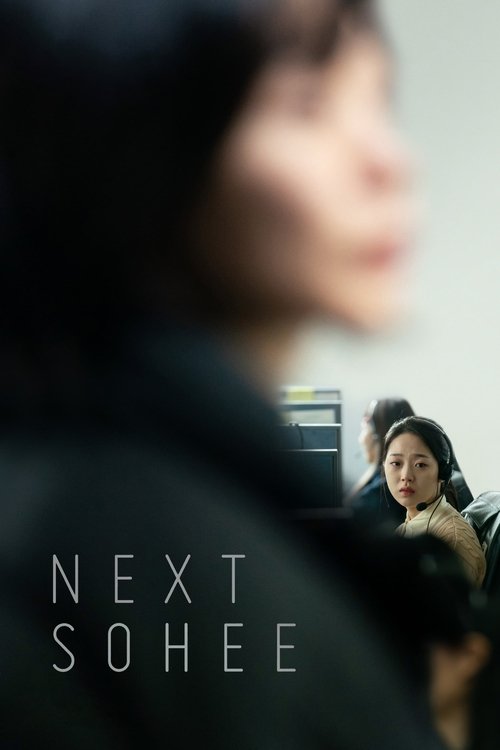
Next Sohee - Review
Next Sohee: A Gripping Descent into Corporate Exploitation and Systemic Failure
Next Sohee, arriving in US and Canadian cinemas on June 12, 2025, after its initial 2022 release, isn't just another crime thriller; it's a deeply unsettling mirror reflecting the dark realities of corporate exploitation and the devastating consequences of a system that prioritizes profit over human well-being. Director July Jung, known for her unflinching social commentary, delivers a powerful and emotionally resonant film that lingers long after the credits roll. The film's slow-burn narrative, coupled with its stellar performances, makes it a must-see for those seeking more than just entertainment; it's a call to awareness and a demand for change. Prepare to be moved, disturbed, and ultimately, challenged.
Plot: Unraveling the Threads of a Tragedy
The film initially presents two seemingly disparate narratives, skillfully interwoven by Jung's masterful direction. The first follows Sohee (Kim Si-eun), a bright and ambitious high school student thrust into the demanding world of a call center for a telecommunications company. Initially enthusiastic, Sohee quickly becomes disillusioned by the relentless pressure, the unrealistic targets, and the dehumanizing work environment. We witness her gradual descent into despair as she struggles to cope with the stress and the emotional toll of constant customer complaints and management's unwavering demands.
Parallel to Sohee's story is that of Detective Oh Yoo-jin (Bae Doona), a seasoned police officer assigned to investigate Sohee's mysterious death. Initially ruled as a suicide, Detective Oh's instincts tell her otherwise. As she delves deeper into Sohee's life and the circumstances surrounding her death, she uncovers a web of corporate negligence, exploitation, and systemic failures that contributed to the young girl's tragic fate. The investigation takes her from the sterile environment of the call center to the indifferent corridors of power, revealing a disturbing truth about the price of progress and the vulnerability of those at the bottom of the economic ladder.
The film's brilliance lies in its deliberate pacing. It doesn't rush to provide answers, instead, it meticulously builds tension and allows the audience to connect with Sohee's experiences and Detective Oh's growing sense of outrage. The narrative structure, initially fragmented, gradually coalesces, revealing the devastating connection between the two stories and exposing the systemic forces that led to Sohee's demise.
Characters: Driven by Desperation and a Quest for Justice
Sohee (Kim Si-eun): Kim Si-eun delivers a truly heartbreaking performance as Sohee. She portrays the character's initial optimism and enthusiasm with a youthful energy that makes her subsequent disillusionment all the more poignant. We witness her transformation from a bright-eyed student to a weary and emotionally drained worker, struggling to maintain her sanity in the face of relentless pressure. Kim Si-eun's nuanced portrayal captures the vulnerability and desperation of a young person trapped in a system that offers no escape. Her performance is not just compelling; it's a visceral reminder of the human cost of corporate greed.
Detective Oh Yoo-jin (Bae Doona): Bae Doona, a veteran actress known for her captivating performances, embodies Detective Oh with a quiet intensity and unwavering determination. She brings a sense of gravitas and empathy to the role, portraying a character who is both jaded by the realities of her job and deeply committed to seeking justice for the victims of the system. Detective Oh is not a typical action hero; she is a thoughtful and observant investigator, driven by a strong moral compass and a desire to uncover the truth, even when it's uncomfortable. Her transformation from a detached observer to a passionate advocate for Sohee is one of the film's most compelling aspects.
The Supporting Characters: The supporting cast effectively portrays the various facets of the exploitative system. From the callous and demanding managers at the call center to the indifferent school officials and the complicit corporate executives, each character contributes to the film's overall message about the systemic nature of the problem. They are not merely villains; they are products of a system that incentivizes profit over human well-being, highlighting the pervasiveness of the problem and the difficulty of assigning individual blame.
Direction and Cinematography: A Visual Symphony of Despair and Hope
July Jung's direction is masterful in its subtlety and restraint. She avoids sensationalism, instead opting for a realistic and understated approach that allows the story to speak for itself. Her focus on character development and emotional resonance elevates the film beyond a simple crime thriller, transforming it into a powerful indictment of corporate exploitation and social injustice. The pacing is deliberate, allowing the audience to fully immerse themselves in the characters' experiences and to grapple with the complex moral issues raised by the film.
The cinematography, by Kang Gook-hyun, is equally impressive. The film's visual style is characterized by a muted color palette and a focus on natural lighting, creating a sense of realism and emphasizing the bleakness of the characters' lives. The camera work is often intimate, focusing on the characters' faces and capturing their emotions with remarkable clarity. The use of long takes and static shots adds to the film's sense of realism and allows the audience to fully absorb the emotional weight of each scene. The visual contrast between the sterile environment of the call center and the more natural settings of Sohee's home and Detective Oh's investigation further emphasizes the dehumanizing effects of the corporate world.
Themes and Messages: A Call for Systemic Change
Next Sohee is not just a story about a young girl's death; it's a powerful exploration of several important themes:
- Corporate Exploitation: The film exposes the dark side of the corporate world, highlighting the ways in which companies prioritize profit over the well-being of their employees, particularly young and vulnerable workers. It reveals the dehumanizing effects of demanding targets, unrealistic expectations, and a lack of support for those struggling to cope with the pressure.
- Systemic Failure: The film argues that Sohee's death is not an isolated incident but rather a symptom of a larger systemic problem. It implicates not only the corporation but also the educational system, the government, and society as a whole in creating an environment that allows such exploitation to occur.
- The Loss of Innocence: Sohee's story is a tragic reminder of the loss of innocence experienced by young people who are forced to confront the harsh realities of the adult world too soon. The film explores the emotional toll of being thrust into a demanding and exploitative work environment, highlighting the vulnerability of young workers and the need for greater protection.
- The Pursuit of Justice: Detective Oh's unwavering pursuit of justice serves as a beacon of hope in a bleak and cynical world. Her determination to uncover the truth and hold those responsible accountable is a testament to the power of individual action and the importance of fighting for what is right, even in the face of overwhelming odds.
- Empathy and Connection: The film underscores the importance of empathy and connection in a world that often feels increasingly disconnected. Detective Oh's ability to connect with Sohee's story and to understand the pain and suffering she endured is what drives her investigation and ultimately leads her to uncover the truth.
The film's message is clear: we must demand systemic change to protect vulnerable workers from exploitation and to create a more just and equitable society.
Performances: A Masterclass in Nuance and Emotional Depth
The performances in Next Sohee are uniformly excellent, but Kim Si-eun and Bae Doona deserve particular praise. Kim Si-eun's portrayal of Sohee is heartbreakingly authentic, capturing the character's vulnerability, desperation, and ultimate despair with remarkable sensitivity. Bae Doona brings a quiet intensity and unwavering determination to the role of Detective Oh, portraying a character who is both jaded by the realities of her job and deeply committed to seeking justice. Their performances are not just technically proficient; they are emotionally resonant, drawing the audience into the characters' experiences and making them feel their pain and suffering.
The supporting cast also delivers strong performances, contributing to the film's overall sense of realism and authenticity. Each actor embodies their character with conviction, making them feel like real people caught in a complex and morally ambiguous situation.
Comparison to Other Films and Works
Next Sohee shares thematic similarities with other films that explore the exploitation of workers and the dark side of corporate power, such as:
- I, Daniel Blake (2016): Ken Loach's film portrays the bureaucratic struggles of a disabled man trying to navigate the UK's welfare system, highlighting the dehumanizing effects of government policies and the vulnerability of those on the margins of society.
- Sorry We Missed You (2019): Another Ken Loach film, this one focuses on a family struggling to make ends meet in the gig economy, exposing the precariousness of modern work and the exploitation of delivery drivers.
- Parasite (2019): Bong Joon-ho's Oscar-winning film explores the class divide in South Korea, highlighting the desperation of those living in poverty and the lengths they will go to in order to survive.
- Silkwood (1983): Mike Nichols' film tells the true story of Karen Silkwood, a nuclear plant worker who raised concerns about safety violations and was subsequently found dead under suspicious circumstances.
While Next Sohee shares these thematic similarities, it distinguishes itself through its focus on the specific experiences of young workers and the systemic nature of the problem. It's less about individual villains and more about the pervasive forces that contribute to exploitation and injustice.
In terms of July Jung's previous work, A Girl at My Door (2014), both films share a similar focus on social issues and marginalized characters. However, Next Sohee is arguably more ambitious in its scope and more explicit in its critique of corporate power.
Positive Aspects
- Powerful and Resonant Story: The film tells a compelling and emotionally resonant story that will stay with you long after the credits roll.
- Excellent Performances: The performances, particularly those of Kim Si-eun and Bae Doona, are outstanding.
- Masterful Direction: July Jung's direction is subtle, restrained, and highly effective.
- Thought-Provoking Themes: The film explores important themes about corporate exploitation, systemic failure, and the loss of innocence.
- Realistic and Authentic: The film feels grounded in reality, avoiding sensationalism and portraying the characters and their situations with authenticity.
Constructive Criticism
- Slow Pacing: The film's deliberate pacing may not appeal to all viewers. Some may find it too slow and uneventful. While intentional, it can feel drawn out at times.
- Bleak Tone: The film's bleak tone can be emotionally draining. Viewers should be prepared for a challenging and potentially upsetting experience. A slightly more optimistic thread might have broadened the film's appeal without sacrificing its core message.
- Lack of Resolution: While the film effectively exposes the systemic problems, it offers little in the way of concrete solutions. Some viewers may find this lack of resolution frustrating. The film can feel hopeless, and while that may be intentional, a glimmer of hope for change could have amplified the impact.
Conclusion
Next Sohee is a powerful and important film that deserves to be seen and discussed. It's a gripping crime thriller, a poignant character study, and a scathing indictment of corporate exploitation and systemic failure. While its slow pacing and bleak tone may not appeal to all viewers, its compelling story, excellent performances, and thought-provoking themes make it a truly unforgettable cinematic experience. It's a film that will challenge your assumptions, provoke your emotions, and leave you questioning the values of a society that prioritizes profit over human well-being. Despite its lack of easy answers, Next Sohee is a vital contribution to the ongoing conversation about social justice and the need for systemic change.