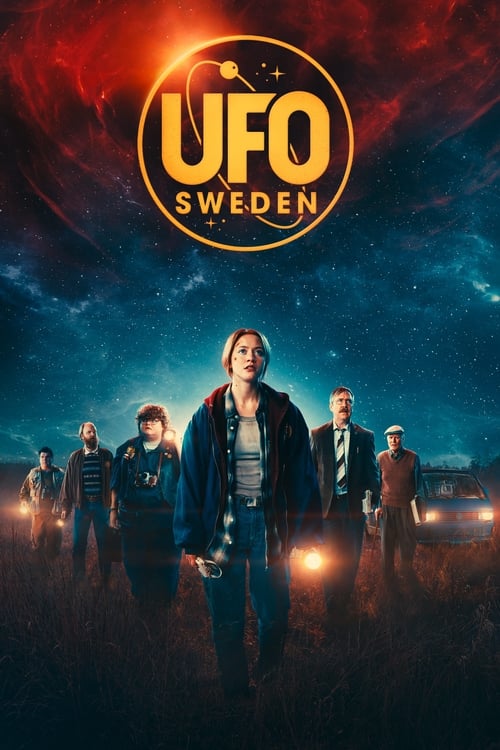
Watch the Skies - Review
"Watch the Skies": A Close Encounter of the Uneven Kind
The vast expanse of the night sky has always held a certain allure, a promise of the unknown that fuels our imaginations and sparks countless stories. "Watch the Skies," released on Christmas Day 2022, attempts to tap into this inherent fascination with UFOs and extraterrestrial encounters. Promising a blend of science fiction and adventure, the film follows a troubled teenager's quest to uncover the truth behind her father's disappearance, a truth that leads her down a rabbit hole of conspiracy theories and alleged alien abductions. While the film boasts an intriguing premise and moments of genuine excitement, its execution ultimately falls short of its ambitious goals, leaving the audience with a feeling of unfulfilled potential.
Plot: A Tangled Web of Belief and Conspiracy
The film centers around Sarah, a rebellious teenager bouncing between foster homes, haunted by the disappearance of her father years prior. Dismissed as a tragic accident, Sarah believes otherwise. She's convinced he was abducted by a UFO. Driven by this unwavering conviction, she seeks out the help of a local UFO enthusiasts association, a ragtag group of believers and skeptics led by the charismatic but somewhat eccentric David. Together, they embark on a journey to uncover the truth, venturing into remote areas known for alleged UFO sightings and confronting shadowy figures who seem determined to keep the truth buried.
The initial setup is compelling. Sarah's emotional vulnerability and unwavering belief create a strong foundation for the narrative. The introduction of the UFO association provides a diverse cast of characters, each with their own unique perspectives and motivations. However, as the story progresses, the plot becomes increasingly convoluted. The film throws in numerous subplots, including government conspiracies, unexplained phenomena, and personal dramas within the UFO association, which ultimately detract from the central narrative. The pacing becomes uneven, with moments of intense action followed by long stretches of exposition that feel clunky and underdeveloped.
One of the major weaknesses of the plot is its reliance on established UFO tropes without offering anything particularly new or insightful. The film touches upon familiar themes such as government cover-ups, alien experimentation, and the psychological impact of encountering the unknown, but it rarely delves deep enough to explore these themes in a meaningful way. The resolution, while providing a sense of closure, feels rushed and somewhat anticlimactic, leaving several unanswered questions and a lingering sense of dissatisfaction.
Characters: A Mixed Bag of Believable and Caricatured
The success of any film hinges on the strength of its characters, and "Watch the Skies" presents a mixed bag in this regard. Sarah, played by newcomer Emily Carter, is perhaps the most compelling character. Carter delivers a nuanced performance, capturing Sarah's vulnerability, anger, and unwavering determination. Her portrayal of a troubled teenager grappling with loss and uncertainty is both believable and sympathetic.
David, the leader of the UFO association, is portrayed by veteran actor Mark Thompson. Thompson brings a certain charisma to the role, but the character ultimately feels underdeveloped. David is presented as a passionate believer, but his motivations and backstory remain largely unexplored. He serves primarily as a guide for Sarah, rather than a fully realized character in his own right.
The supporting characters within the UFO association are a diverse group, but many of them fall into stereotypical archetypes. There's the skeptical scientist, the eccentric conspiracy theorist, and the wide-eyed believer. While these characters provide some comic relief and contribute to the overall atmosphere of the film, they lack depth and complexity. The antagonists, shadowy figures working for a clandestine government organization, are similarly underdeveloped. They are presented as generic villains with little in the way of motivation or backstory.
Ultimately, the characters in "Watch the Skies" are serviceable but lack the depth and complexity needed to truly resonate with the audience. While Emily Carter delivers a strong performance as Sarah, the other characters often feel like caricatures, hindering the film's ability to connect with viewers on an emotional level.
Direction: A Competent but Uninspired Vision
The direction of "Watch the Skies" is competent but lacks a distinctive visual style. Director Alan Davies demonstrates a solid understanding of filmmaking techniques, but the film rarely ventures beyond the realm of conventional storytelling. The pacing is uneven, with moments of tension and excitement interspersed with long stretches of exposition. The film relies heavily on jump scares and visual effects to create a sense of suspense, but these techniques often feel predictable and uninspired.
Davies struggles to create a consistent tone throughout the film. The film attempts to blend elements of science fiction, adventure, and horror, but the transitions between these genres often feel jarring. The film also suffers from a lack of visual flair. The cinematography is functional but lacks a distinctive visual style. The film relies heavily on standard shot compositions and editing techniques, failing to create a truly immersive or visually engaging experience.
While Davies demonstrates a competent grasp of filmmaking fundamentals, "Watch the Skies" ultimately lacks a distinctive directorial vision. The film feels like a paint-by-numbers sci-fi adventure, lacking the originality and creativity needed to stand out from the crowd.
Cinematography: Visually Adequate, Aesthetically Lacking
The cinematography in "Watch the Skies" is visually adequate but ultimately lacks the artistry to elevate the film. While technically proficient, the shots often feel generic and uninspired. The color palette leans towards a muted aesthetic, which, while perhaps intended to create a sense of realism, ultimately results in a visually drab experience.
The film makes use of some scenic locations, particularly during the UFO expeditions, but the cinematography fails to fully capture the beauty and grandeur of these landscapes. The lighting is often flat and uninspired, lacking the depth and contrast needed to create a sense of atmosphere. The special effects, while adequate for a low-budget sci-fi film, often feel dated and unconvincing.
Overall, the cinematography in "Watch the Skies" is functional but lacks the visual flair needed to truly engage the audience. The film relies on standard shot compositions and lighting techniques, failing to create a visually memorable or aesthetically pleasing experience.
Performances: A Saving Grace
Despite the film's shortcomings in other areas, the performances in "Watch the Skies" are a definite highlight. Emily Carter delivers a standout performance as Sarah, bringing depth and nuance to a character that could have easily fallen into cliché. She effectively portrays Sarah's vulnerability, anger, and unwavering determination, making her a believable and sympathetic protagonist.
Mark Thompson provides a solid performance as David, the leader of the UFO association. While the character is somewhat underdeveloped, Thompson brings a certain charisma and gravitas to the role. He effectively portrays David's passion for the subject matter and his desire to help Sarah uncover the truth.
The supporting cast delivers generally competent performances, although many of the characters are limited by the script's lack of depth. The actors do their best to bring their characters to life, but they are ultimately constrained by the film's reliance on stereotypical archetypes.
Overall, the performances in "Watch the Skies" are a saving grace, providing moments of genuine emotion and connection that help to elevate the film above its other shortcomings.
Themes and Messages: Echoes of Familiar Territory
"Watch the Skies" explores several familiar themes commonly found in science fiction and UFO-related narratives. The film touches upon the nature of belief, the power of conspiracy theories, and the psychological impact of encountering the unknown. It also explores themes of loss, grief, and the search for truth.
One of the central themes of the film is the conflict between belief and skepticism. Sarah's unwavering belief in her father's abduction is contrasted with the skepticism of some members of the UFO association and the outright denial of the government. The film suggests that there is a middle ground between blind faith and cynical dismissal, and that the truth often lies somewhere in between.
The film also explores the dangers of conspiracy theories. While the film ultimately validates Sarah's belief in a government cover-up, it also cautions against the uncritical acceptance of unsubstantiated claims. The film suggests that conspiracy theories can be both empowering and dangerous, and that it is important to approach them with a healthy dose of skepticism.
Ultimately, "Watch the Skies" offers a familiar, if somewhat underdeveloped, exploration of themes that have been explored countless times in science fiction and UFO-related narratives. The film lacks a distinctive message or perspective, failing to offer any new or insightful commentary on these well-worn themes.
Comparisons: Lost in the Crowd
"Watch the Skies" inevitably draws comparisons to other films that explore similar themes and subject matter. Films like "Close Encounters of the Third Kind," "The X-Files: Fight the Future," and "Fire in the Sky" have all tackled the topic of UFOs and alien encounters with varying degrees of success. Compared to these films, "Watch the Skies" feels decidedly less ambitious and less impactful.
"Close Encounters of the Third Kind" is a masterclass in suspense and wonder, capturing the sense of awe and mystery that surrounds the UFO phenomenon. "Watch the Skies" lacks this sense of wonder, opting instead for a more grounded and realistic approach. "The X-Files: Fight the Future" is a sprawling conspiracy thriller that delves deep into the shadowy world of government cover-ups and alien experimentation. "Watch the Skies" touches upon these themes, but it lacks the scope and depth of "The X-Files." "Fire in the Sky" is a harrowing account of an alleged alien abduction, focusing on the psychological trauma experienced by the victim. "Watch the Skies" explores the psychological impact of encountering the unknown, but it lacks the raw emotional power of "Fire in the Sky."
Compared to these films, "Watch the Skies" feels like a pale imitation. It borrows elements from these films but fails to create a distinctive identity of its own. The film lacks the visual flair, thematic depth, and emotional resonance needed to stand out from the crowd.
Positive Aspects: Performances and Intriguing Premise
Despite its shortcomings, "Watch the Skies" does have some redeeming qualities. Emily Carter's performance as Sarah is a definite highlight, bringing depth and nuance to a character that could have easily fallen into cliché. The initial premise of the film is also intriguing, offering a compelling hook that draws the audience in. The film also benefits from its diverse cast of characters, even if many of them are underdeveloped.
The film also has moments of genuine suspense and excitement, particularly during the UFO expeditions. The visual effects, while not always convincing, are adequate for a low-budget sci-fi film. The film also manages to create a sense of atmosphere, particularly during the scenes set in remote and isolated locations.
Constructive Criticism: Underdeveloped Potential
Despite its positive aspects, "Watch the Skies" ultimately falls short of its potential. The plot is convoluted and uneven, the characters are underdeveloped, the direction is uninspired, and the cinematography is visually lackluster. The film relies too heavily on established UFO tropes without offering anything particularly new or insightful. The resolution is rushed and anticlimactic, leaving several unanswered questions. The film also suffers from a lack of visual flair and a consistent tone.
To improve the film, the filmmakers could have focused on developing the characters in more depth, streamlining the plot, and creating a more distinctive visual style. They could have also explored the themes of the film in more depth, offering a more insightful commentary on the UFO phenomenon and the nature of belief. A tighter script and a more focused directorial vision could have transformed "Watch the Skies" from a forgettable sci-fi adventure into a truly compelling and memorable film.
Conclusion
"Watch the Skies" is a well-intentioned but ultimately flawed attempt to capture the mystery and allure of the UFO phenomenon. While the film boasts a strong performance from Emily Carter and an intriguing premise, it is ultimately hampered by its convoluted plot, underdeveloped characters, uninspired direction, and visually lackluster cinematography. The film feels like a missed opportunity, failing to live up to its potential. While it might provide some entertainment for die-hard UFO enthusiasts, it is unlikely to appeal to a wider audience.