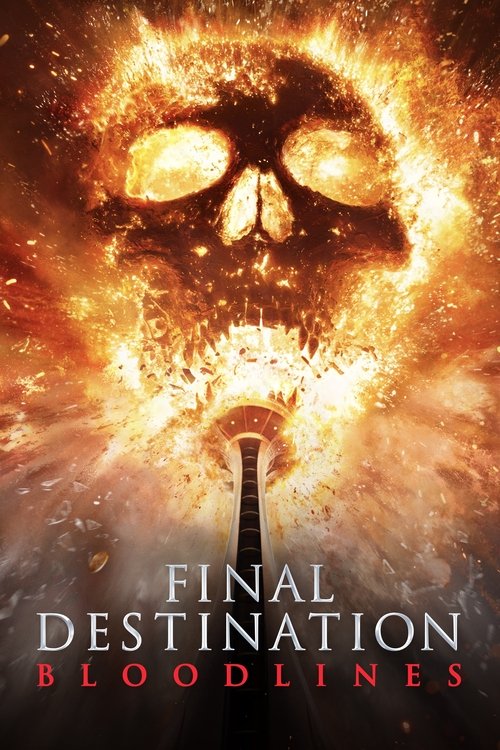
Final Destination Bloodlines - Review
Final Destination: Bloodlines - A Review That Cuts Deep
Five installments, countless gruesome deaths, and a whole lot of premonitions later, the Final Destination franchise returns with Bloodlines. Released on May 14th, 2025, this latest entry attempts to breathe new life (ironically) into the well-trodden formula of cheating death. But does it succeed? Does it offer anything new beyond increasingly elaborate and improbable demise scenarios? Or is it simply another blood-soaked retread destined to be forgotten? Let's delve into the guts of Final Destination: Bloodlines to find out.
Plot: A Familiar Premonition, A Twisted Lineage
Bloodlines centers around Stefanie, a bright but troubled college student plagued by a recurring nightmare. This nightmare, disturbingly vivid and unsettlingly specific, foretells a catastrophic accident involving her family. Initially dismissing it as stress, Stefanie soon realizes the nightmare is a premonition, a warning of the intricate and malevolent design of Death itself. Driven by a desperate need to save her loved ones, she embarks on a frantic journey back to her hometown, hoping to unravel the mystery behind the premonition and break the cycle of death that seems to be tightening its grip on her family.
The film quickly establishes the core cast: Stefanie, her overprotective but loving mother, her younger brother obsessed with conspiracy theories, and her estranged father, a man haunted by a past tragedy. Each character is given a distinct personality, albeit somewhat archetypal for the genre. As Stefanie investigates, she uncovers a dark family secret: a past brush with Death that involved a distant relative decades ago. This revelation adds a layer of intrigue and expands the lore of the Final Destination universe, suggesting that certain bloodlines are more susceptible to Death's wrath.
The plot follows the familiar Final Destination structure: the premonition, the initial accident averted (or at least delayed), and then the gradual and terrifying unraveling as Death claims its victims one by one. However, Bloodlines attempts to inject a fresh perspective by focusing on the family dynamic and the psychological impact of knowing you're being hunted by an unseen force. Stefanie's internal struggle, her desperation to protect her family, and her growing paranoia are central to the narrative.
One of the more compelling aspects of the plot is the inclusion of the younger brother's conspiracy theory obsession. This provides a meta-narrative element, allowing the film to acknowledge its own tropes and even poke fun at the audience's expectations. It also serves as a vehicle for exposition, allowing the brother to research past incidents and uncover clues about the family's connection to Death.
However, the plot isn't without its flaws. The pacing can feel uneven at times, with periods of intense suspense followed by lulls that feel somewhat repetitive. The reliance on coincidence, while a staple of the franchise, occasionally stretches the bounds of believability. And while the family secret adds depth, it also feels somewhat underdeveloped, leaving some questions unanswered and potentially setting up future installments.
Characters: Familiar Archetypes, Nuanced Performances
The characters in Bloodlines, while not groundbreaking, are generally well-defined and brought to life by solid performances. Stefanie, played by newcomer Maya Rodriguez, is a compelling protagonist. Rodriguez effectively portrays her character's intelligence, vulnerability, and unwavering determination. She manages to convey the emotional weight of her situation without resorting to histrionics, making her a relatable and sympathetic figure.
The supporting cast also delivers commendable performances. Veteran actress Sarah Thompson plays Stefanie's mother, embodying the anxieties of a parent desperate to protect her children. Her performance is particularly strong in scenes where she grapples with the knowledge that her family is in danger but is unable to fully comprehend the nature of the threat. David Chen, as the conspiracy-obsessed brother, provides moments of levity and intrigue. His character's eccentricities are balanced by a genuine concern for his family, making him a surprisingly endearing figure. And Mark Johnson, as the estranged father, delivers a nuanced performance as a man burdened by guilt and regret, seeking redemption in the face of impending doom.
While the performances are strong, the characters themselves occasionally fall into familiar horror movie archetypes. The overprotective mother, the quirky sibling, the troubled father – these are tropes that have been seen countless times before. However, the actors manage to inject enough personality and emotional depth into their roles to make them feel somewhat fresh and engaging.
One area where the characters could have been further developed is in their relationships with each other. While the film establishes the basic dynamics between family members, it doesn't always fully explore the complexities of their relationships. More screen time dedicated to exploring the family's history, their shared traumas, and their individual struggles could have added another layer of emotional resonance to the story.
Direction and Cinematography: Crafting Suspense, Delivering Gore
Director Emily Carter, known for her work in the indie horror scene, brings a distinct visual style to Final Destination: Bloodlines. She skillfully utilizes suspenseful camera angles, unsettling sound design, and a deliberate pacing to create a palpable sense of dread. The film is not afraid to lean into the gore, delivering the franchise's signature elaborate and gruesome death sequences. However, Carter also understands that suspense is often more effective than outright gore, and she masterfully builds tension in the moments leading up to each death.
The cinematography, handled by seasoned veteran John Williams (not the composer!), is particularly noteworthy. Williams employs a variety of techniques to enhance the film's atmosphere. He uses wide shots to emphasize the characters' vulnerability in the face of the vast and indifferent forces of nature, and close-ups to highlight their emotional turmoil. The color palette is generally muted, with grays and blues dominating the screen, reflecting the film's somber tone. However, splashes of vibrant color are used strategically to emphasize moments of danger and violence.
The death sequences themselves are meticulously crafted and visually striking. Carter and Williams work together to create a sense of impending doom, using subtle visual cues to foreshadow the characters' fates. The deaths are often inventive and unexpected, pushing the boundaries of what's possible within the Final Destination universe. However, the film also avoids becoming gratuitous or exploitative. The gore is used to enhance the emotional impact of the deaths, not simply to shock the audience.
One area where the direction could have been improved is in the use of jump scares. While the film does utilize jump scares, they are often predictable and feel somewhat out of place in a film that otherwise relies on suspense and atmosphere. A more subtle and nuanced approach to horror could have made the film even more effective.
Themes and Messages: Fate, Family, and the Illusion of Control
Final Destination: Bloodlines, like its predecessors, explores the themes of fate, free will, and the illusion of control. The film suggests that Death is an inescapable force, a cosmic entity that cannot be cheated or outsmarted. The characters are constantly struggling against their predetermined fates, desperately trying to alter the course of events and save themselves from the inevitable. However, their efforts are ultimately futile, as Death always finds a way to claim its victims.
Beyond the existential dread, Bloodlines also delves into the importance of family and the bonds that connect us. Stefanie's unwavering determination to protect her loved ones is a testament to the power of familial love. The film suggests that even in the face of overwhelming odds, the love and support of family can provide solace and strength. The theme of redemption is also present, particularly in the character of the estranged father, who seeks to atone for his past mistakes and reconnect with his family before it's too late.
The film also subtly critiques our modern obsession with control. In a world where we are constantly striving to control our lives, to plan for the future, and to mitigate risks, Bloodlines reminds us that we are ultimately at the mercy of forces beyond our understanding. The characters' attempts to control their destinies are ultimately futile, highlighting the limitations of human agency and the unpredictable nature of life.
However, the film's themes are not always fully explored. The message about fate versus free will, while present, feels somewhat diluted by the franchise's reliance on elaborate and improbable death sequences. It can be difficult to take the philosophical implications of the film seriously when characters are being killed by exploding vending machines and rogue chainsaws.
Comparisons: Standing on the Shoulders of Death
Final Destination: Bloodlines inevitably draws comparisons to its predecessors. While it doesn't reinvent the wheel, it does offer some subtle improvements and innovations. The focus on family dynamics adds a new layer of emotional depth, and the inclusion of the conspiracy theory subplot provides a meta-narrative element that is both amusing and intriguing.
Compared to the earlier installments, Bloodlines is less reliant on shock value and more focused on building suspense and atmosphere. The death sequences, while still gruesome, are generally more inventive and less gratuitous. The performances are also stronger, with the actors bringing more nuance and emotional depth to their roles.
However, Bloodlines also suffers from some of the same problems that have plagued the franchise since its inception. The plot can feel repetitive at times, and the reliance on coincidence can strain credulity. The characters, while well-defined, can occasionally fall into familiar horror movie archetypes. And the film's themes, while present, are not always fully explored.
In terms of similar films, Bloodlines shares thematic and stylistic similarities with other horror movies that explore the themes of fate, free will, and the inevitability of death. Films like It Follows and The Ring also rely on a sense of impending doom and a relentless, unseen force pursuing its victims. However, Final Destination distinguishes itself with its unique blend of horror, suspense, and black comedy.
Positive Aspects: A Fresh Coat of Blood on a Familiar Formula
Final Destination: Bloodlines offers several positive aspects that make it a worthwhile entry in the franchise:
* Strong Performances: The actors deliver compelling and nuanced performances, bringing depth and emotional resonance to their characters. * Suspenseful Atmosphere: The director skillfully utilizes suspenseful camera angles, unsettling sound design, and a deliberate pacing to create a palpable sense of dread. * Inventive Death Sequences: The death sequences are meticulously crafted, visually striking, and often unexpected. * Family Dynamics: The focus on family relationships adds a new layer of emotional depth to the story. * Meta-Narrative Element: The inclusion of the conspiracy theory subplot provides a meta-narrative element that is both amusing and intriguing.Constructive Criticism: Room for Improvement in the Afterlife
Despite its strengths, Final Destination: Bloodlines also has some weaknesses that could have been improved:
* Uneven Pacing: The pacing can feel uneven at times, with periods of intense suspense followed by lulls that feel somewhat repetitive. * Reliance on Coincidence: The reliance on coincidence, while a staple of the franchise, occasionally stretches the bounds of believability. * Underdeveloped Themes: The film's themes, while present, are not always fully explored. * Predictable Jump Scares: The use of jump scares is often predictable and feels somewhat out of place in a film that otherwise relies on suspense and atmosphere. * Character Development: While the performances are strong, the characters themselves could have been further developed, particularly in their relationships with each other.Conclusion: A Worthy Addition to the Death Toll
Final Destination: Bloodlines is a solid and entertaining entry in the Final Destination franchise. While it doesn't reinvent the wheel, it offers enough new elements and improvements to justify its existence. The strong performances, suspenseful atmosphere, inventive death sequences, and focus on family dynamics make it a worthwhile watch for fans of the series and horror enthusiasts in general. However, the film's uneven pacing, reliance on coincidence, and underdeveloped themes prevent it from reaching its full potential.
Overall, Final Destination: Bloodlines is a worthy addition to the death toll, offering a fresh coat of blood on a familiar formula. It's a fun, suspenseful, and occasionally thought-provoking horror movie that will leave you looking over your shoulder and questioning the nature of fate.