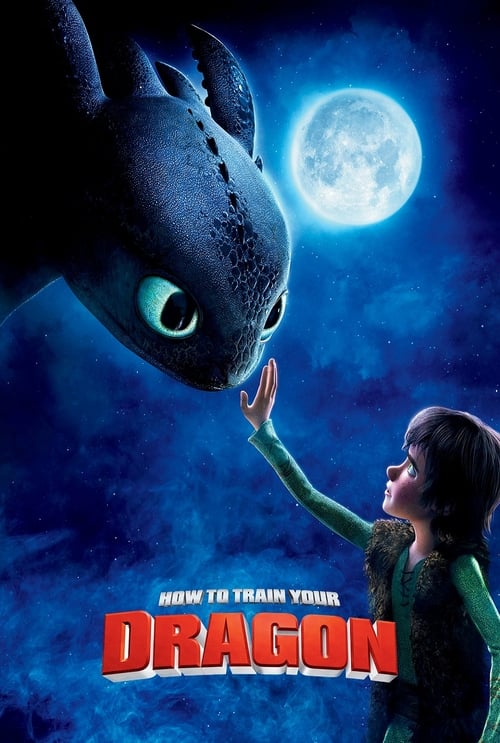
How to Train Your Dragon - Review
A Dragon's Heart: A Review of 'How to Train Your Dragon'
In a landscape saturated with animated features, some films manage to soar above the rest, etching themselves into the collective consciousness with their compelling narratives, vibrant visuals, and profound emotional resonance. DreamWorks' How to Train Your Dragon (2010) is undoubtedly one such film. More than just a visually stunning spectacle, it's a heartwarming tale of acceptance, understanding, and the powerful bond that can form between seemingly irreconcilable adversaries. Released on March 18, 2010, this animated adventure captivated audiences of all ages, proving that even the fiercest of dragons can be tamed by compassion and empathy.
Plot: A Viking's Transformation
The film is set on the rugged, windswept island of Berk, a Viking stronghold perpetually under siege by dragons. For generations, the Vikings have waged a relentless war against these fire-breathing creatures, a war deeply ingrained in their culture and identity. Our protagonist is Hiccup Horrendous Haddock III (voiced with endearing awkwardness by Jay Baruchel), the scrawny, inventive son of Stoick the Vast (Gerard Butler), the formidable and respected chief of the tribe. Hiccup, lacking the brawn and battle prowess of his fellow Vikings, yearns to prove himself worthy of his father's respect and acceptance. His attempts to contribute to the dragon-slaying efforts are often clumsy and disastrous, leading to ridicule and further alienation.
Driven by a desire to finally make a difference, Hiccup creates a bola-launching device. During a dragon raid, he manages to shoot down a Night Fury, the rarest and most feared of all dragons. However, when he finds the injured dragon tangled in the woods, he can't bring himself to kill it. Instead, he begins to cautiously approach the creature, offering it fish and slowly earning its trust. He names the dragon Toothless, a playful irony given the retractable teeth that define the Night Fury's unique design. This encounter marks a turning point in Hiccup's life, setting him on a path of self-discovery and challenging the deeply ingrained prejudices of his Viking community.
As Hiccup secretly trains Toothless, he learns about the dragons' behavior, their strengths, and their vulnerabilities. He uses this knowledge to excel in dragon training classes, much to the surprise of his father and fellow Vikings, including the fiery Astrid Hofferson (America Ferrera), who initially suspects Hiccup of cheating. Hiccup's newfound skills and confidence earn him the admiration of his peers, but the secret he harbors threatens to unravel everything. The climax arrives when Hiccup is forced to reveal his bond with Toothless to protect him from being killed. This revelation exposes the truth about the dragons' true nature and the misguided nature of the Viking's centuries-long war. The film culminates in a dramatic battle against a massive, dragon-controlling "Red Death," forcing Hiccup to make a courageous choice that will forever change the relationship between Vikings and dragons.
Characters: Heart and Fire
How to Train Your Dragon boasts a cast of memorable characters, each contributing to the film's rich tapestry of themes and emotions:
- Hiccup Horrendous Haddock III: The heart of the film, Hiccup is a relatable and sympathetic protagonist. His intelligence, ingenuity, and compassion set him apart from the other Vikings. His journey from an outcast to a hero is both inspiring and believable. Jay Baruchel's voice acting perfectly captures Hiccup's awkwardness, vulnerability, and growing confidence.
- Toothless: More than just a pet, Toothless is a complex and expressive character in his own right. His design is a brilliant blend of fearsome dragon and playful cat, allowing for a wide range of emotions to be conveyed through his eyes and body language. His loyalty to Hiccup is unwavering, and their bond is the emotional core of the film.
- Stoick the Vast: The archetypal Viking chief, Stoick is a powerful and respected leader burdened by the responsibility of protecting his people. His stubborn adherence to tradition and his initial inability to understand Hiccup's perspective create a compelling father-son dynamic. Gerard Butler brings a gravitas and emotional depth to the role, portraying Stoick as a flawed but ultimately loving father.
- Astrid Hofferson: A strong and independent Viking warrior, Astrid initially views Hiccup with suspicion and disdain. However, as she witnesses his skills and his connection with Toothless, she begins to see him in a new light. America Ferrera's voice acting captures Astrid's fierce spirit and her growing affection for Hiccup.
- Gobber the Belch (Craig Ferguson): Stoick's loyal friend and blacksmith, Gobber provides comic relief and serves as a mentor figure to Hiccup. His unconventional wisdom and quirky humor add a lighthearted touch to the film.
- The Teen Vikings (Fishlegs, Snotlout, Ruffnut, Tuffnut): While initially portrayed as stereotypical Viking teenagers, these characters add to the dynamics of the training sequences and provide some comedic relief. They grow in depth as the story progresses.
Direction and Cinematography: A Visual Feast
Directors Chris Sanders and Dean DeBlois (who previously collaborated on Disney's Lilo & Stitch) crafted a visually stunning and emotionally resonant film. Their direction is masterful, balancing action-packed sequences with intimate character moments. They create a believable and immersive world, capturing the rugged beauty of Berk and the awe-inspiring majesty of the dragons.
The cinematography is breathtaking. The film utilizes vibrant colors and dynamic camera angles to create a sense of scale and excitement. The flight sequences are particularly impressive, offering a visceral and exhilarating experience. The attention to detail in the animation is remarkable, from the scales of the dragons to the textures of the Viking clothing. The use of 3D (in its theatrical release) further enhanced the sense of immersion, particularly during the flight scenes.
The visual design of the dragons is a standout achievement. Each species is unique and distinctive, with its own set of characteristics and behaviors. Toothless, in particular, is a triumph of character design, blending the ferocity of a dragon with the playfulness of a domesticated animal. The animators captured a wide range of emotions in Toothless's eyes and body language, making him a truly believable and endearing character.
Performances: Voices that Breathe Life
The voice acting in How to Train Your Dragon is exceptional. The cast brings their characters to life with nuance and emotion. Jay Baruchel's portrayal of Hiccup is particularly noteworthy, capturing the character's awkwardness, vulnerability, and growing confidence. Gerard Butler delivers a powerful and emotionally resonant performance as Stoick, portraying the character's internal conflict and his eventual acceptance of Hiccup. America Ferrera embodies Astrid's strength and independence, while Craig Ferguson provides comic relief as Gobber.
The supporting cast also delivers strong performances, adding depth and color to the film's ensemble. The vocal performances are perfectly matched to the characters, enhancing the film's emotional impact and making it a truly immersive experience.
Themes and Messages: Bridging the Divide
How to Train Your Dragon explores several important themes, including:
- Acceptance and Understanding: The film's central message is about the importance of acceptance and understanding. Hiccup's ability to see beyond the dragons' fearsome appearance and to recognize their true nature challenges the deeply ingrained prejudices of his Viking community. The film encourages viewers to question their own biases and to embrace those who are different.
- Breaking Down Barriers: The film demonstrates how communication and empathy can bridge seemingly insurmountable divides. Hiccup's relationship with Toothless shows that even the fiercest of enemies can become friends through understanding and trust.
- Challenging Tradition: The film encourages viewers to question tradition and to challenge the status quo. Hiccup's refusal to conform to Viking expectations leads him to discover a new way of life and to ultimately save his community.
- The Power of Friendship: The bond between Hiccup and Toothless is the emotional core of the film. Their friendship demonstrates the power of loyalty, trust, and unconditional love.
- Finding Your Own Path: Hiccup's journey is one of self-discovery. He learns to embrace his unique talents and to follow his own path, even when it deviates from the expectations of his father and his community.
The film's themes are presented in a way that is both engaging and accessible to audiences of all ages. The messages are subtle but powerful, leaving a lasting impression on viewers long after the credits roll.
Comparison to Similar Films and Previous Works
How to Train Your Dragon shares thematic similarities with other animated films that explore the idea of bridging cultural divides, such as Pocahontas (1995) and Avatar (2009). However, How to Train Your Dragon distinguishes itself through its unique blend of action, humor, and emotional depth. The film also draws inspiration from classic coming-of-age stories, such as The Black Stallion (1979), where a young boy forms a bond with a wild animal.
Directors Chris Sanders and Dean DeBlois brought their experience from Lilo & Stitch to How to Train Your Dragon, particularly in their ability to create emotionally resonant characters and to explore themes of acceptance and belonging. However, How to Train Your Dragon is a more ambitious and visually stunning film, showcasing the directors' growth as filmmakers.
Jay Baruchel, known for his comedic roles, delivered a surprisingly nuanced and heartfelt performance as Hiccup. This role marked a turning point in his career, demonstrating his versatility as an actor. Gerard Butler, typically known for his action roles, brought a gravitas and emotional depth to the role of Stoick, proving his ability to handle more complex and nuanced characters.
Positive Aspects
How to Train Your Dragon excels in several key areas:
- Compelling Story: The film's plot is engaging and well-paced, with a satisfying blend of action, humor, and emotional moments.
- Memorable Characters: The characters are well-developed and relatable, with clear motivations and compelling arcs.
- Stunning Visuals: The animation is breathtaking, with vibrant colors, dynamic camera angles, and meticulous attention to detail.
- Exceptional Voice Acting: The voice cast delivers outstanding performances, bringing the characters to life with nuance and emotion.
- Powerful Themes: The film explores important themes of acceptance, understanding, and challenging tradition.
- Emotional Resonance: The film is deeply moving, with moments of genuine heart and pathos that resonate with viewers of all ages.
Constructive Criticism
While How to Train Your Dragon is a near-perfect film, there are a few minor criticisms that can be made:
- Stereotypical Teen Vikings: The initial portrayal of the teen Vikings (Fishlegs, Snotlout, Ruffnut, Tuffnut) can feel somewhat stereotypical and underdeveloped. However, they do gain more depth as the story progresses.
- Predictable Plot Points: While the film is generally well-plotted, some of the plot points, such as the inevitable conflict between Hiccup and Stoick, can feel somewhat predictable.
These minor criticisms do not detract significantly from the overall quality of the film. How to Train Your Dragon remains a masterpiece of animation and a truly unforgettable cinematic experience.
Conclusion
How to Train Your Dragon is more than just a children's movie; it's a timeless tale of acceptance, understanding, and the transformative power of friendship. With its compelling story, memorable characters, stunning visuals, and powerful themes, it's a film that will resonate with audiences of all ages. It's a testament to the power of animation as a medium for storytelling and a reminder that even the fiercest of dragons can be tamed by compassion and empathy. It's a film that soars above the rest, leaving a lasting impression on the heart and mind.
Rating: 9.5/10