Crawlers - Review
Crawlers (2025): Hope and Horror on the Southern Border
The zombie genre, often dismissed as creatively bankrupt, continues to shamble forward, occasionally spitting out a gem that revitalizes the undead. "Crawlers," released on June 10th, 2025, attempts to do just that. Set against the backdrop of a 2030 America ravaged by a biblical-scale zombie pandemic, the film follows a desperate exodus to 'El Santuario del Sur' – the Southern Sanctuary – a supposed zombie-free haven in Mexico. Does "Crawlers" manage to rise above the groaning masses of its predecessors, or does it succumb to the same tired tropes? Let's delve into the rotting flesh of this post-apocalyptic thriller.
Plot: A Pilgrimage of Despair
The narrative of "Crawlers" is, at its core, a classic survival story with a familiar premise. The world has ended, and the remnants of humanity are scrambling for safety. The film opens with a jarring montage of news footage depicting the rapid collapse of civilization. We are quickly introduced to our main characters: Sarah (played by Anya Petrova), a hardened doctor haunted by her past failures; Miguel (portrayed by Javier Rodriguez), a resourceful former soldier grappling with PTSD; and young Emily (newcomer Chloe Davis), an orphaned girl who becomes the emotional center of the group. Their paths converge as they join the throngs of refugees heading south, driven by the desperate hope of reaching El Santuario del Sur.
The journey itself forms the bulk of the plot. It's a grueling odyssey through desolate landscapes, teeming with both the undead and opportunistic human predators. The script, penned by veteran horror writer David Ellis, excels at creating tension and suspense. Each encounter with zombies is meticulously crafted, emphasizing the sheer brutality and overwhelming numbers of the infected. However, the film also explores the darker side of human nature, showcasing the lengths people will go to survive in a world without rules. The initial optimism surrounding El Santuario gradually erodes as the group faces betrayals, internal conflicts, and the constant threat of death.
The third act takes a significant turn upon reaching the sanctuary. What was advertised as a haven turns out to be a heavily fortified, militarized zone with its own set of disturbing secrets. The promise of safety is quickly replaced by a new form of oppression, forcing the survivors to make difficult choices about their freedom and morality. The film cleverly subverts the audience's expectations, proving that the real monsters are not always the ones with rotting flesh.
Criticism: While the overall plot is engaging, it occasionally falls prey to genre clichés. Some character arcs feel underdeveloped, and certain plot points are predictable. The pacing, while generally well-managed, suffers from occasional lulls, particularly in the second act. The reveal of El Santuario's true nature, while impactful, could have been more subtly foreshadowed.
Characters: Scars of the Apocalypse
The strength of "Crawlers" lies in its characters. Anya Petrova delivers a compelling performance as Sarah, portraying her inner turmoil with a quiet intensity. Sarah's medical expertise is invaluable to the group, but she's constantly battling the emotional scars of those she couldn't save. Javier Rodriguez brings a stoic vulnerability to Miguel, a man struggling to reconcile his past actions with his desire for redemption. His combat skills are essential for survival, but he's haunted by the memories of the battlefield.
Chloe Davis shines as Emily, injecting a much-needed dose of innocence and hope into the bleak narrative. Her character serves as a reminder of what the survivors are fighting for, and her interactions with Sarah and Miguel provide some of the film's most poignant moments. The supporting cast, while not as deeply developed, is equally effective in portraying the diverse personalities and motivations of the refugee population. We see examples of selfless heroism, craven selfishness, and everything in between.
The antagonists, both human and undead, are suitably menacing. The leader of El Santuario, General Vargas (played with chilling authority by Ricardo Diaz), embodies the film's exploration of power and control. He believes that order can only be maintained through absolute authority, and he's willing to sacrifice anything to achieve his goals. The zombies themselves are not simply mindless hordes; they are presented as a constant, overwhelming threat that requires both physical and psychological resilience to overcome.
Criticism: Some of the supporting characters could have benefited from more screen time and development. Their motivations sometimes feel unclear, and their fates are often resolved too quickly. The romantic subplot between Sarah and Miguel, while not unwelcome, feels somewhat forced and underdeveloped. It detracts slightly from the overall intensity of the survival narrative.
Direction and Cinematography: Painting a Bleak Canvas
Director Isabella Rossi, known for her visually striking horror films, brings a distinct aesthetic to "Crawlers." The film is visually stunning, even in its depiction of decay and destruction. The cinematography, handled by veteran DP Marco Bellini, is masterful. The desolate landscapes of the American Southwest and the harsh beauty of the Mexican plateau are captured with breathtaking clarity. The use of natural light and shadow creates a sense of realism and immediacy, immersing the viewer in the characters' struggle for survival.
Rossi employs a variety of cinematic techniques to enhance the tension and suspense. Close-ups are used effectively to convey the characters' fear and desperation. Wide shots emphasize the vastness of the infected landscapes and the overwhelming odds facing the survivors. The action sequences are expertly choreographed and filmed, showcasing the brutality of the zombie attacks without resorting to excessive gore. The director also makes effective use of slow-motion and sound design to heighten the impact of key moments.
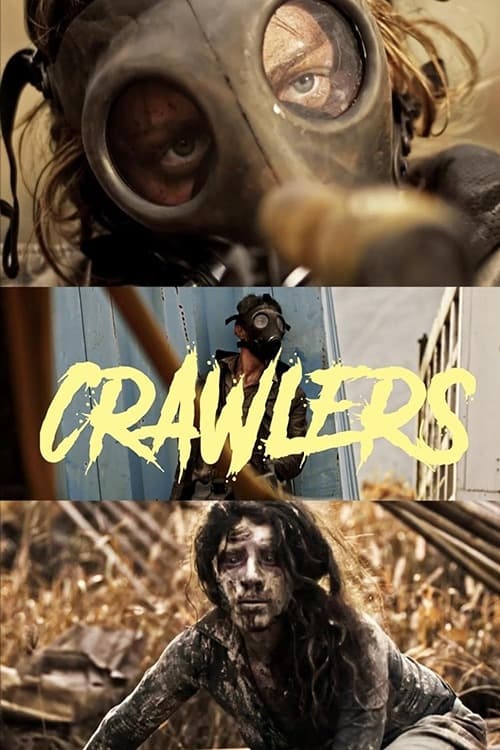
The visual effects, while not groundbreaking, are convincing and well-integrated into the film. The zombies are appropriately grotesque, with realistic makeup and prosthetics. The special effects are used sparingly, but effectively, to enhance the sense of realism and danger. The sound design is particularly noteworthy, creating a constant sense of unease and dread. The groans and moans of the zombies are ever-present, serving as a constant reminder of the threat lurking just beyond the frame.
Criticism: While the visual style is generally impressive, there are moments where it feels overly stylized, detracting from the film's sense of realism. Some of the slow-motion sequences feel gratuitous and unnecessary. The use of jump scares, while effective in some instances, is overused and becomes predictable.
Performances: Acting Amidst the Apocalypse
As mentioned earlier, Anya Petrova delivers a standout performance as Sarah. She embodies the character's strength and vulnerability with equal conviction. Javier Rodriguez is equally impressive as Miguel, conveying his character's inner turmoil with subtle gestures and expressions. Chloe Davis is a revelation as Emily, bringing a naturalness and authenticity to her role that is rare for a child actor. The supporting cast is uniformly strong, with each actor bringing their own unique perspective to their characters.
Ricardo Diaz is particularly chilling as General Vargas, portraying him as a man driven by a twisted sense of duty. He manages to make Vargas both sympathetic and terrifying, highlighting the complexities of his character. The actors portraying the zombies are also commendable, capturing the grotesque movements and vacant stares of the infected with unsettling accuracy.
Criticism: While the performances are generally strong, some of the dialogue feels stilted and unnatural, particularly in the early scenes. This is likely due to weaknesses in the script, rather than shortcomings on the part of the actors. Some of the emotional moments feel forced and unearned, detracting from the overall impact of the performances.
Themes and Messages: Beyond the Brains
"Crawlers" is more than just a zombie movie; it's a commentary on societal breakdown, the resilience of the human spirit, and the dangers of unchecked power. The film explores the themes of hope, despair, and the importance of community in the face of overwhelming adversity. It also raises questions about morality, ethics, and the lengths people will go to survive in a world without rules.
The film's depiction of El Santuario del Sur serves as a cautionary tale about the dangers of authoritarianism. General Vargas's desire for order and control ultimately leads to oppression and injustice. The film suggests that true freedom and safety can only be achieved through cooperation and mutual respect. The importance of empathy and compassion is also emphasized throughout the film. The characters who are able to maintain their humanity in the face of the apocalypse are the ones who ultimately survive.
The film also touches upon themes of environmental degradation and resource scarcity. The zombie pandemic is presented as a symptom of a larger societal malaise, a consequence of humanity's unsustainable practices. The struggle for survival in "Crawlers" is not just against the undead; it's against the consequences of our own actions.
Criticism: While the film explores these themes effectively, it occasionally does so in a heavy-handed manner. The symbolism is sometimes too obvious, and the messages are occasionally delivered with a lack of subtlety. The film could have benefited from a more nuanced and ambiguous approach to its thematic content.
Comparisons: Echoes of the Undead
"Crawlers" inevitably draws comparisons to other zombie films, particularly those set in post-apocalyptic landscapes. It shares similarities with "The Walking Dead" in its exploration of human relationships in the face of societal collapse. The journey to El Santuario del Sur is reminiscent of the pilgrimage in "World War Z," although "Crawlers" focuses more on the internal struggles of the characters than the global scale of the pandemic.
The film also echoes elements of "28 Days Later" in its depiction of fast-moving, aggressive zombies. However, "Crawlers" distinguishes itself through its focus on the political and social implications of the pandemic. The militarized sanctuary and the oppressive regime of General Vargas set it apart from other genre entries.
Isabella Rossi's previous work, such as the critically acclaimed "The Silent City" (2020), also provides a point of comparison. Both films share a similar visual style and thematic focus on societal breakdown. However, "Crawlers" is a more ambitious and complex film, with a larger scope and a more diverse cast of characters.
Criticism: While "Crawlers" offers some unique elements, it ultimately relies on many of the same tropes and conventions as other zombie films. It lacks the originality and innovation of some of the genre's best entries. The film could have benefited from taking more risks and pushing the boundaries of the zombie narrative.
Positive Aspects: Rising from the Grave
Despite its flaws, "Crawlers" offers several compelling reasons to watch. The strong performances, particularly from Anya Petrova and Javier Rodriguez, are a major highlight. The visual style is impressive, creating a bleak and immersive atmosphere. The action sequences are well-choreographed and exciting, and the film's exploration of themes such as hope, despair, and the dangers of unchecked power is thought-provoking.
The film also offers a fresh perspective on the zombie genre by focusing on the political and social implications of the pandemic. The militarized sanctuary and the oppressive regime of General Vargas provide a unique and compelling backdrop for the story. The film's ending, while somewhat ambiguous, is satisfying and leaves the audience pondering the fate of the survivors.
Constructive Criticism: Rotting Potential
However, "Crawlers" is not without its shortcomings. The plot occasionally falls prey to genre clichés, and some character arcs feel underdeveloped. The pacing suffers from occasional lulls, and the romantic subplot feels forced. The film's visual style, while generally impressive, occasionally feels overly stylized. The dialogue is sometimes stilted, and the emotional moments occasionally feel unearned. The film could have benefited from a more nuanced approach to its thematic content, and it lacks the originality and innovation of some of the genre's best entries.
Conclusion: A Worthwhile Undead Outing
Overall, "Crawlers" is a solid and engaging zombie film that offers a fresh perspective on the genre. While it doesn't reinvent the wheel, it delivers a compelling survival story with strong performances, impressive visuals, and thought-provoking themes. Despite its flaws, it's a worthwhile addition to the zombie canon and a testament to the enduring appeal of the undead.
Rating: 7.5/10