In the Fire of War - Review
In the Fire of War: A Gripping Tale of Survival and Resilience in 19th Century New Zealand
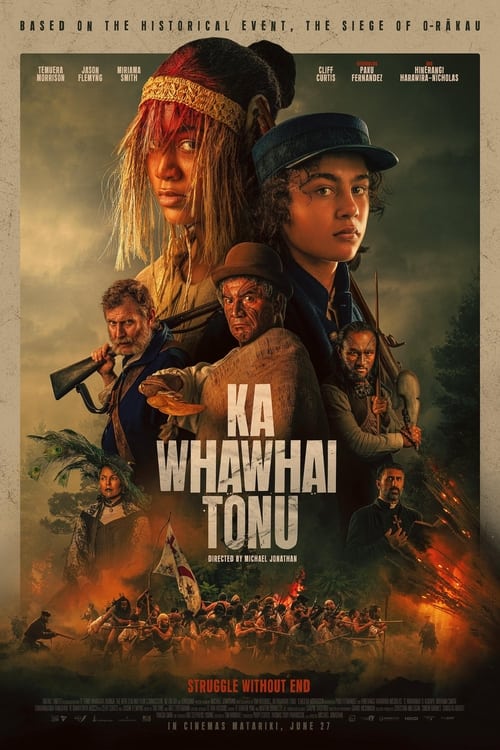
In the Fire of War, released on June 27, 2024, plunges viewers headfirst into the brutal realities of the New Zealand Land Wars. This historical drama, blending action, adventure, and poignant character studies, tells the story of two teenagers forced to navigate the complexities and horrors of war in 1864. While the film isn't without its flaws, its raw portrayal of conflict, compelling performances, and exploration of cultural clashes make it a significant and memorable cinematic experience. This review will delve into the various aspects of the film, examining its plot, characters, direction, cinematography, performances, themes, and ultimately, its overall impact.
Plot: A Crucible of Conflict and Coming-of-Age
The narrative unfolds during a pivotal battle in the New Zealand Land Wars, a series of conflicts fought between Māori and European settlers over land ownership and sovereignty. We are introduced to Hemi, a young Māori boy torn between his traditional upbringing and the allure of European culture, and Thomas, a British settler boy whose naive idealism is shattered by the harsh realities of war. Their paths collide amidst the chaos of battle, forcing them to rely on each other for survival. The plot cleverly interweaves their individual journeys with the larger historical context, providing a nuanced perspective on the conflict.
The film avoids simplistic good-versus-evil tropes, instead portraying the complexities of both sides. We see the Māori fighting to protect their ancestral lands and way of life, while also witnessing the desperation and misguided beliefs of some of the settlers. The initial setup effectively establishes the tension and mistrust between the two cultures. The battle sequences are realistically depicted, showcasing the brutality and confusion of war without glorifying violence. The plot also explores the internal conflicts faced by both Hemi and Thomas as they grapple with their identities and loyalties.
However, the pacing occasionally falters. Certain sections, particularly those dedicated to exposition, feel slightly drawn out, slowing down the momentum. While the film strives for historical accuracy, some dramatic liberties are taken, potentially sacrificing some authenticity for the sake of narrative convenience. The ending, while emotionally resonant, might feel somewhat abrupt to some viewers, leaving certain plot threads unresolved.
Characters: Forged in the Fires of Adversity
The strength of In the Fire of War lies in its well-developed and relatable characters. Hemi, played with remarkable depth by newcomer Tawhiri Mason, is a character of quiet strength and resilience. His initial internal conflict between embracing European influences and remaining true to his Māori heritage is convincingly portrayed. As the story progresses, he evolves into a courageous leader, fiercely protective of his people and his newfound friendship with Thomas.
Thomas, portrayed by experienced child actor Ethan Davies, undergoes a significant transformation throughout the film. Initially portrayed as an idealistic and somewhat naive boy, he is forced to confront the horrors of war and the moral complexities of colonialism. Davies delivers a nuanced performance, capturing Thomas's vulnerability, fear, and eventual growth with remarkable sensitivity.
The supporting characters, while not as central to the narrative as Hemi and Thomas, are equally well-drawn. We encounter a range of individuals on both sides of the conflict, each with their own motivations and beliefs. The portrayal of Māori elders, steeped in tradition and wisdom, adds depth and authenticity to the film. Similarly, the depiction of British officers, some driven by ambition and others by a genuine desire to maintain order, provides a multifaceted perspective on the colonial experience.
One minor criticism is that some of the supporting characters could have been given more screen time to fully develop their backstories and motivations. While their presence adds to the overall richness of the narrative, a deeper exploration of their individual struggles would have further enhanced the film's emotional impact.
Direction: A Vision of Conflict and Connection
Director Anya Sharma demonstrates a keen understanding of the historical context and the human drama at the heart of the story. Her direction is both visually stunning and emotionally resonant, creating a powerful and immersive viewing experience. Sharma effectively utilizes the natural beauty of the New Zealand landscape to contrast with the brutality of war, highlighting the devastating impact of conflict on the land and its people.
The battle sequences are expertly choreographed and realistically depicted, conveying the chaos and confusion of combat without resorting to gratuitous violence. Sharma's use of close-up shots effectively captures the raw emotions of the characters, allowing viewers to connect with their struggles on a deeply personal level. The director also skillfully balances the action sequences with moments of quiet reflection, providing a nuanced and thought-provoking portrayal of war and its consequences.
Sharma's direction is particularly commendable in her handling of the cultural aspects of the story. She collaborates closely with Māori cultural advisors to ensure the authenticity and accuracy of the film's portrayal of Māori customs, traditions, and language. This commitment to cultural sensitivity adds a layer of depth and respect to the narrative, elevating it beyond a simple war story.
However, at times, the director's ambition to cover a wide range of themes and perspectives leads to a slightly unfocused narrative. Certain subplots feel underdeveloped, and the overall pacing could have been more tightly controlled. Despite these minor flaws, Sharma's direction is undeniably strong, showcasing her talent for visual storytelling and her ability to connect with audiences on an emotional level.
Cinematography: Painting a Landscape of War and Beauty
The cinematography in In the Fire of War is nothing short of breathtaking. Cinematographer Benicio Alvarez masterfully captures the beauty of the New Zealand landscape, contrasting it with the harsh realities of war. The sweeping vistas of rolling hills, dense forests, and pristine coastlines provide a stunning backdrop to the unfolding drama. Alvarez's use of natural light adds a sense of realism and authenticity to the film, immersing viewers in the world of 19th-century New Zealand.
The battle sequences are filmed with a visceral intensity, using shaky cam and close-up shots to convey the chaos and confusion of combat. Alvarez's use of color is also particularly effective, with muted tones dominating the battlefield scenes, reflecting the grim realities of war. In contrast, the scenes depicting Māori life and culture are often bathed in warm, vibrant colors, highlighting the richness and vitality of their traditions.
Alvarez's cinematography also effectively utilizes symbolism to enhance the narrative. The recurring motif of fire, for example, represents both the destructive power of war and the transformative potential of adversity. The contrasting imagery of the natural landscape and the man-made destruction serves as a constant reminder of the impact of conflict on the environment and its people.
Overall, the cinematography in In the Fire of War is a visual masterpiece, enhancing the film's emotional impact and immersing viewers in the world of the story. Alvarez's skillful use of light, color, and composition creates a truly unforgettable cinematic experience.
Performances: Anchoring the Narrative with Raw Emotion
The performances in In the Fire of War are universally strong, with the young leads delivering particularly impressive performances. Tawhiri Mason shines as Hemi, capturing the character's quiet strength, resilience, and internal conflict with remarkable depth and nuance. Ethan Davies is equally compelling as Thomas, portraying the character's vulnerability, fear, and eventual growth with sensitivity and conviction.
The supporting cast also delivers solid performances, adding depth and authenticity to the narrative. Veteran actor Rawiri Paratene brings gravitas and wisdom to his role as a Māori elder, while British actor Alistair Browning portrays a complex and conflicted British officer with nuance and subtlety. The ensemble cast works seamlessly together to create a believable and immersive world, drawing viewers into the heart of the story.
The chemistry between Mason and Davies is particularly noteworthy. Their on-screen friendship feels genuine and heartfelt, adding emotional weight to the narrative. The actors effectively convey the growing bond between their characters, despite their cultural differences and the circumstances of war. Their performances are a testament to their talent and their commitment to the story.
While the performances are generally excellent, some of the supporting actors could have been given more opportunities to showcase their talents. Certain characters feel somewhat underdeveloped, and their motivations could have been explored in greater depth. Despite this minor criticism, the overall quality of the performances is undeniably high, contributing significantly to the film's emotional impact.
Themes and Messages: Exploring the Complexities of Conflict and Reconciliation
In the Fire of War explores a range of complex themes and messages, including the devastating impact of colonialism, the importance of cultural understanding, the resilience of the human spirit, and the possibility of reconciliation in the face of conflict. The film avoids simplistic narratives, instead presenting a nuanced and thought-provoking portrayal of the New Zealand Land Wars and their lasting consequences.
The film highlights the destructive impact of colonialism on Māori culture and society, showcasing the loss of land, language, and traditional ways of life. It also explores the moral complexities of colonialism, questioning the justifications for the invasion and occupation of indigenous lands. However, the film also acknowledges the perspectives of some of the settlers, portraying their motivations and beliefs with a degree of empathy.
The importance of cultural understanding is a central theme of the film. Hemi and Thomas, despite their cultural differences and initial prejudices, learn to respect and appreciate each other's traditions and beliefs. Their friendship serves as a symbol of hope for reconciliation and understanding between Māori and European cultures.
The film also celebrates the resilience of the human spirit in the face of adversity. Hemi and Thomas, despite facing unimaginable challenges and hardships, never give up hope. Their courage, determination, and unwavering friendship inspire viewers to believe in the power of the human spirit to overcome even the most difficult circumstances.
Ultimately, In the Fire of War offers a message of hope for reconciliation and healing. While acknowledging the deep wounds of the past, the film suggests that it is possible to build a better future based on mutual respect, understanding, and forgiveness.
Comparison to Similar Films and Previous Works
In the Fire of War shares thematic similarities with other historical dramas that explore the complexities of colonialism and cultural conflict, such as Dances with Wolves, The Last Samurai, and Rabbit-Proof Fence. Like these films, In the Fire of War seeks to provide a nuanced and empathetic portrayal of indigenous cultures and their struggles against oppression.
Director Anya Sharma's previous work includes the critically acclaimed documentary Voices of the Land, which explored the impact of climate change on indigenous communities around the world. In the Fire of War shares Sharma's commitment to social justice and her ability to connect with audiences on an emotional level. However, In the Fire of War represents a significant step forward in Sharma's career, showcasing her talent for visual storytelling and her ability to create a compelling and immersive cinematic experience.
Ethan Davies, who plays Thomas, has previously appeared in several popular television series and films, including The Luminaries and Sweet Tooth. His performance in In the Fire of War is arguably his most mature and nuanced to date, demonstrating his growth as an actor and his ability to tackle complex and challenging roles.
Positive Aspects
- Compelling and nuanced portrayal of the New Zealand Land Wars.
- Strong performances from the young leads, particularly Tawhiri Mason and Ethan Davies.
- Beautiful cinematography that captures the beauty of the New Zealand landscape.
- Thought-provoking exploration of themes such as colonialism, cultural understanding, and reconciliation.
- Authentic and respectful portrayal of Māori culture and traditions.
Constructive Criticism
- Pacing occasionally falters, particularly in the exposition-heavy sections.
- Some dramatic liberties are taken with historical accuracy.
- Certain supporting characters could have been given more screen time to develop their backstories.
- Ending feels somewhat abrupt, leaving certain plot threads unresolved.
- At times, the director's ambition leads to a slightly unfocused narrative.
Conclusion and Rating
In the Fire of War is a powerful and moving historical drama that offers a compelling glimpse into a pivotal moment in New Zealand's history. While the film isn't without its flaws, its strengths far outweigh its weaknesses. The strong performances, beautiful cinematography, and thought-provoking themes make it a significant and memorable cinematic experience. The film's commitment to cultural sensitivity and its exploration of complex issues make it a valuable contribution to the genre of historical drama.
Despite some minor issues with pacing and narrative focus, In the Fire of War is a film that will stay with you long after the credits roll. It is a testament to the power of storytelling to illuminate the past and inspire hope for the future. I highly recommend it to anyone interested in historical dramas, cultural studies, or simply a well-made and emotionally resonant film.
Rating: 8.5/10