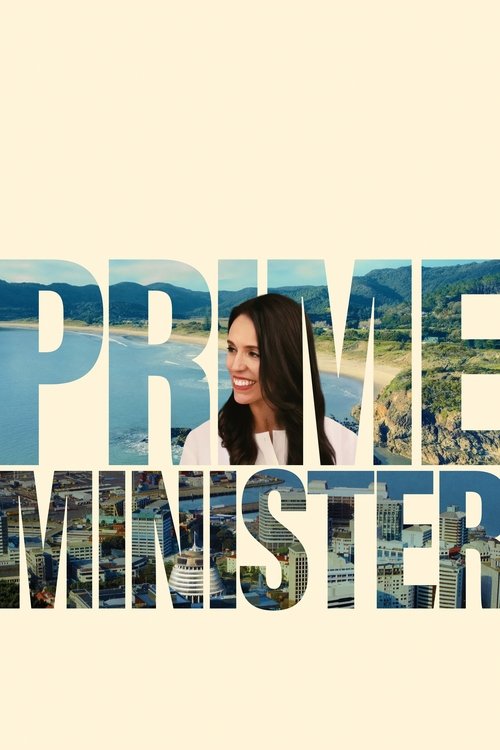
Prime Minister - Review
A Leader Unmasked: A Review of "Prime Minister"
Few figures in recent political history have captured the global imagination quite like Jacinda Ardern. Her blend of empathy, strength, and progressive ideals resonated far beyond the shores of New Zealand, offering a refreshing counterpoint to the often-cynical world of international politics. Now, the documentary "Prime Minister," released on June 13, 2025, seeks to peel back the layers of this iconic leader, offering an intimate and unflinching portrait of her five tumultuous years in power and her subsequent transition. But does this ambitious film succeed in capturing the essence of Jacinda Ardern, or does it fall short of its lofty goals? Let's delve into the heart of "Prime Minister" and explore its strengths, weaknesses, and ultimately, its enduring impact.
Plot and Narrative Structure
“Prime Minister” isn't a straightforward chronological biography. Instead, director Anya Sharma crafts a narrative that interweaves key moments from Ardern’s premiership with more intimate glimpses into her personal life. The film wisely avoids a dry, textbook approach, opting for a more emotionally resonant structure. We see Ardern grappling with the Christchurch mosque shootings, the Whakaari/White Island eruption, and the COVID-19 pandemic, each crisis serving as a lens through which to examine her leadership style and personal resilience. The film doesn't shy away from the political controversies either, addressing criticisms leveled against her government regarding housing affordability, poverty reduction, and climate change policies.
The narrative cleverly employs archival footage, news reports, and exclusive interviews with Ardern herself, her family, colleagues, and even her critics. This multi-faceted approach provides a well-rounded perspective, allowing the audience to draw their own conclusions about her effectiveness and legacy. The film's pacing is generally well-managed, although some might find the segments focusing on policy details a little dense. However, these moments are crucial for understanding the complexities of governing and the difficult choices Ardern faced.
Characters and Performances (Interviews)
While "Prime Minister" is a documentary, the "performances" in this context refer to the authenticity and depth of the interviews. Jacinda Ardern herself is, unsurprisingly, the central figure. She is remarkably candid and self-reflective, offering insights into her decision-making processes, her vulnerabilities, and her unwavering commitment to her values. Her interviews are compelling, revealing a leader who is both confident and acutely aware of the weight of her responsibilities.
The supporting cast of interviewees is equally crucial. Grant Robertson, her Finance Minister and close confidante, provides a valuable insider's perspective on the inner workings of the government. Clarke Gayford, Ardern's partner, offers a touching glimpse into her personal life, portraying her as a dedicated mother and partner navigating the challenges of balancing family and political life. The inclusion of critics, both political opponents and commentators, adds crucial balance, preventing the film from becoming a hagiography. Their perspectives, while often challenging, contribute to a more nuanced and complex understanding of Ardern's legacy.
The film also subtly features the "performance" of the New Zealand public, through snippets of news reports and vox pops. These moments capture the diverse reactions to Ardern's leadership, showcasing both the fervent support and the sharp criticisms she faced. This element adds a layer of realism, reminding us that even the most popular leaders are not universally loved.
Direction and Cinematography
Anya Sharma's direction is both sensitive and insightful. She avoids sensationalism, instead opting for a more observational approach. She allows the story to unfold organically, trusting the power of the footage and the interviews to speak for themselves. Sharma’s skill lies in her ability to weave together disparate elements into a cohesive and compelling narrative. She doesn't shy away from difficult questions, but she also treats her subject with respect and empathy.
The cinematography, handled by veteran documentary filmmaker Benji Kent, is understated but effective. Kent avoids flashy techniques, instead focusing on capturing authentic moments and conveying the emotional weight of the events depicted. The use of natural light and simple compositions creates a sense of intimacy, drawing the viewer into Ardern's world. The archival footage is seamlessly integrated into the film, adding historical context and visual richness. The aerial shots of New Zealand's stunning landscapes provide a powerful backdrop, reminding us of the beauty and fragility of the country Ardern was tasked with leading.
Themes and Messages
“Prime Minister” explores several key themes, most notably the evolving nature of leadership in the 21st century. Ardern's emphasis on empathy, compassion, and collaboration challenged traditional notions of power and authority. The film highlights her commitment to addressing social inequalities, promoting environmental sustainability, and fostering a more inclusive society. It also examines the challenges of balancing these ideals with the practical realities of governing, revealing the compromises and difficult choices that leaders often face.
Another prominent theme is the impact of personal life on political leadership. The film explores how Ardern's experience as a young mother influenced her policies and her approach to leadership. It also examines the toll that the pressures of office took on her personal life, ultimately leading to her decision to resign. This aspect of the film is particularly poignant, reminding us that even the most seemingly invincible leaders are still human beings with their own vulnerabilities and limitations.
Ultimately, "Prime Minister" offers a message of hope and inspiration. It suggests that a more compassionate and empathetic form of leadership is possible, even in the face of immense challenges. It also underscores the importance of courage, resilience, and unwavering commitment to one's values. While the film doesn't shy away from the complexities and contradictions of Ardern's legacy, it ultimately celebrates her positive contributions and her lasting impact on the world stage.
Comparison to Other Films
"Prime Minister" can be compared to other documentaries that explore the lives and careers of political leaders, such as "RBG" (about Ruth Bader Ginsburg) and "My Octopus Teacher" (in its unexpected exploration of leadership through nature). Like "RBG," "Prime Minister" offers an intimate portrait of a groundbreaking figure who challenged established norms and inspired millions. However, "Prime Minister" is arguably more nuanced, acknowledging the criticisms and controversies surrounding Ardern's leadership in a way that "RBG" sometimes avoids. The comparison to "My Octopus Teacher" is more abstract, but both films highlight the importance of empathy and connection in understanding complex systems – whether it's a legal framework or an underwater ecosystem.
In terms of Anya Sharma's previous work, "Prime Minister" shares similarities with her earlier documentary, "The Activist," which explored the lives of several young climate activists. Both films are characterized by their intimate and observational style, their focus on social justice issues, and their commitment to amplifying the voices of marginalized communities. However, "Prime Minister" is arguably more ambitious in scope, tackling a more complex and controversial subject matter.
Positive Aspects
“Prime Minister” excels in several key areas. Firstly, its access to Jacinda Ardern and her inner circle is remarkable, providing a rare and intimate glimpse into her life and work. Secondly, the film's balanced and nuanced approach is commendable. It doesn't shy away from criticisms, presenting a more complex and realistic portrait of Ardern's leadership. Thirdly, the film's cinematography is beautiful and evocative, capturing the essence of New Zealand and the emotional weight of the events depicted. Fourthly, the film's themes are timely and relevant, exploring the evolving nature of leadership in the 21st century and the challenges of balancing personal life with political responsibilities. Finally, the film is genuinely inspiring, offering a message of hope and suggesting that a more compassionate and empathetic form of leadership is possible.
Constructive Criticism
While "Prime Minister" is a compelling and well-made documentary, it's not without its flaws. One potential criticism is that the film could have delved deeper into specific policy failures and their impact on ordinary New Zealanders. While the film acknowledges the criticisms leveled against Ardern's government, it could have provided more concrete examples and explored the perspectives of those who were negatively affected by her policies.
Another minor criticism is that the film occasionally relies on familiar documentary tropes, such as slow-motion shots and overly dramatic music. While these techniques are effective in conveying emotion, they can also feel somewhat manipulative and detract from the film's overall authenticity.
Finally, some viewers might find the film's focus on Ardern's personal life to be excessive. While it's important to understand the impact of personal life on political leadership, the film occasionally veers into territory that feels overly sentimental or intrusive.
Conclusion
"Prime Minister" is a compelling and insightful documentary that offers a rare and intimate portrait of Jacinda Ardern, one of the most inspiring and influential political leaders of our time. While the film is not without its flaws, its strengths far outweigh its weaknesses. Its balanced approach, its beautiful cinematography, and its timely themes make it a must-see for anyone interested in politics, leadership, or the human condition. It's a film that will stay with you long after the credits roll, prompting you to reflect on the kind of world we want to create and the kind of leaders we want to guide us. Ultimately, "Prime Minister" is a testament to the power of empathy, compassion, and unwavering commitment to one's values.
Rating: 8.5/10