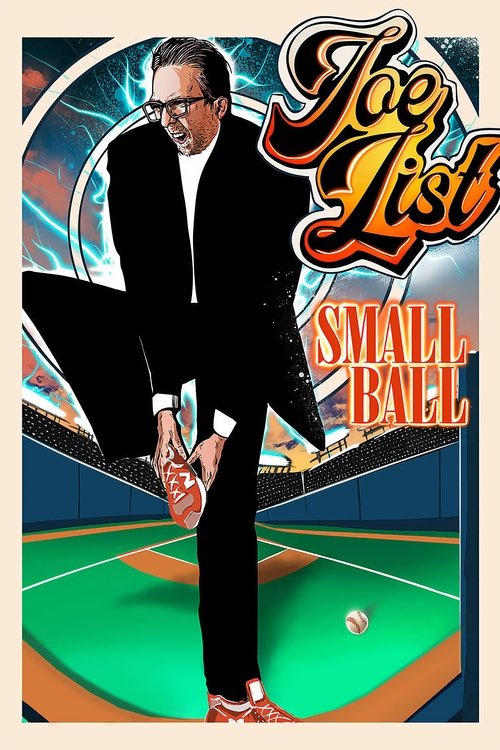
Joe List: Small Ball - Review
Joe List: Small Ball - A Review
Joe List, the comedian known for his deadpan delivery, self-deprecating humor, and surprisingly insightful observations, returns to the stage in "Small Ball," a stand-up special released on May 21st, 2025. This time, however, the stakes feel higher, the anxieties more palpable, and the laughs, perhaps, even more cathartic. Having recently become a father, List grapples with the monumental shift in perspective that parenthood brings, while simultaneously dissecting the everyday absurdities that have always fueled his comedic engine. But does "Small Ball" deliver a grand slam, or does it remain, as the title suggests, a collection of smaller, less impactful moments? Let's dive in.
Plot and Structure: Navigating the Chaos of Fatherhood
Unlike some stand-up specials that attempt to weave a cohesive narrative thread throughout, "Small Ball" adopts a more traditional approach, presenting a series of interconnected bits and observations. The throughline, however, is undeniably the impact of fatherhood on List's life and worldview. He doesn't shy away from the raw, unfiltered realities of raising a newborn, tackling topics ranging from sleep deprivation and projectile vomiting to the existential dread of being responsible for another human being. The special opens with a strong set about the immediate aftermath of his child's birth, setting the tone for the anxieties and joys that will permeate the rest of the performance. He seamlessly transitions into other topics, such as the complexities of male friendship, the struggles of maintaining a healthy lifestyle (or lack thereof), and his ongoing battle with anxiety and self-doubt. While these detours might seem tangential at times, they ultimately circle back to the central theme of personal growth and the challenges of navigating adulthood in a rapidly changing world. The pacing is generally well-managed, with a good mix of short, punchy jokes and longer, more developed anecdotes. However, there are moments where the energy dips slightly, particularly during some of the more introspective segments.
Character Analysis: A Vulnerable and Relatable Joe List
The "character" of Joe List on stage is, as always, a carefully constructed persona. He presents himself as a flawed, insecure, and somewhat cynical individual, quick to point out his own shortcomings and failures. But beneath the surface of self-deprecation lies a genuine vulnerability that resonates with audiences. In "Small Ball," this vulnerability is amplified by the fact that he's grappling with a life-altering event. He's not afraid to admit that he's terrified, overwhelmed, and completely out of his depth as a father. This honesty is what makes him so relatable. He's not trying to be the perfect dad, the enlightened guru, or the comedic genius. He's simply a guy trying to figure things out, one diaper change and sleepless night at a time. His interactions with the audience feel genuine and unscripted, further enhancing the sense of connection. He's not performing *at* them; he's sharing his experiences *with* them. The persona he presents in "Small Ball" feels like a natural evolution of the character he's cultivated over the years, retaining his signature wit and cynicism while adding a layer of emotional depth and maturity. He acknowledges his past mistakes and shortcomings, suggesting a willingness to learn and grow. This makes him a compelling and ultimately sympathetic figure.
Direction and Cinematography: A Focus on the Performance
The direction of "Small Ball," credited to veteran stand-up director Beth Miller, is largely unobtrusive, allowing List's performance to take center stage. The camera work is clean and straightforward, focusing on close-ups of List's face to capture his expressions and reactions. There are occasional wide shots to show the audience and the overall atmosphere of the venue, but the emphasis is always on the comedian and his material. The lighting is well-balanced, creating a warm and inviting atmosphere. The editing is generally tight and efficient, avoiding unnecessary cuts or distractions. Miller understands that the key to a successful stand-up special is to capture the energy and rhythm of the performance without getting in the way. She accomplishes this admirably. While the direction is not particularly innovative or groundbreaking, it is effective in serving the needs of the material. It's a classic, no-frills approach that prioritizes the comedian and his connection with the audience. The cinematography is similarly functional, focusing on clarity and visual appeal rather than artistic experimentation. The use of multiple cameras allows for a variety of angles and perspectives, but the overall aesthetic is clean and uncluttered. The goal is to provide a clear and engaging viewing experience without distracting from the comedy.
Performance Analysis: List's Trademark Delivery and Evolving Style
Joe List's performance in "Small Ball" is a masterclass in deadpan delivery and understated humor. His timing is impeccable, his facial expressions are subtle yet effective, and his ability to find the humor in the mundane is unparalleled. He's not a flashy performer; he doesn't rely on loud voices, exaggerated gestures, or shock value. Instead, he lets the material speak for itself, trusting in his ability to craft clever jokes and insightful observations. What sets "Small Ball" apart from some of his previous work is the added layer of emotional depth. He's still funny, still cynical, still self-deprecating, but he's also more open and vulnerable. He's willing to share his fears, his anxieties, and his insecurities with the audience, creating a sense of intimacy and connection. His delivery remains consistent with his established style, but there's a noticeable shift in tone. He's not just trying to get laughs; he's trying to connect with people on a deeper level. He's exploring themes of fatherhood, friendship, and personal growth in a way that feels authentic and relatable. His jokes about parenthood are particularly strong, capturing the exhaustion, the frustration, and the overwhelming love that comes with raising a child. He also shines in his observational humor, dissecting the absurdities of everyday life with his trademark wit and cynicism. Overall, List delivers a strong and compelling performance in "Small Ball," showcasing his evolving comedic style and his ability to connect with audiences on a personal level.
Themes and Messages: Parenthood, Anxiety, and the Search for Meaning
"Small Ball" explores a range of themes, but the most prominent is undoubtedly the impact of parenthood on List's life. He grapples with the challenges of raising a child, the loss of freedom, and the overwhelming responsibility that comes with being a parent. However, he also acknowledges the joys and rewards of fatherhood, the unconditional love, and the profound sense of purpose that it brings. The special also delves into themes of anxiety and self-doubt, which have always been a recurring motif in List's comedy. He openly discusses his struggles with mental health, his insecurities about his career, and his fears about the future. This honesty is refreshing and relatable, particularly for those who also struggle with similar issues. Another key theme is the importance of friendship and connection. List talks about his close relationships with his male friends, the support they provide, and the shared experiences that bind them together. He emphasizes the importance of having people in your life who understand you, who can make you laugh, and who can help you through difficult times. Ultimately, "Small Ball" is a meditation on the search for meaning and purpose in life. List doesn't offer any easy answers or profound solutions, but he suggests that the key is to embrace the chaos, to find humor in the absurd, and to connect with others along the way. The special leaves the audience with a sense of hope and optimism, reminding them that even in the face of adversity, there is always something to laugh about.
Comparison to Other Works: Building on a Foundation of Self-Deprecation
Comparing "Small Ball" to Joe List's previous stand-up specials, such as "I Hate Myself" and "Are You Mad at Me?", reveals a clear evolution in his comedic style and thematic focus. While his earlier works were primarily focused on self-deprecation and observational humor, "Small Ball" delves deeper into personal and emotional territory. He's still self-deprecating, but the self-deprecation feels more nuanced and less gratuitous. He's still funny, but the humor is often tinged with a sense of vulnerability and introspection. In terms of other stand-up specials that explore similar themes, "Small Ball" shares some common ground with Mike Birbiglia's "The New One" and Jim Gaffigan's "Obsessed." Both Birbiglia and Gaffigan have tackled the topic of parenthood in their comedy, exploring the challenges and joys of raising children. However, List's approach is distinct in its raw honesty and unfiltered perspective. He doesn't romanticize parenthood or present himself as the perfect dad. He's simply a guy trying to figure things out, one day at a time. Compared to other comedians who rely on shock value or political commentary, List's comedy is more grounded and relatable. He focuses on the everyday experiences that connect people, the shared anxieties and insecurities that we all face. His humor is not divisive or confrontational; it's unifying and empathetic.
Positive Aspects: Honesty, Relatability, and Sharp Wit
There are numerous positive aspects to "Small Ball." First and foremost, List's honesty and vulnerability are incredibly refreshing. He's not afraid to be himself, to admit his flaws, and to share his struggles with the audience. This creates a sense of connection and relatability that is rare in stand-up comedy. His material is also incredibly sharp and well-crafted. He has a knack for finding the humor in the mundane, for dissecting the absurdities of everyday life, and for delivering his jokes with impeccable timing. His deadpan delivery is perfectly suited to his material, enhancing the impact of his punchlines and creating a unique comedic style. The special is also well-paced and well-structured, with a good mix of short jokes and longer anecdotes. The direction and cinematography are unobtrusive, allowing List's performance to take center stage. Finally, the themes explored in "Small Ball" are universal and relatable, making the special accessible to a wide audience. He tackles topics such as parenthood, anxiety, friendship, and the search for meaning in a way that feels authentic and insightful.
Constructive Criticism: Moments of Unevenness and Introspection Overload
While "Small Ball" is a strong and compelling stand-up special, it's not without its flaws. There are moments where the energy dips slightly, particularly during some of the more introspective segments. While List's honesty is admirable, there are times when the self-deprecation becomes a bit repetitive and predictable. The special could benefit from a bit more variety in terms of subject matter. While parenthood is the central theme, there are moments where it feels like he's beating a dead horse. Some of the jokes about sleep deprivation and diaper changes feel a bit generic and uninspired. Additionally, while the direction is generally effective, there are moments where the camera work feels a bit static and uninspired. A few more dynamic shots or creative visual flourishes could have added some visual interest to the special. Finally, while List's deadpan delivery is a hallmark of his comedic style, there are times when it can come across as a bit monotonous. A bit more variation in his vocal delivery could have added more punch and impact to his jokes.
Conclusion
"Joe List: Small Ball" is a compelling and insightful stand-up special that showcases the comedian's evolving style and his ability to connect with audiences on a personal level. While it's not without its flaws, the special's honesty, relatability, and sharp wit make it a worthwhile watch for fans of stand-up comedy. List's exploration of parenthood, anxiety, and the search for meaning is both funny and thought-provoking, leaving the audience with a sense of hope and optimism. "Small Ball" is not just a collection of jokes; it's a reflection on life, love, and the challenges of navigating adulthood in a chaotic world. It's a testament to List's talent as a comedian and his ability to find humor in the face of adversity. While it may not be a grand slam, it's certainly a solid hit, demonstrating List's continued growth and evolution as a performer.