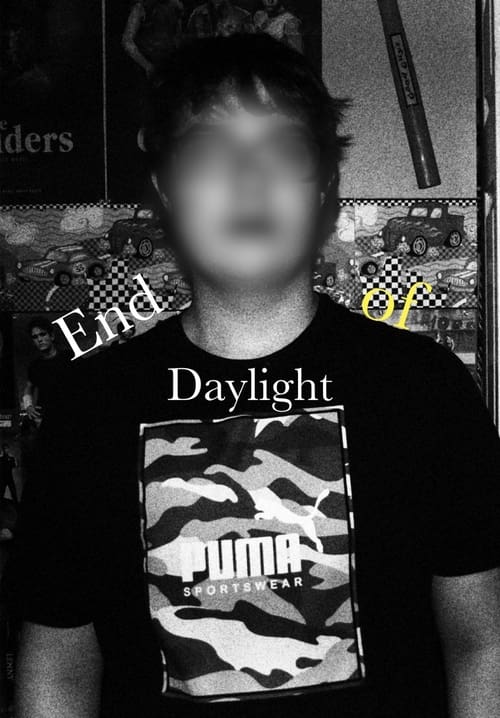
End of Daylight - Review
End of Daylight: A Review
Imagine a world where the sun stubbornly refuses to set, mirroring the relentless pressure bearing down on a young man caught in a web of crime. "End of Daylight," released on May 30th, 2025, plunges us into the twilight world of Alan Ackerly, a 17-year-old high school student whose life takes a sharp, irrevocable turn into the murky depths of Pennsylvania's underground mafia. This crime drama, with its lingering sense of unease and a palpable tension that never quite dissipates, is a gripping exploration of innocence lost, the allure of easy money, and the agonizing choices that define a life. But does "End of Daylight" fully deliver on its promise? Let's delve into the shadows and find out.
Plot Analysis: A Descent into Darkness
The narrative of "End of Daylight" is a slow burn, meticulously crafted to draw the viewer into Alan's increasingly precarious situation. We meet Alan (played with impressive vulnerability by newcomer Ethan Bellweather) as a seemingly ordinary teenager, navigating the usual trials of high school life – friendships, budding romance with his girlfriend, Sarah (Chloe Vance), and the looming uncertainty of the future. However, a chance encounter, a moment of weakness, or perhaps a calculated risk, leads him down a path he never anticipated. He becomes entangled with a local mafia operation, initially through seemingly harmless tasks that quickly escalate into more dangerous and morally compromising activities.
The film excels in portraying the gradual erosion of Alan's innocence. Each task, each lie, each act of complicity chips away at his moral compass. The script, penned by veteran crime writer David Morales, is sharp and realistic, avoiding the over-the-top theatrics often associated with the genre. The pacing, while deliberate, maintains a constant sense of unease, mirroring Alan's own growing anxiety. The plot unfolds with a naturalistic quality, allowing the audience to empathize with Alan's predicament, even as he makes questionable choices. The tension between his desire to escape the criminal underworld and his fear of the consequences keeps the audience on the edge of their seats.
However, the plot isn't without its flaws. While the slow burn is effective in building tension, at times it borders on sluggishness. Certain subplots, such as Sarah's own struggles with her family, feel underdeveloped and somewhat tangential to the main narrative. The motivations of some of the mafia figures, particularly the enigmatic boss, Mr. Rossi (played with chilling restraint by veteran actor Mark Jenkins), could have been explored in greater depth. While Jenkins delivers a compelling performance, Mr. Rossi remains somewhat of a cipher, leaving the audience wanting more insight into his character's motivations and background.
Character Development: Navigating the Moral Maze
"End of Daylight" truly shines in its character development, particularly with Alan. Ethan Bellweather delivers a breakout performance, capturing Alan's vulnerability, fear, and growing desperation with remarkable authenticity. We witness his transformation from an ordinary teenager to a young man burdened by guilt and forced to make increasingly difficult choices. His relationship with Sarah provides a crucial anchor in his life, offering moments of respite from the darkness that surrounds him. Chloe Vance portrays Sarah as a strong and independent young woman, fiercely loyal to Alan but also unwilling to compromise her own moral principles. Their relationship is tested throughout the film, forcing them to confront the consequences of Alan's actions and the potential impact on their future.
The supporting characters, while not as fully developed as Alan and Sarah, add depth and texture to the narrative. Mr. Rossi, as mentioned earlier, is a compelling presence, even if his motivations remain somewhat opaque. His lieutenant, Marco (played by Javier Rodriguez), is a more overtly menacing figure, serving as a constant reminder of the danger Alan faces. Alan's parents, played by seasoned character actors Susan Davies and Robert Miller, provide a glimpse into his life before his involvement with the mafia, highlighting the stark contrast between his past innocence and his present predicament. Their ignorance of Alan's activities adds another layer of tension to the film, as the audience knows that their world is about to be shattered.
One minor criticism is that some of the supporting characters feel somewhat stereotypical. Marco, for instance, is a fairly stock villain, lacking the nuance and complexity that could have made him a more compelling antagonist. However, the strength of Bellweather's performance and the authenticity of the relationship between Alan and Sarah more than compensate for these minor shortcomings.
Direction and Cinematography: Painting a Portrait of Despair
Director Emily Carter, known for her previous independent dramas, brings a distinct visual style to "End of Daylight." The film is shot with a muted color palette, emphasizing the bleakness and despair of Alan's situation. The use of shadows and low lighting creates a sense of unease and foreboding, perfectly capturing the film's dark and gritty atmosphere. The cinematography, by veteran DP Johnathan Blake, is particularly noteworthy. Blake's use of natural light, or rather the lack thereof, is masterful, reflecting the film's title and the metaphorical "end of daylight" in Alan's life.
Carter's direction is subtle and understated, allowing the performances to speak for themselves. She avoids flashy camera movements and instead focuses on capturing the raw emotions of the characters. The pacing, as mentioned earlier, is deliberate, but Carter manages to maintain a sense of momentum throughout the film. She effectively uses close-ups to convey Alan's inner turmoil, allowing the audience to connect with him on a deeply emotional level. The film's climax is particularly well-directed, with a palpable sense of tension and suspense. Carter skillfully builds the tension, culminating in a powerful and emotionally resonant conclusion.
However, the film's visual style, while effective, could be seen as somewhat derivative of other crime dramas. The muted color palette and use of shadows are common tropes in the genre. While Carter puts her own spin on these elements, the film's visual style doesn't necessarily break new ground. A more distinctive visual approach could have elevated the film to another level.
Performances: A Showcase of Talent
The performances in "End of Daylight" are uniformly strong, with Ethan Bellweather leading the charge. His portrayal of Alan is nuanced and believable, capturing the character's vulnerability, fear, and growing desperation with remarkable skill. Chloe Vance is equally impressive as Sarah, portraying a strong and independent young woman who is fiercely loyal to Alan but also unwilling to compromise her own moral principles. Their on-screen chemistry is palpable, making their relationship feel authentic and believable.
Mark Jenkins delivers a chilling performance as Mr. Rossi, conveying the character's quiet menace and ruthless ambition with understated brilliance. Javier Rodriguez is effective as Marco, providing a more overtly menacing presence. Susan Davies and Robert Miller are excellent as Alan's parents, portraying their characters with warmth and authenticity. The supporting cast, as a whole, is strong, contributing to the film's overall sense of realism.
Bellweather's performance is particularly noteworthy. He manages to convey Alan's inner turmoil without resorting to melodrama. His eyes tell the story of a young man who is slowly losing his innocence and struggling to find a way out of the darkness. He is a talent to watch, and "End of Daylight" is likely to be a breakout role for him.
Themes and Messages: Exploring the Gray Areas
"End of Daylight" explores several complex themes, including the loss of innocence, the allure of easy money, the consequences of bad choices, and the struggle for redemption. The film suggests that even seemingly small decisions can have profound and lasting consequences, shaping the course of a person's life. It also explores the moral gray areas that exist in the criminal underworld, where the lines between right and wrong become blurred. Alan's journey forces him to confront these moral ambiguities and to grapple with the ethical implications of his actions.
The film also touches on themes of family and loyalty. Alan's relationship with Sarah provides a crucial anchor in his life, offering him a sense of hope and connection in the midst of the darkness. His relationship with his parents, however, is strained by his secret activities, highlighting the destructive power of lies and deception. The film suggests that true loyalty requires honesty and transparency, even when it is difficult.
Ultimately, "End of Daylight" is a cautionary tale about the dangers of getting involved with the wrong people and the importance of making ethical choices. It is a reminder that even in the darkest of circumstances, there is always hope for redemption. The film's ending, while ambiguous, suggests that Alan has the potential to break free from the cycle of violence and to build a better future for himself.
Comparison to Other Films: Echoes of the Past
"End of Daylight" shares similarities with other crime dramas that explore the themes of innocence lost and the allure of the criminal underworld. Films like "Goodfellas," "Donnie Brasco," and "A Bronx Tale" all depict young men who are drawn into a life of crime and forced to confront the consequences of their actions. However, "End of Daylight" distinguishes itself through its focus on the psychological impact of crime on its protagonist. The film delves deeper into Alan's inner turmoil, exploring the moral and emotional toll that his activities take on him.
Emily Carter's direction also draws comparisons to the work of directors like David Fincher and Christopher Nolan, known for their dark and atmospheric crime thrillers. However, Carter's style is more understated and character-driven, focusing on the human drama at the heart of the story. While "End of Daylight" doesn't necessarily break new ground in terms of its genre conventions, it is a well-crafted and compelling addition to the crime drama canon.
Positive Aspects: Strengths in Storytelling and Performance
The strengths of "End of Daylight" lie in its compelling storyline, strong character development, and excellent performances. Ethan Bellweather delivers a breakout performance as Alan, capturing the character's vulnerability and desperation with remarkable authenticity. Chloe Vance is equally impressive as Sarah, portraying a strong and independent young woman who is fiercely loyal to Alan. The supporting cast is also strong, contributing to the film's overall sense of realism. The direction is subtle and understated, allowing the performances to speak for themselves. The cinematography is effective in creating a dark and atmospheric mood, perfectly capturing the film's themes of despair and moral ambiguity.
Constructive Criticism: Areas for Improvement
While "End of Daylight" is a well-made film, it is not without its flaws. The pacing, while deliberate, can at times feel sluggish. Certain subplots feel underdeveloped and somewhat tangential to the main narrative. The motivations of some of the mafia figures could have been explored in greater depth. The film's visual style, while effective, could be seen as somewhat derivative of other crime dramas. A more distinctive visual approach could have elevated the film to another level. Some of the supporting characters feel somewhat stereotypical.
Conclusion: A Gripping Descent into Darkness
"End of Daylight" is a gripping and thought-provoking crime drama that explores the themes of innocence lost, the allure of easy money, and the consequences of bad choices. While the film has its flaws, its strengths in storytelling, character development, and performance outweigh its weaknesses. Ethan Bellweather delivers a breakout performance as Alan, and the supporting cast is equally strong. Emily Carter's direction is subtle and effective, and the cinematography is visually striking. Overall, "End of Daylight" is a worthwhile addition to the crime drama genre and a testament to the talents of its cast and crew.