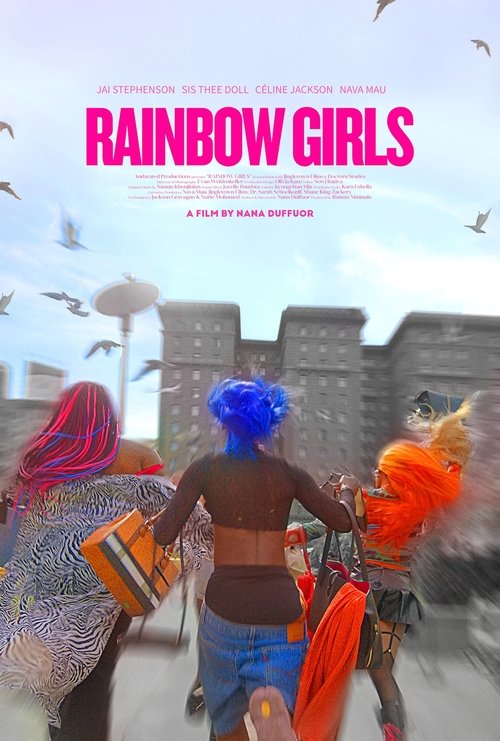
Rainbow Girls - Review
Rainbow Girls: A Vibrant Heist with a Heart of Gold
San Francisco, 2025. The city glitters with tech money, a seductive sheen that hides the brutal reality of displacement and inequality. It's in this shimmering, yet fractured landscape that "Rainbow Girls," the latest offering from director Anya Sharma, explodes onto the screen. More than just a stylish heist movie, it's a poignant, funny, and fiercely political story about three young black trans women who decide they've had enough, choosing to fight back against a system that seems determined to erase them. From its electric opening scene to its surprisingly tender conclusion, "Rainbow Girls" is a film that stays with you long after the credits roll.
Plot: Audacity and Advocacy
The film centers around Nova (played with captivating vulnerability and strength by newcomer Imani Banks), a coder struggling to make ends meet, Deja (portrayed with infectious energy and razor-sharp wit by veteran actress Chloe Davis), a charismatic performer and activist, and Luna (brought to life with quiet intensity and unwavering conviction by rising star Seraphina Jones), a skilled hacker with a troubled past. They are bound together not only by their shared identities as black trans women but also by their experience of navigating a city that increasingly feels hostile to their existence. The soaring rents, the microaggressions, the outright discrimination – it all builds to a breaking point.
The catalyst for their audacious plan is the impending eviction of their community center, a vital safe space and resource for trans youth. Faced with the prospect of losing this lifeline, Nova, Deja, and Luna hatch a plan to rob a series of high-end boutiques catering to the city’s elite. Their targets aren't just random luxury brands; they are carefully selected businesses with a history of discriminatory practices and unethical sourcing. The heists themselves are meticulously planned and executed, blending elements of classic caper films with a distinctly modern sensibility. They use their unique skills – Nova’s coding expertise, Deja’s performance prowess for distraction, and Luna’s hacking abilities – to outsmart security systems and evade the authorities.
However, "Rainbow Girls" doesn't shy away from the complexities and moral ambiguities of their actions. The film explores the ethical implications of their crimes, forcing the audience to confront the question of whether the ends justify the means. As the heists become more daring and the stakes get higher, the women face internal conflicts and external pressures that threaten to tear them apart.
Characters: Authenticity and Complexity
The strength of "Rainbow Girls" lies in its nuanced and authentic portrayal of its characters. Nova, Deja, and Luna are not simply archetypes; they are fully realized individuals with their own dreams, fears, and flaws. Imani Banks delivers a breakout performance as Nova, capturing her character's intelligence, vulnerability, and unwavering determination. Chloe Davis shines as Deja, bringing a much-needed dose of humor and levity to the film while also conveying the character's deep-seated anger and frustration. Seraphina Jones is magnetic as Luna, portraying her character's quiet strength and inner turmoil with remarkable subtlety.
Beyond the central trio, the supporting characters are equally well-developed. We see the challenges faced by the trans community through the eyes of the young people who rely on the community center. We witness the struggles of allies trying to support the Rainbow Girls, and we are introduced to complex antagonists who are not simply villains but rather products of the system the women are fighting against.
Direction: Sharma's Vision
Anya Sharma's direction is confident and assured, showcasing her ability to balance the film's various tones and themes. She seamlessly blends elements of suspense, humor, and social commentary, creating a film that is both entertaining and thought-provoking. Sharma's use of visual storytelling is particularly effective, using camera angles and editing to convey the characters' emotions and the changing dynamics of their relationships. She also demonstrates a keen eye for detail, capturing the vibrant energy and diverse communities of San Francisco.
Sharma's commitment to authenticity is evident in her casting choices and her collaborative approach to filmmaking. She worked closely with trans consultants and community organizations to ensure that the film accurately and respectfully portrays the experiences of trans women of color. This dedication to representation elevates "Rainbow Girls" beyond a simple heist movie, transforming it into a powerful and important work of art.
Cinematography: A Visual Feast
The cinematography, helmed by veteran DP Lena Moreau, is a visual feast. Moreau captures the beauty and grit of San Francisco with equal skill, showcasing the city's iconic landmarks alongside its hidden corners and marginalized communities. The use of color is particularly striking, with vibrant hues reflecting the energy and resilience of the Rainbow Girls while also contrasting with the bleakness of their circumstances. The action sequences are expertly shot, creating a sense of excitement and suspense without resorting to gratuitous violence.
Moreau also uses light and shadow to great effect, highlighting the characters' emotions and inner struggles. Close-up shots emphasize their vulnerability and humanity, while wide shots showcase their defiance and strength. The cinematography is not just visually stunning; it also serves to enhance the film's narrative and emotional impact.
Performances: A Stellar Ensemble
The performances in "Rainbow Girls" are uniformly excellent. As mentioned before, Imani Banks, Chloe Davis, and Seraphina Jones deliver career-defining performances, bringing their characters to life with authenticity, vulnerability, and undeniable charisma. The supporting cast is equally strong, with notable performances from [mention a few supporting actors and their roles]. The chemistry between the actors is palpable, creating a sense of camaraderie and shared purpose that is essential to the film's success.
The film also benefits from its diverse cast and crew, reflecting the communities it portrays. This commitment to representation not only enriches the film's authenticity but also provides opportunities for talented individuals who have historically been excluded from the film industry.
Themes and Messages: Beyond the Heist
While the heist plot provides the narrative framework for "Rainbow Girls," the film's true power lies in its exploration of complex themes and messages. At its core, the film is a story about resilience, resistance, and the power of community. It celebrates the strength and beauty of black trans women while also acknowledging the challenges they face in a society that often marginalizes and dehumanizes them.
The film also raises important questions about economic inequality, gentrification, and the ethics of resistance. It challenges the audience to consider the systemic forces that contribute to these problems and to question the status quo. "Rainbow Girls" is not afraid to be political, using its platform to amplify the voices of those who are often silenced.
Furthermore, the film explores themes of identity, self-acceptance, and the importance of finding your chosen family. Nova, Deja, and Luna each grapple with their own personal struggles, but they find solace and strength in their relationships with each other and with their community. The film reminds us that we are not alone and that we can overcome even the most daunting challenges when we stand together.
Comparisons: Echoes and Innovations
"Rainbow Girls" draws inspiration from a variety of sources, including classic heist films like "Ocean's Eleven" and socially conscious dramas like "Thelma & Louise." However, it also forges its own unique path, offering a fresh perspective on familiar tropes. The film's focus on black trans women sets it apart from other heist movies, providing a much-needed representation of marginalized communities.
Anya Sharma's previous work, particularly her debut feature "Urban Echoes," explored similar themes of social justice and community activism. However, "Rainbow Girls" represents a significant step forward in her filmmaking career, showcasing her growth as a director and storyteller. The film's larger scale, more complex plot, and more nuanced characters demonstrate Sharma's increasing confidence and ambition.
In terms of performances, Chloe Davis's role in "Rainbow Girls" can be compared to her previous work in "Pose," where she also played a trans woman navigating the complexities of identity and community. However, her performance in "Rainbow Girls" is arguably more nuanced and layered, showcasing her range as an actress. Imani Banks and Seraphina Jones, while newer to the scene, hold their own, and are poised for bigger roles in the future.
Positive Aspects: A Triumph of Representation and Storytelling
"Rainbow Girls" is a triumph of representation, offering a powerful and authentic portrayal of black trans women. The film's nuanced characters, compelling plot, and thought-provoking themes make it a must-see for anyone interested in social justice, heist movies, or simply good storytelling. The performances are outstanding, the cinematography is stunning, and Anya Sharma's direction is confident and assured.
The film's commitment to authenticity and inclusivity is particularly commendable. The filmmakers worked closely with trans consultants and community organizations to ensure that the film accurately and respectfully portrays the experiences of trans women of color. This dedication to representation elevates "Rainbow Girls" beyond a simple entertainment product, transforming it into a valuable and important work of art.
Constructive Criticism: Areas for Improvement
While "Rainbow Girls" is a remarkable film, it is not without its flaws. At times, the plot can feel a bit convoluted, with multiple subplots competing for attention. The pacing could also be improved in certain sections, particularly in the middle act. A few scenes felt exposition-heavy, and could have benefitted from a more subtle approach to conveying information.
Furthermore, while the film does a good job of exploring the complexities of the characters' actions, it could have delved even deeper into the ethical implications of their crimes. The film occasionally leans into heist movie tropes that feel somewhat predictable. Exploring the lasting consequences of their actions more fully could have added another layer of depth to the narrative.
Conclusion: A Must-See Movie
Despite its minor flaws, "Rainbow Girls" is a powerful and important film that deserves to be seen by a wide audience. It's a celebration of resilience, resistance, and the power of community, told through the lens of three unforgettable characters. Anya Sharma has crafted a film that is both entertaining and thought-provoking, showcasing her talent as a director and storyteller. With its strong performances, stunning cinematography, and timely themes, "Rainbow Girls" is a film that will stay with you long after the credits roll. It's a vibrant and vital addition to the cinematic landscape, proving that representation matters and that stories from marginalized communities deserve to be told.
Rating: 9/10