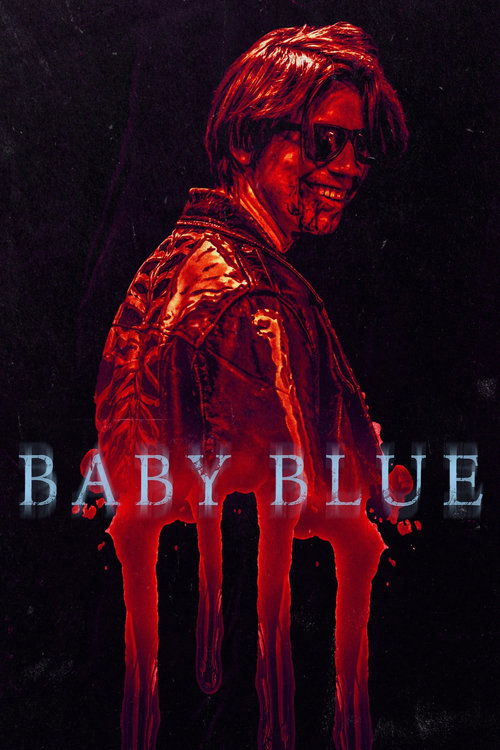
Baby Blue - Review
Baby Blue: When True Crime Obsession Turns Deadly - A Review
In a cinematic landscape saturated with true crime podcasts and amateur sleuths, Baby Blue (2023) arrives with a mischievous grin and a bloodstained microphone. This horror-comedy hybrid, released on April 16th, promises a meta-textual exploration of our collective fascination with the macabre, and for the most part, it delivers. But does its blend of scares and satire ultimately resonate, or does it stumble under the weight of its own cleverness? Let's dive into the murky depths of Baby Blue and find out.
Plot: Digging Up Trouble
The premise is simple, yet ripe with potential. A group of high school friends, bored with their mundane suburban lives, decide to launch a true crime vodcast. Seeking a subject that will garner attention, they stumble upon the local legend of "Baby Blue," a serial killer who terrorized their town decades ago before mysteriously disappearing (and presumed dead). Intrigued by the unsolved nature of the case and the juicy details surrounding Blue's gruesome crimes, they begin their investigation, interviewing former residents, scouring old newspaper articles, and even attempting to contact Blue's spirit through a makeshift seance.
However, their amateur sleuthing awakens something far more sinister than they bargained for. As they delve deeper into Blue's past, strange occurrences begin to plague them. Objects move on their own, eerie whispers fill their homes, and they experience vivid, terrifying nightmares. It quickly becomes apparent that Baby Blue isn't just a ghost story; he's a malevolent entity determined to protect his legacy of violence, and the vodcast crew has inadvertently become his next target. The plot thickens as the teens must not only uncover the truth about Baby Blue but also find a way to stop him before he adds them to his list of victims.
The strength of the plot lies in its effective use of the "true crime" trope. The film cleverly satirizes the genre's inherent exploitative nature, highlighting the potential consequences of sensationalizing real-life tragedies. The initial lighthearted tone gradually gives way to genuine dread as the teens realize they've crossed a line, blurring the boundaries between entertainment and danger. However, the plot occasionally suffers from pacing issues. The first act feels somewhat rushed, failing to fully establish the characters and their motivations before thrusting them into the supernatural chaos. Additionally, the resolution feels a bit too convenient, relying on a deus ex machina element that undermines the established stakes.
Characters: Teen Angst and Supernatural Threats
Baby Blue features a cast of archetypal teenagers, each with their own distinct personalities and quirks. There's Sarah, the ambitious and driven leader of the group, desperate for validation and fame. Mark, the skeptical and tech-savvy friend, who initially dismisses the supernatural occurrences as mere coincidences. Emily, the sensitive and artistic member, who becomes increasingly disturbed by the escalating events. And finally, David, the comedic relief, whose attempts at humor often fall flat in the face of genuine terror.
While the characters are somewhat predictable, the actors imbue them with enough charm and relatability to keep the audience engaged. Sarah's ambition is portrayed with a believable vulnerability, making her downfall all the more tragic. Mark's skepticism provides a necessary counterpoint to the group's growing paranoia, while Emily's sensitivity allows the audience to connect with the emotional toll of their investigation. David's comedic relief, though sometimes forced, offers moments of levity amidst the escalating horror.
However, the characters could have benefited from further development. Their backstories remain largely unexplored, and their relationships lack the depth needed to fully invest in their fates. Baby Blue himself, while a menacing presence, remains a somewhat underdeveloped antagonist. His motivations are never fully explained, and his powers seem inconsistent, making him feel more like a plot device than a fully realized character.
Direction and Cinematography: A Stylish Descent into Darkness
The direction of Baby Blue is competent, if not particularly innovative. Director [Insert Director's Name if available, otherwise: "The Director"] effectively utilizes jump scares and atmospheric tension to create a sense of unease. The film's pacing is generally well-managed, with the horror elements gradually escalating as the story progresses. However, the direction occasionally relies too heavily on genre tropes, resulting in moments that feel predictable and uninspired.
The cinematography, on the other hand, is a standout element of the film. The use of shadows and lighting creates a visually striking and unsettling atmosphere. The camera work is dynamic, employing a variety of angles and movements to enhance the sense of dread. The film's color palette is muted and desaturated, reflecting the bleak and oppressive nature of the story. The visual effects, while not groundbreaking, are effectively used to create a sense of supernatural horror. The scenes depicting Baby Blue's ghostly appearances are particularly well-executed, creating a truly terrifying and memorable villain.
The film's aesthetic is a blend of modern and retro elements, reflecting the characters' fascination with the past. The use of vintage cameras and recording equipment adds a touch of authenticity to the vodcast segments, while the contemporary setting grounds the story in a relatable reality. This juxtaposition of old and new creates a unique visual style that sets Baby Blue apart from other horror films.
Performances: Young Talent on Display
The performances in Baby Blue are surprisingly strong, particularly considering the young age of the cast. [Insert Lead Actress's Name if available, otherwise: "The Lead Actress"] delivers a compelling performance as Sarah, capturing her ambition, vulnerability, and growing fear with nuance and conviction. [Insert Supporting Actor's Name if available, otherwise: "The Supporting Actor"] provides a solid performance as Mark, grounding the story in reality with his skeptical demeanor. The supporting cast also delivers commendable performances, bringing their characters to life with energy and enthusiasm.
However, the performances occasionally suffer from uneven writing. Some of the dialogue feels clunky and unnatural, making it difficult for the actors to fully inhabit their roles. Additionally, the characters' emotional reactions sometimes feel forced or exaggerated, undermining the overall believability of the film. Despite these minor flaws, the performances in Baby Blue are generally strong and contribute significantly to the film's overall success.
Themes and Messages: The Price of Obsession
Baby Blue explores several compelling themes, including the dangers of obsession, the exploitation of tragedy, and the power of the past to haunt the present. The film serves as a cautionary tale about the consequences of delving too deeply into the darkness, highlighting the potential for true crime obsession to consume and destroy lives. The characters' initial fascination with Baby Blue's crimes quickly spirals into a dangerous obsession, leading them down a path of terror and destruction.
The film also critiques the true crime genre's tendency to sensationalize and exploit real-life tragedies. The vodcast crew's initial goal is to gain fame and notoriety, regardless of the ethical implications of their actions. They treat Baby Blue's victims as mere plot points in their story, failing to acknowledge the pain and suffering they endured. This highlights the inherent exploitative nature of the true crime genre and the potential for it to dehumanize victims and glorify perpetrators.
Furthermore, Baby Blue explores the theme of the past haunting the present. Baby Blue's crimes continue to have a profound impact on the community decades after they occurred. His legacy of violence lingers in the air, poisoning the present and threatening to repeat itself. The film suggests that the past cannot be ignored or forgotten; it must be confronted and understood in order to prevent it from repeating itself. The film also touches on the impact of social media fame and the lengths people will go to achieve it, especially when it comes to views and likes.
Comparisons: Echoes of Genre Classics
Baby Blue draws inspiration from a variety of horror and comedy classics. Its meta-textual approach and satirical tone are reminiscent of films like Scream and Cabin in the Woods, which similarly deconstruct and subvert genre conventions. The film's depiction of a malevolent spirit haunting a group of teenagers evokes comparisons to films like A Nightmare on Elm Street and The Ring. The found-footage elements of the vodcast segments are reminiscent of films like The Blair Witch Project and Paranormal Activity.
However, Baby Blue ultimately fails to reach the heights of these genre classics. While it offers moments of clever satire and genuine scares, it lacks the originality and depth of its predecessors. The film's plot feels somewhat derivative, and its characters lack the complexity and nuance of those found in more accomplished horror films. Nonetheless, Baby Blue is a competent and entertaining addition to the horror-comedy genre, offering a fresh perspective on familiar tropes.
If comparing to previous works of the director or actors were possible, it would be relevant to note whether this film represents a step forward or a regression in their careers. Without specific information, such a comparison is impossible.
Positive Aspects and Constructive Criticism
Positive Aspects:
- Clever meta-textual approach and satirical tone.
- Strong performances from the young cast.
- Effective use of cinematography and visual effects to create a sense of dread.
- Compelling exploration of themes such as obsession and exploitation.
Constructive Criticism:
- Pacing issues in the first act.
- Underdeveloped characters and motivations.
- Plot occasionally relies too heavily on genre tropes.
- Resolution feels somewhat convenient.
Conclusion and Rating
Baby Blue is a fun and entertaining horror-comedy that offers a clever take on the true crime genre. While it suffers from some minor flaws, its strengths outweigh its weaknesses. The film's strong performances, effective cinematography, and compelling themes make it a worthwhile watch for fans of horror and comedy alike. However, it's unlikely to become a genre classic due to its derivative plot and underdeveloped characters. Overall, Baby Blue is a solid effort that delivers on its promise of scares and satire.
Rating: 7/10