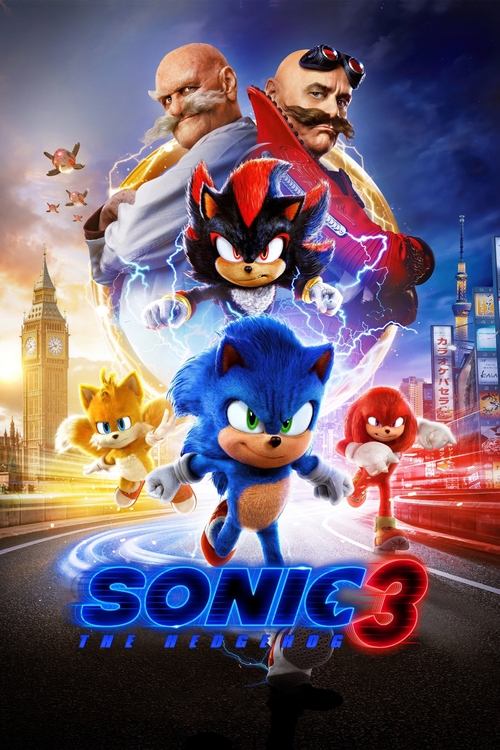
Sonic the Hedgehog 3 - Review
Sonic the Hedgehog 3: A Shadow of Doubt or a Speedster's Triumph?
The blue blur is back, and this time, he's facing his toughest challenge yet. Sonic the Hedgehog 3, released on December 19th, 2024, promised a darker, more complex narrative with the introduction of Shadow the Hedgehog, a character long awaited by fans of the video game franchise. Does this third installment deliver on the hype, or does it stumble in the shadow of its predecessor? Let's dive in.
Plot: A Race Against Time and Darkness
The film picks up sometime after the events of Sonic the Hedgehog 2. Sonic, Knuckles, and Tails are enjoying a period of relative peace, honing their skills and adjusting to their lives on Earth. However, this tranquility is shattered by the emergence of Shadow, a powerful and enigmatic being with a mysterious connection to Dr. Robotnik's past. Shadow, fueled by an unknown agenda, possesses abilities that mirror and even surpass Sonic's, making him a formidable adversary.
The plot initially follows a familiar structure: a new villain arrives, posing a significant threat that Team Sonic must overcome. However, Sonic the Hedgehog 3 attempts to deepen the narrative by exploring the origins of Shadow and his motivations. Flashback sequences reveal a tragic past involving a scientist named Gerald Robotnik (Dr. Robotnik's grandfather) and a project known as "Project Shadow." This project aimed to create the ultimate life form, capable of harnessing immense power, but it ultimately led to tragedy and Shadow's creation.
As Shadow wreaks havoc, Team Sonic finds themselves outmatched at every turn. Sonic's speed and agility are no match for Shadow's raw power and Chaos Control abilities. Knuckles' strength proves insufficient, and Tails' inventions struggle to keep up. Realizing they need help, Team Sonic seeks out an unlikely alliance with a group of G.U.N. operatives, led by a hardened commander who initially views Sonic and his friends as a threat. This alliance introduces new characters and perspectives, adding another layer to the narrative.
The film culminates in a high-stakes showdown between Team Sonic and Shadow, with the fate of the world hanging in the balance. The battle is visually stunning, showcasing the characters' abilities in breathtaking detail. However, the climax feels somewhat rushed, with a resolution that, while satisfying, could have benefited from more build-up and emotional resonance.
Characters: New Faces and Familiar Friends
Sonic the Hedgehog (Ben Schwartz): Schwartz continues to deliver a charismatic and energetic performance as Sonic. While Sonic retains his signature wit and optimism, the film also explores his vulnerability and self-doubt in the face of Shadow's overwhelming power. He grapples with the realization that his speed alone may not be enough to save the day, forcing him to rely on his friends and develop new strategies.
Knuckles the Echidna (Idris Elba): Elba's portrayal of Knuckles remains a highlight. Knuckles' unwavering loyalty and brute strength are essential to the team, but he also displays a surprising level of emotional depth. His interactions with the G.U.N. operatives, particularly a female officer who challenges his preconceived notions, provide some of the film's most heartwarming moments.
Miles "Tails" Prower (Colleen O'Shaughnessey): Tails continues to be the brains of the operation. O'Shaughnessey brings a youthful energy to the role, and Tails' ingenuity is crucial in developing countermeasures against Shadow's abilities. However, the film could have given Tails more opportunities to shine and showcase his bravery in the face of danger.
Shadow the Hedgehog (Keanu Reeves): Reeves' voice acting as Shadow is a revelation. He perfectly captures the character's brooding intensity and underlying pain. Shadow is not simply a villain; he is a complex and tragic figure haunted by his past. The film delves into his backstory, exploring his relationship with Gerald Robotnik and his quest for revenge. Reeves imbues Shadow with a sense of gravitas that elevates the character beyond a simple antagonist.
Dr. Ivo "Eggman" Robotnik (Jim Carrey): While Carrey's performance as Robotnik remains entertaining, his role is significantly reduced compared to the previous films. He serves more as a supporting character, providing comic relief and occasional assistance to Shadow. While his presence is still enjoyable, it feels like a missed opportunity to further develop his rivalry with Sonic.
Commander Walters (Regina King): King delivers a strong performance as Commander Walters, a no-nonsense G.U.N. operative who initially distrusts Sonic and his friends. Her character provides a grounded perspective and challenges the notion that all aliens are threats. Her eventual acceptance of Team Sonic and her willingness to work alongside them adds depth to the narrative.
Direction: Navigating the Darkness
Director Jeff Fowler returns for Sonic the Hedgehog 3, and his experience with the franchise is evident. He successfully balances the action-packed sequences with moments of humor and emotional resonance. Fowler demonstrates a strong understanding of the source material, incorporating elements from the video games that will delight long-time fans. However, the film occasionally suffers from pacing issues, with certain scenes feeling rushed while others drag on unnecessarily.
Fowler's direction shines in the action sequences, which are visually dynamic and engaging. He effectively utilizes slow-motion and dynamic camera angles to highlight Sonic's speed and Shadow's power. The fight choreography is well-executed, showcasing the characters' unique abilities and fighting styles. However, some of the CGI effects, particularly in the final battle, appear slightly unpolished and detract from the overall visual experience.
Cinematography: A Visual Spectacle
The cinematography in Sonic the Hedgehog 3 is a significant improvement over the previous films. The film boasts vibrant colors, stunning visual effects, and impressive set designs. The landscapes are beautifully rendered, creating a sense of scale and immersion. The use of lighting and shadows is particularly effective in creating a sense of atmosphere, especially in scenes involving Shadow.
The film's visual style draws inspiration from both the video games and classic science fiction films. The futuristic technology and sleek designs of the G.U.N. facilities are reminiscent of films like Blade Runner and Minority Report. The action sequences are reminiscent of anime-style battles, with dynamic camera angles and exaggerated movements.
However, the film occasionally relies too heavily on CGI, particularly in the character designs. While Sonic, Knuckles, and Tails look generally good, Shadow's design occasionally appears slightly artificial and lacks the texture and detail of the other characters. This is a minor quibble, but it does detract slightly from the overall visual experience.
Performances: A Stellar Cast
The cast of Sonic the Hedgehog 3 delivers strong performances across the board. Ben Schwartz continues to shine as Sonic, capturing the character's energy and wit. Idris Elba brings a gravitas and emotional depth to Knuckles that elevates the character beyond a simple brute. Colleen O'Shaughnessey provides a youthful energy to Tails, making him a relatable and endearing character.
However, the standout performance is undoubtedly Keanu Reeves as Shadow. Reeves perfectly captures the character's brooding intensity and underlying pain. He imbues Shadow with a sense of gravitas that elevates the character beyond a simple antagonist. His voice acting is nuanced and compelling, making Shadow a truly memorable villain.
Jim Carrey's performance as Robotnik is entertaining, but his reduced role is somewhat disappointing. Regina King delivers a strong performance as Commander Walters, providing a grounded perspective and challenging the audience's assumptions. The supporting cast is also solid, adding depth and color to the narrative.
Themes and Messages: Hope in the Face of Darkness
Sonic the Hedgehog 3 explores several important themes, including the power of friendship, the importance of forgiveness, and the dangers of unchecked ambition. The film emphasizes the importance of teamwork and collaboration, showing how Sonic, Knuckles, and Tails can overcome any obstacle when they work together. It also explores the theme of forgiveness, as Shadow must confront his past and learn to let go of his anger and resentment.
The film also touches on the dangers of unchecked ambition, as exemplified by Gerald Robotnik's creation of Shadow. Gerald's desire to create the ultimate life form ultimately leads to tragedy and destruction, highlighting the importance of considering the ethical implications of scientific advancements. The film also explores the theme of prejudice, as Commander Walters initially distrusts Sonic and his friends simply because they are aliens. However, through their actions, Team Sonic proves that they are worthy of trust and acceptance.
Ultimately, Sonic the Hedgehog 3 is a story about hope in the face of darkness. Even when faced with overwhelming odds, Sonic and his friends never give up. They continue to fight for what is right, inspiring others to do the same. The film's message is that even in the darkest of times, hope can prevail.
Comparison to Similar Films and Previous Works
Sonic the Hedgehog 3 shares similarities with other superhero films, particularly those that explore the theme of good versus evil. The film's action sequences are reminiscent of films like The Avengers and Justice League, with characters using their unique abilities to fight against a powerful antagonist. The film's exploration of Shadow's backstory and motivations is similar to the character arcs of villains in films like Batman Begins and Spider-Man 2.
Compared to the previous Sonic the Hedgehog films, Sonic the Hedgehog 3 is a darker and more complex narrative. While the previous films focused primarily on humor and action, this film delves into more serious themes and explores the characters' emotional vulnerabilities. The introduction of Shadow adds a new layer of depth to the franchise, providing a compelling antagonist with a tragic backstory.
However, Sonic the Hedgehog 3 also retains the lighthearted tone and family-friendly appeal of the previous films. The humor is still present, and the characters remain endearing and relatable. The film successfully balances the darker elements with moments of levity, ensuring that it remains enjoyable for audiences of all ages.
Positive Aspects
- Strong performances from the cast, particularly Keanu Reeves as Shadow.
- Visually stunning action sequences and impressive set designs.
- A darker and more complex narrative that explores important themes.
- Faithful adaptation of elements from the video games.
- Successful balance of action, humor, and emotional resonance.
Constructive Criticism
- Pacing issues, with certain scenes feeling rushed while others drag on unnecessarily.
- Some of the CGI effects, particularly in the final battle, appear slightly unpolished.
- Dr. Robotnik's role is significantly reduced compared to the previous films.
- The climax feels somewhat rushed and could have benefited from more build-up.
Conclusion
Sonic the Hedgehog 3 is a worthy addition to the franchise. While it suffers from some minor flaws, it ultimately delivers a compelling and entertaining experience. The strong performances, stunning visuals, and thought-provoking themes make it a must-see for fans of the video games and superhero films alike. Keanu Reeves' portrayal of Shadow is a particular highlight, adding a new layer of depth and complexity to the series. Despite its pacing issues and occasionally unpolished CGI, Sonic the Hedgehog 3 is a fun, action-packed, and surprisingly emotional ride that will leave audiences wanting more.