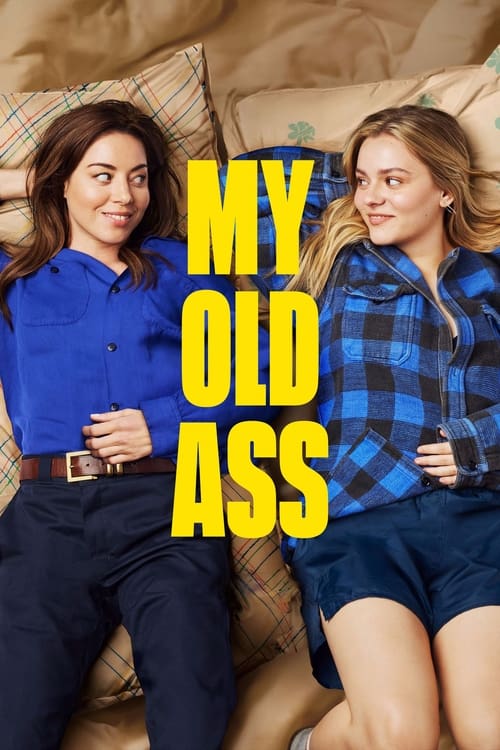
My Old Ass - Review
My Old Ass: A Time-Bending Coming-of-Age Tale - A Comprehensive Review
Imagine waking up on your 18th birthday, ready to seize the summer, only to be confronted by… yourself. Not a ghostly apparition, not a glimpse in a mirror, but a fully realized, slightly jaded, and undeniably older version of you, dispensing unsolicited life advice. This is the premise of "My Old Ass," a 2024 film that blends the familiar tropes of the coming-of-age story with a whimsical, time-bending twist, all fueled by a potent dose of psychedelic mushrooms. Does it succeed in navigating this delicate balance? Let's delve in.
Plot: A Psychedelic Summer of Self-Discovery
The film centers around Elliott, played with youthful exuberance by Maisie Stella (known for her role in “Nashville”), a free-spirited teenager on the cusp of adulthood. She's spending the summer at her family's lake house in Michigan, a place steeped in tradition and brimming with the promise of new experiences. On her 18th birthday, fueled by the adventurous spirit of youth (and, admittedly, some hallucinogenic mushrooms), Elliott encounters her 39-year-old self, played by Aubrey Plaza. This older Elliott is a stark contrast to her younger counterpart – world-weary, cynical, and burdened by regrets.
The plot hinges on the interactions between the two Elliotts. Older Elliott, possessing the wisdom (and scars) of two decades of life, attempts to steer younger Elliott away from what she perceives as impending mistakes. These warnings range from romantic entanglements that will inevitably lead to heartbreak to career choices that will stifle her creativity. Initially, younger Elliott is resistant, dismissing her older self as a buzzkill. However, as the summer progresses, and as Older Elliott's predictions begin to materialize, younger Elliott is forced to confront the potential consequences of her actions and re-evaluate her life choices.
The narrative unfolds with a deliberate pace, allowing for ample character development and exploration of the film's central themes. While the psychedelic element provides a unique framing device, the core of the story remains grounded in the universal anxieties and aspirations of adolescence. The screenplay, penned by writer-director Megan Park (known for her directorial debut "The Fallout"), cleverly balances the comedic elements of the time-bending premise with the more serious undertones of self-discovery and regret. The film avoids becoming overly preachy or didactic, allowing the characters to learn and grow organically through their interactions.
Characters: Contrasting Selves, Shared Humanity
The strength of "My Old Ass" lies in its compelling characters, particularly the two versions of Elliott. Maisie Stella delivers a nuanced performance as the younger Elliott, capturing her youthful idealism, her vulnerability, and her burgeoning sense of self. She convincingly portrays the character's initial naiveté and her gradual awakening to the complexities of life. Stella avoids the trap of portraying Elliott as simply a carefree teenager, imbuing her with a depth and authenticity that makes her relatable and sympathetic.
Aubrey Plaza, in a role that seems tailor-made for her sardonic wit and deadpan delivery, shines as the older Elliott. Plaza expertly embodies the character's cynicism and weariness, hinting at a life filled with disappointments and missed opportunities. However, beneath the surface of her jaded exterior lies a deep-seated desire to protect her younger self from the pain she has endured. Plaza's performance is both hilarious and heartbreaking, showcasing her range as an actress. The chemistry between Stella and Plaza is palpable, creating a dynamic and believable relationship between the two versions of the same person. Their interactions are often filled with humor and tension, as they grapple with their differing perspectives and ultimately learn from each other.
The supporting characters, while not as central to the narrative, are equally well-developed and contribute to the film's overall authenticity. Elliott's parents, played by Pamela Adlon and Fred Armisen, provide a relatable portrayal of a loving but imperfect family. Their struggles with their own past mistakes and their hopes for their daughter's future add depth and complexity to the story. The romantic interest, Chance Perdomo as Chad, offers a compelling counterpoint to Elliott's impulsive nature, providing her with a sense of stability and grounding. However, the film subtly explores the potential pitfalls of settling down too early, leaving the audience to question whether Chad is truly the right choice for Elliott.
Direction and Cinematography: A Dreamy Aesthetic
Megan Park's direction is confident and assured, demonstrating a clear understanding of the film's themes and tone. She skillfully guides the actors, eliciting authentic and nuanced performances. Park's use of visual metaphors and symbolism enhances the storytelling, adding layers of meaning to the narrative. The film's pacing is deliberate, allowing for moments of quiet reflection and emotional resonance. While the psychedelic sequences are visually arresting, they are never gratuitous, serving instead to underscore the characters' internal struggles and transformations.
The cinematography, helmed by [Insert Cinematographer's Name, if available, otherwise use "an unnamed cinematographer"], is visually stunning, capturing the beauty of the Michigan lake house and its surrounding landscape. The film's color palette is warm and inviting, creating a sense of nostalgia and summer romance. The use of natural light enhances the film's authenticity, giving it a grounded and relatable feel. The camera work is fluid and dynamic, capturing the energy and vibrancy of Elliott's youth while also conveying the weight and weariness of her older self. The dreamlike quality of the psychedelic sequences is achieved through the use of creative camera angles, slow-motion effects, and vibrant color filters, creating a visually captivating experience.
Themes and Messages: Regret, Choice, and Self-Acceptance
"My Old Ass" explores a number of profound themes, including regret, choice, and self-acceptance. The film examines the ways in which our past choices can shape our present and future, and the importance of learning from our mistakes. Older Elliott's attempts to prevent her younger self from making the same errors serve as a cautionary tale about the dangers of living with regret. However, the film also suggests that mistakes are an inevitable part of life, and that they can often lead to valuable lessons and personal growth.
The film also delves into the complexities of choice, highlighting the importance of making decisions that are authentic to oneself, rather than succumbing to societal pressures or the expectations of others. Elliott's struggle to define her own path and resist the influence of her older self underscores the importance of self-discovery and personal agency. The film ultimately advocates for embracing one's individuality and pursuing one's dreams, even if it means deviating from the conventional path.
Perhaps the most important theme of "My Old Ass" is self-acceptance. Both Elliotts must learn to accept themselves, flaws and all, in order to move forward and live fulfilling lives. Younger Elliott must learn to embrace her imperfections and forgive herself for her mistakes, while older Elliott must learn to let go of her regrets and find peace with the choices she has made. The film suggests that true happiness comes from accepting oneself unconditionally and embracing the journey of life, with all its ups and downs.
Comparisons: Echoes of the Past, a Unique Voice
While "My Old Ass" shares some similarities with other coming-of-age films, such as "Lady Bird" and "Booksmart," its time-bending premise and psychedelic elements set it apart. The film also draws inspiration from classic time-travel narratives, such as "Back to the Future" and "13 Going on 30," but it subverts the genre conventions by focusing on the internal struggles of its protagonist rather than on the external consequences of time travel.
Megan Park's direction in "My Old Ass" showcases a similar sensitivity and emotional intelligence that she displayed in "The Fallout." Both films explore the complexities of adolescence and the challenges of navigating trauma and personal growth. However, "My Old Ass" is lighter in tone and more optimistic in its outlook, offering a more hopeful message about the possibility of self-discovery and redemption.
Aubrey Plaza's performance in "My Old Ass" can be compared to her previous roles in films such as "Ingrid Goes West" and "Black Bear," where she portrays complex and often morally ambiguous characters. However, in "My Old Ass," Plaza brings a new level of vulnerability and emotional depth to her performance, showcasing a more nuanced and sympathetic side of her acting abilities. Maisie Stella's performance, while relatively new to the scene, displays similar characteristics to Hailee Steinfeld in "The Edge of Seventeen," capturing the awkwardness and vulnerability of teenage years.
Positive Aspects: A Compelling and Thought-Provoking Film
"My Old Ass" is a compelling and thought-provoking film that offers a fresh perspective on the coming-of-age genre. The film's unique premise, strong performances, and insightful exploration of its themes make it a worthwhile viewing experience. Megan Park's direction is confident and assured, and the film's cinematography is visually stunning. The screenplay is well-written and cleverly balances humor and drama. The film's message of self-acceptance and the importance of embracing one's individuality is both timely and resonant.
The chemistry between Maisie Stella and Aubrey Plaza is a highlight of the film, creating a believable and engaging relationship between the two versions of Elliott. Plaza's performance is particularly noteworthy, showcasing her range as an actress and her ability to portray complex and nuanced characters. The supporting cast also delivers strong performances, adding depth and authenticity to the story.
Constructive Criticism: Minor Flaws, Overall Success
While "My Old Ass" is a generally well-executed film, it is not without its flaws. The pacing can be somewhat uneven at times, with certain scenes feeling rushed while others drag on unnecessarily. The psychedelic sequences, while visually arresting, may not appeal to all viewers. Some may find the film's premise to be too far-fetched or contrived. The ending, while satisfying, could have been more impactful and emotionally resonant.
Additionally, the film could have benefited from a more in-depth exploration of the supporting characters. While Elliott's parents and romantic interest are well-developed, they are not given as much screen time as the two versions of Elliott. Exploring their perspectives and motivations in more detail could have added further depth and complexity to the story.
However, these minor flaws do not detract significantly from the overall quality of the film. "My Old Ass" is a well-crafted and thought-provoking film that is sure to resonate with audiences of all ages.
Conclusion and Rating
"My Old Ass" is a delightful and insightful film that successfully blends the familiar tropes of the coming-of-age story with a unique time-bending premise. The film's strong performances, compelling characters, and thought-provoking themes make it a worthwhile viewing experience. While the film is not without its flaws, its overall strengths outweigh its weaknesses.
Overall Rating: 8.5/10