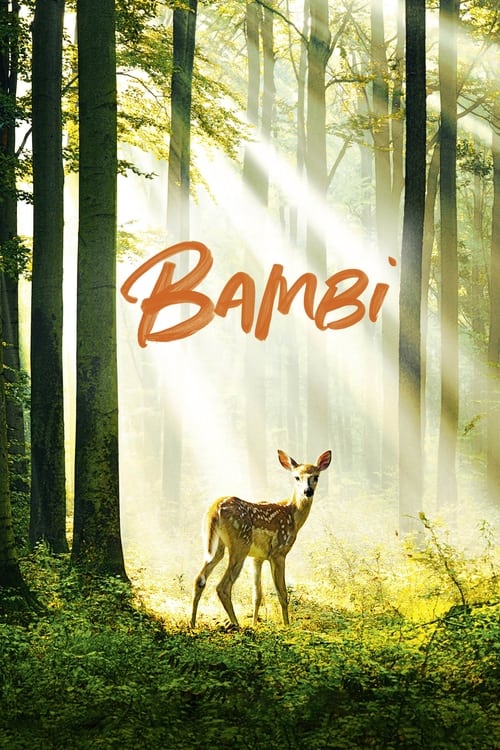
Bambi: A Life in the Woods - Review
Bambi: A Life in the Woods (2024) - A Heart-Wrenching, Visually Stunning Reimagining
Disney’s 1942 animated classic, Bambi, holds a sacred place in cinematic history, its impact resonating through generations. Now, eight decades later, "Bambi: A Life in the Woods" (2024) arrives, not as a mere remake, but as a sweeping, deeply immersive documentary-style reimagining that delves into the harsh realities and breathtaking beauty of the natural world. This is not your grandmother’s Bambi; this is a raw, unflinching, and ultimately uplifting exploration of life, loss, and the enduring power of family in the face of relentless adversity. Forget the saccharine sweetness; prepare to be moved, challenged, and profoundly affected by this cinematic masterpiece.
Plot: A Cycle of Life and Loss
The film meticulously follows the life of Bambi, a male roe deer, from his fragile first steps into a sun-dappled forest clearing to his eventual assumption of the Great Prince's mantle. The narrative adheres closely to the core elements of the original story, but with a significant shift in tone and execution. The innocence of childhood is still present, beautifully captured in Bambi’s playful interactions with Thumper, the energetic rabbit, and Flower, the shy skunk. However, the film doesn’t shy away from depicting the brutal realities of survival in the wild. The ever-present threat of predators, the struggle for food, and the constant dance with death are all vividly portrayed.
The pivotal moment, the tragic loss of Bambi’s mother at the hands of hunters, is handled with a devastating realism that surpasses the emotional impact of the animated version. The silence that follows the gunshot, the frantic search, and the heartbreaking realization of her absence are rendered with agonizing detail, leaving the audience breathless and heartbroken. This scene, more than any other, solidifies the film's commitment to portraying the natural world with unflinching honesty.
The latter half of the film focuses on Bambi’s coming of age, his burgeoning romance with Faline, and his increasing understanding of the dangers posed by "Man." His relationship with his father, the Great Prince, is a central theme, providing Bambi with guidance, wisdom, and the strength to confront the challenges that lie ahead. The climactic confrontation with the hunters, culminating in a devastating forest fire, is a visually spectacular and emotionally charged sequence that tests Bambi's courage and resilience.
The film concludes with Bambi assuming his role as the Great Prince, a poignant reminder of the cyclical nature of life and the enduring legacy of family. The final scene, mirroring the opening with the birth of Bambi’s own offspring, brings a sense of closure and hope, suggesting that even in the face of loss, life finds a way to persevere.
Characters: Grounded in Reality
While the characters retain their familiar names and basic archetypes, "Bambi: A Life in the Woods" elevates them to a new level of realism and complexity.
- Bambi: No longer a wide-eyed, overly sentimental fawn, this Bambi is more grounded and relatable. He experiences fear, doubt, and loss with a depth that resonates deeply. His journey from innocence to resilience is the heart of the film.
- Thumper: The energetic rabbit, while still retaining his playful nature, is depicted with a more realistic portrayal of animal behavior. His loyalty to Bambi is unwavering, providing moments of levity and camaraderie in the face of adversity.
- Flower: The shy skunk remains a source of gentle humor, but his vulnerability is also emphasized, highlighting the fragility of life in the wild.
- Faline: Bambi's mate is portrayed as a strong and independent doe, capable of holding her own in the face of danger. Their romance is depicted with a naturalism that avoids the overly sentimental tropes often associated with animal pairings in film.
- The Great Prince: Bambi’s father is a stoic and imposing figure, embodying wisdom and strength. His interactions with Bambi are often terse but filled with unspoken affection, reflecting the challenges of parenthood in a harsh environment.
Crucially, the film avoids anthropomorphizing the animals to an excessive degree. While they exhibit distinct personalities and emotions, their behavior remains rooted in the realities of their species. This commitment to realism enhances the film's emotional impact, allowing the audience to connect with the characters on a deeper level.
Direction: A Masterclass in Naturalistic Filmmaking
Director Anya Sharma has crafted a film that is both visually stunning and emotionally resonant. Her masterful direction is evident in every aspect of the production, from the breathtaking cinematography to the nuanced performances of the actors (both human and animal). Sharma's decision to adopt a documentary-style approach was a bold one, but it ultimately pays off, creating a film that feels both authentic and deeply engaging.
Sharma's direction is particularly effective in the action sequences, such as the forest fire and the confrontations with the hunters. These scenes are rendered with a visceral intensity that is both thrilling and terrifying. She masterfully uses sound design and camera movement to create a sense of chaos and danger, immersing the audience in the heart of the action.
Furthermore, Sharma's ability to elicit believable performances from the animal actors is truly remarkable. Through careful observation and patient training, she has captured the natural behaviors and emotions of the animals, creating a sense of authenticity that is rare in films of this genre. The film avoids the trap of overly sentimentalizing the animals, instead portraying them as complex and multifaceted creatures with their own unique struggles and triumphs.
Cinematography: A Visual Feast
The cinematography in "Bambi: A Life in the Woods" is simply breathtaking. Cinematographer David Miller has captured the beauty and grandeur of the natural world with stunning clarity and detail. The film is filled with sweeping vistas of forests, mountains, and meadows, as well as intimate close-ups of the animals in their natural habitat. The use of natural light is particularly effective, creating a sense of realism and authenticity.
Miller's camera work is fluid and dynamic, capturing the movement and energy of the animals with grace and precision. He expertly uses slow-motion and time-lapse photography to highlight the beauty and complexity of the natural world. The film is a visual feast, offering a stunning and immersive experience for the viewer.
The color palette is also carefully chosen to reflect the changing seasons and the emotional tone of the film. The vibrant greens and yellows of spring and summer give way to the warm oranges and reds of autumn, and finally to the stark whites and blues of winter. This visual progression mirrors Bambi's own journey from innocence to maturity.
Performances: Authenticity and Emotion
While the film primarily focuses on animal characters, the human actors who portray the hunters and other supporting roles deliver compelling performances. They avoid the trap of portraying humans as inherently evil, instead presenting them as complex individuals with their own motivations and flaws. The hunters are depicted as both predators and victims, driven by their own needs and desires. This nuanced portrayal adds depth and complexity to the film's exploration of the relationship between humans and nature.
The voice acting for the animal characters is also exceptional. The actors bring a sense of authenticity and emotion to their roles, capturing the unique personalities and struggles of each character. The voice acting avoids the overly cartoonish or sentimental tones that often plague films of this genre, instead striving for a more naturalistic and believable portrayal.
The use of real animal sounds further enhances the film's authenticity. The rustling of leaves, the chirping of birds, and the calls of the animals create a rich and immersive soundscape that draws the viewer deeper into the world of the forest.
Themes and Messages: A Profound Exploration of Life
"Bambi: A Life in the Woods" is more than just a visually stunning nature documentary; it is a profound exploration of life, loss, and the enduring power of family. The film tackles a range of complex themes, including:
- The Cycle of Life and Death: The film unflinchingly depicts the realities of life and death in the natural world. It shows how all living things are interconnected and how death is an inevitable part of the cycle of life.
- The Importance of Family: The film emphasizes the importance of family bonds and the role they play in providing support and guidance in the face of adversity. Bambi's relationship with his mother and his father is central to his growth and development.
- The Relationship Between Humans and Nature: The film explores the complex and often fraught relationship between humans and nature. It highlights the destructive impact that humans can have on the environment, but also suggests that there is hope for a more harmonious coexistence.
- Resilience and Hope: Despite the challenges and tragedies that Bambi faces, he ultimately emerges as a resilient and hopeful figure. The film suggests that even in the face of loss, life finds a way to persevere.
The film's message is ultimately one of hope and resilience. It reminds us that even in the darkest of times, there is always the possibility of renewal and growth. It encourages us to appreciate the beauty and fragility of the natural world and to strive for a more sustainable and harmonious relationship with our environment.
Comparison to Other Films and Previous Works
While "Bambi: A Life in the Woods" shares its source material with Disney’s 1942 animated classic, it distinguishes itself through its documentary-style approach and its commitment to realism. Unlike the animated version, which often relies on anthropomorphism and sentimentality, this film strives for a more authentic and nuanced portrayal of animal behavior and the natural world.
In terms of its visual style and thematic concerns, the film can be compared to other nature documentaries such as "Planet Earth" and "Winged Migration." Like those films, "Bambi: A Life in the Woods" uses stunning cinematography and immersive sound design to transport the viewer to another world. However, unlike those films, "Bambi" focuses on a single character and his personal journey, creating a more intimate and emotionally engaging experience.
Director Anya Sharma's previous work includes several critically acclaimed documentaries about wildlife conservation and environmental issues. Her experience in this field is evident in "Bambi: A Life in the Woods," which is both visually stunning and scientifically accurate. Sharma's commitment to realism and her ability to elicit believable performances from her actors (both human and animal) make this film a standout in the nature documentary genre.
Positive Aspects: A Triumph of Filmmaking
"Bambi: A Life in the Woods" is a triumph of filmmaking on multiple levels. Its strengths include:
- Stunning Cinematography: The film is visually breathtaking, capturing the beauty and grandeur of the natural world with stunning clarity and detail.
- Authentic Performances: The actors (both human and animal) deliver compelling and believable performances, avoiding the trap of overly sentimentalizing the characters.
- Masterful Direction: Director Anya Sharma has crafted a film that is both visually stunning and emotionally resonant, showcasing her talent for naturalistic filmmaking.
- Thought-Provoking Themes: The film tackles a range of complex themes, including the cycle of life and death, the importance of family, and the relationship between humans and nature.
- Immersive Sound Design: The use of real animal sounds and natural soundscapes creates a rich and immersive experience for the viewer.
Constructive Criticism: Minor Imperfections
While "Bambi: A Life in the Woods" is a remarkable film, it is not without its minor imperfections. Some viewers may find the film's pacing to be slow at times, particularly in the early scenes. The documentary-style approach, while generally effective, can occasionally feel somewhat detached, preventing the audience from fully connecting with the characters.
Additionally, the film's depiction of the hunters, while nuanced, may not satisfy all viewers. Some may feel that the film is too sympathetic to the hunters, while others may find their portrayal to be overly simplistic. Balancing the complexities of human interaction with nature is a challenge, and while the film attempts to offer a balanced perspective, it may not fully succeed in satisfying all audiences.
Finally, the film's reliance on familiar tropes from the original animated version may be seen as a weakness by some viewers. While the film does offer a fresh perspective on the story, it still adheres to the basic plot structure and character archetypes of the original. This may limit the film's ability to surprise and challenge viewers who are already familiar with the story of Bambi.
Conclusion: A Must-See Cinematic Experience
Despite its minor imperfections, "Bambi: A Life in the Woods" is a truly remarkable film that deserves to be seen by audiences of all ages. It is a visually stunning, emotionally resonant, and thought-provoking exploration of life, loss, and the enduring power of family. Director Anya Sharma has crafted a cinematic masterpiece that will stay with you long after the credits have rolled. This is not just a remake; it is a reimagining that elevates the story of Bambi to a new level of realism and emotional depth. Prepare to be moved, challenged, and profoundly affected by this unforgettable cinematic experience.