Skin. Like. Sun. - Review
Skin. Like. Sun. - A Deep Dive into Intimacy
In a world saturated with cinematic bombast and frenetic editing, Skin. Like. Sun. (2009) dares to slow down, to breathe, to truly see. This isn't your typical romance or erotic film; it's an exercise in observation, a masterclass in capturing the delicate dance of intimacy between two young lovers. Prepare to be challenged, to be patient, and perhaps, to be profoundly moved.
Plot and Structure: The Art of Real-Time
The plot, in its purest form, is almost nonexistent. Wim and Floor, a real-life couple, spend an afternoon together in a dilapidated, sun-drenched house in Belgium. That's it. There are no grand narratives, no external conflicts, no dramatic twists. The entire film unfolds in what feels like close to real-time, a bold decision that demands a radical shift in viewer expectation. We witness the unhurried unfolding of their connection: the hesitant touches, the stolen glances, the quiet conversations, the eventual culmination in physical intimacy.
This lack of traditional plot is precisely the point. Director Peter Gielen isn't interested in telling a story about love; he's interested in showing us love in its rawest, most unadulterated form. The structure is deliberate, almost meditative. Each scene lingers, allowing us to soak in the atmosphere, to observe the nuances of their interaction, to become voyeurs in their private world. This unconventional approach may frustrate viewers accustomed to rapid pacing, but for those willing to surrender to the film's rhythm, it offers a uniquely immersive experience.
Characters: Authenticity at its Core
Wim and Floor aren't characters in the traditional sense; they are themselves. This is a crucial distinction. There's no acting, no pretense, no carefully constructed backstories. We are simply observing two young people who are genuinely in love. Their authenticity is what makes the film so compelling. We see their vulnerability, their awkwardness, their tenderness. We witness the genuine connection between them, a connection that transcends the superficiality of many on-screen romances.
The film relies heavily on their natural chemistry. There are moments of playful banter, of shared smiles, of comfortable silences. These small, seemingly insignificant moments build a portrait of a relationship that feels remarkably real. The absence of dialogue is also significant. Much of their communication is nonverbal – a gentle touch, a knowing look, a shared laugh. This emphasis on nonverbal cues highlights the power of intimacy and the unspoken language of love.
Direction and Cinematography: Painting with Light and Shadow
Peter Gielen's direction is masterful in its restraint. He avoids any unnecessary flourishes, allowing the natural beauty of the setting and the authenticity of the couple to shine through. The film is a testament to the power of simplicity. Gielen trusts his subjects and his audience, allowing the story to unfold organically.
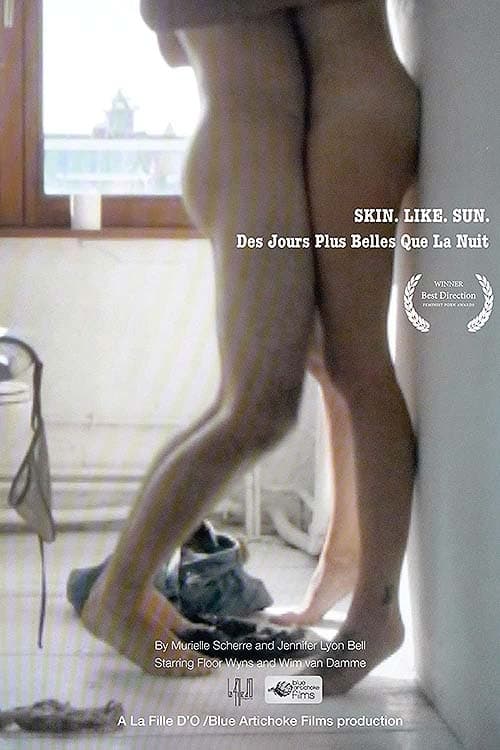
The cinematography is equally crucial to the film's success. The sun-drenched rooms of the dilapidated house become a character in themselves, casting long shadows and creating a sense of intimacy and isolation. The use of natural light is particularly effective, highlighting the textures of the skin and the subtle expressions on Wim and Floor's faces. The camera lingers on details: the way the sunlight catches in Floor's hair, the curve of Wim's back, the gentle caress of their hands. These details, carefully observed and beautifully captured, elevate the film beyond mere voyeurism.
The framing is often tight, focusing on the couple's faces and bodies, further emphasizing the intimacy and vulnerability of their connection. There are few wide shots, and the camera rarely moves, creating a sense of stillness and contemplation. This deliberate choice reinforces the film's slow pace and encourages the viewer to focus on the present moment.
Performances: The Absence of Acting is the Performance
As mentioned earlier, Wim and Floor aren't actors. Their "performances" are simply them being themselves. This is both the film's greatest strength and its potential weakness. Some viewers may find their lack of traditional acting skills to be distracting, while others will find it to be incredibly refreshing and authentic. The beauty of their performances lies in their naturalness. They are not trying to portray a romantic ideal; they are simply being themselves, flaws and all.
Their vulnerability is palpable. We see their shyness, their insecurities, their moments of hesitation. This rawness is what makes their connection so believable and so moving. They are not afraid to be themselves in front of the camera, and this honesty is what ultimately makes the film so powerful.
Themes and Messages: Intimacy, Vulnerability, and the Beauty of the Mundane
Skin. Like. Sun. explores several important themes, most notably intimacy, vulnerability, and the beauty of the mundane. The film challenges our conventional notions of romance and sexuality, suggesting that true intimacy is not about grand gestures or dramatic declarations of love, but rather about the small, everyday moments of connection.
The film also highlights the importance of vulnerability in relationships. Wim and Floor are not afraid to show their true selves to each other, flaws and all. This openness allows them to connect on a deeper level and to experience a level of intimacy that is rarely seen on screen. The film suggests that vulnerability is not a weakness, but rather a strength, and that it is essential for building strong and lasting relationships.
Finally, Skin. Like. Sun. celebrates the beauty of the mundane. The film is not about extraordinary events or dramatic conflicts; it is about the simple act of two people spending time together. It reminds us that beauty can be found in the everyday, in the small moments of connection that often go unnoticed. By slowing down and paying attention to these moments, we can appreciate the richness and complexity of human experience.
Comparison to Other Films: A Unique Place in Cinema
Skin. Like. Sun. occupies a unique space in cinema. It's difficult to compare it directly to other films, as its unconventional approach sets it apart from most mainstream romances and erotic dramas. However, there are some films that share certain thematic or stylistic similarities.
In terms of its focus on intimacy and vulnerability, the film could be compared to Richard Linklater's "Before" trilogy ("Before Sunrise," "Before Sunset," "Before Midnight"). Like Skin. Like. Sun., these films explore the complexities of human relationships through naturalistic dialogue and intimate character studies. However, the "Before" films are more dialogue-driven and focus on the evolution of a relationship over time, while Skin. Like. Sun. is more concerned with capturing a single moment in time.
In terms of its slow pace and emphasis on visual detail, the film could be compared to the works of directors like Andrei Tarkovsky or Béla Tarr. These directors are known for their long takes, minimalist narratives, and poetic imagery. However, Skin. Like. Sun. is less overtly philosophical than Tarkovsky's films and less bleak than Tarr's films. It occupies a more intimate and personal space.
Ultimately, Skin. Like. Sun. stands alone as a unique and challenging work of art. It is a film that demands patience and attention, but it rewards those who are willing to surrender to its rhythm with a profound and moving experience.
Positive Aspects and Constructive Criticism
Positive Aspects:
- Authenticity: The film's greatest strength is its unwavering commitment to authenticity. Wim and Floor's naturalness and vulnerability make their connection incredibly believable and moving.
- Cinematography: The film's cinematography is stunning, capturing the beauty of the setting and the intimacy of the moment with remarkable skill.
- Direction: Peter Gielen's direction is masterful in its restraint, allowing the story to unfold organically and trusting the audience to connect with the characters.
- Thematic Depth: The film explores important themes of intimacy, vulnerability, and the beauty of the mundane in a thoughtful and nuanced way.
- Uniqueness: The film's unconventional approach sets it apart from most mainstream romances and erotic dramas, offering a truly unique cinematic experience.
Constructive Criticism:
- Pacing: The film's slow pace may not appeal to all viewers. Some may find it to be tedious or boring.
- Lack of Traditional Plot: The absence of a traditional plot may frustrate viewers who are accustomed to more narrative-driven films.
- Non-Actors: The fact that Wim and Floor are not actors may be distracting for some viewers. Their lack of traditional acting skills may make it difficult for some to connect with them.
- Repetitive Nature: The near real-time presentation can, at times, feel repetitive, especially for viewers who struggle to connect with the subtle nuances of the relationship.
Conclusion and Rating
Skin. Like. Sun. is not a film for everyone. It demands patience, attention, and a willingness to surrender to its unconventional rhythm. However, for those who are willing to embrace its unique approach, it offers a profound and moving experience. It's a film that lingers in the mind long after the credits roll, prompting us to reflect on the nature of intimacy, vulnerability, and the beauty of the mundane.
While its slow pace and lack of traditional plot may be off-putting to some, its authenticity, cinematography, and thematic depth are undeniable. It's a film that challenges our expectations and reminds us that true beauty can be found in the simplest of moments. For its daring originality and its profound exploration of human connection, I give Skin. Like. Sun. a rating of 8.5/10.