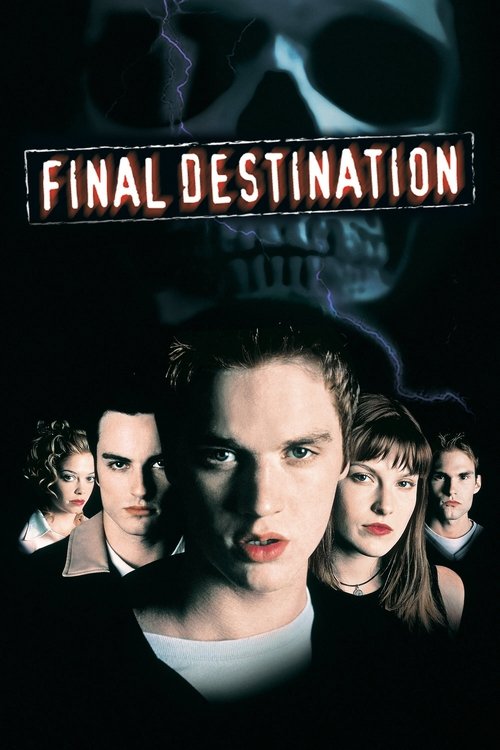
Final Destination - Review
Final Destination: A Rollercoaster Ride with Death Itself
Released in 2000, Final Destination wasn't just another slasher flick. It was a chillingly clever concept executed with a blend of suspense, gore, and dark humor that resonated with audiences and spawned a successful franchise. Forget masked killers and supernatural monsters; Final Destination introduced a far more terrifying antagonist: Death itself, a meticulous and unforgiving force determined to reclaim those who cheated their fate. But does this early 2000s horror classic still hold up, or has the Grim Reaper's game become a bit stale? Let's delve into the intricate web of fate and misfortune that makes up Final Destination.
Plot: Cheating Death, a Deadly Game
The film's premise is simple yet ingenious. Alex Browning (Devon Sawa), a high school student heading to Paris on a senior class trip, experiences a vivid and horrifying premonition of the plane crashing, killing everyone on board. Panicked, he manages to convince a handful of his classmates and a teacher, Ms. Lewton (Kristen Cloke), to disembark before the flight takes off. Moments later, Alex's vision becomes a terrifying reality as the plane explodes, killing all those who remained. Initially hailed as heroes, the survivors soon discover that Death isn't so easily cheated. It has a plan, a meticulous order for how they were supposed to die, and it's determined to carry it out.
The plot unfolds as a series of increasingly elaborate and gruesome accidents. The survivors, initially skeptical, are forced to confront the reality that they are being systematically targeted. They scramble to understand Death's rules, attempting to predict and prevent their impending demise. This frantic race against time creates a constant sense of tension and dread, as viewers are kept on edge, anticipating the next ingenious and horrifying death sequence.
However, the plot isn't without its flaws. The initial setup is strong, but the repetitive nature of the "vision-near death-death" cycle can become somewhat predictable. While the death sequences are creative and shocking, the characters' attempts to outsmart Death sometimes feel contrived, requiring them to make illogical decisions to further the plot. The pacing, while generally good, occasionally falters, with moments of exposition slowing down the momentum.
Characters: More Than Just Cannon Fodder?
While Final Destination is primarily focused on its inventive death sequences, the characters, though somewhat archetypal, are more developed than in many slasher films. Alex Browning, the reluctant hero, is portrayed as an intelligent and resourceful young man burdened by his newfound ability to foresee death. Devon Sawa delivers a convincing performance, capturing Alex's fear, desperation, and determination to protect his friends.
Clear Rivers (Ali Larter), initially skeptical, becomes Alex's ally and romantic interest. She's portrayed as a strong and independent woman who gradually accepts the terrifying reality of their situation. Larter's performance provides a grounding presence, balancing Alex's more frantic energy.
Ms. Lewton, the teacher who initially supports Alex, undergoes a significant character arc. Haunted by the plane crash and increasingly paranoid, she descends into alcoholism and isolation. Kristen Cloke delivers a nuanced performance, portraying Ms. Lewton's vulnerability and desperation with authenticity.
The supporting characters, while not as deeply developed, serve their purpose. Carter Horton (Kerr Smith), the jock with a grudge against Alex, provides initial conflict and embodies the skepticism that many viewers likely share. Billy Hitchcock (Seann William Scott), the comedic relief character, offers moments of levity amidst the grim proceedings. Tod Waggner (Chad Donella), the first victim, sets the stage for the escalating horror that follows.
One of the criticisms leveled against the characters is their sometimes questionable decision-making. Characters often act in ways that seem designed to put them in harm's way, which can strain credulity. However, this can also be interpreted as a reflection of the characters' desperation and the overwhelming pressure they face, leading them to make irrational choices.
Direction: Crafting Suspense and Gore
James Wong's direction is a key element in Final Destination's success. He masterfully builds suspense, utilizing subtle visual cues and foreshadowing to create a sense of impending doom. The camera often lingers on seemingly innocuous objects, hinting at their potential to become instruments of death. This technique keeps the audience constantly on edge, anticipating the next deadly event.
Wong doesn't shy away from the gore, but he doesn't rely on it gratuitously. The death sequences are often shocking and visceral, but they are also carefully constructed and visually inventive. He uses practical effects and CGI to create realistic and impactful moments of horror. The film's R-rating is well-earned, but the gore serves a purpose in highlighting the brutal and unforgiving nature of Death's plan.
The film's pacing is generally well-managed, with a good balance between suspenseful build-up and shocking payoff. However, as mentioned earlier, there are moments where the pacing falters, particularly during exposition-heavy scenes. Wong's direction is also effective in creating a sense of claustrophobia and paranoia, as the characters feel increasingly trapped by Death's relentless pursuit.
Cinematography: Visual Foreshadowing and Atmosphere
The cinematography, by Robert McLachlan, plays a crucial role in establishing the film's tone and atmosphere. McLachlan utilizes a variety of techniques to create a sense of unease and foreshadowing. The camera angles are often unsettling, and the lighting is used to create shadows and highlight potential dangers.
One of the most effective visual techniques is the use of foreshadowing. Seemingly insignificant objects or events are presented in a way that suggests their potential to become deadly. For example, a leaky faucet, a gust of wind, or a falling object are all subtly highlighted, creating a sense of anticipation and dread.
The color palette is also carefully chosen to enhance the film's atmosphere. The use of muted colors and shadows creates a sense of realism and despair. The contrast between light and dark is used to emphasize the danger lurking in the shadows. The overall effect is a visually striking and unsettling film that keeps the audience on edge.
Performances: Solid Ensemble Cast
The performances in Final Destination are generally strong, with the cast delivering convincing and engaging portrayals of their characters. Devon Sawa is particularly effective as Alex Browning, capturing his fear, desperation, and determination to protect his friends. Ali Larter provides a grounded and believable performance as Clear Rivers, serving as a strong and independent counterpoint to Alex's more frantic energy.
Kristen Cloke delivers a standout performance as Ms. Lewton, portraying her descent into paranoia and alcoholism with nuance and authenticity. Kerr Smith provides a solid performance as Carter Horton, embodying the skepticism and resentment that initially fuels his conflict with Alex. Seann William Scott offers moments of levity as Billy Hitchcock, providing comedic relief amidst the grim proceedings.
While the performances are generally strong, some of the supporting characters are less developed and their performances are consequently less memorable. However, the overall ensemble cast works well together, creating a believable and engaging group of characters that the audience can root for (or at least feel sorry for).
Themes and Messages: Fate, Free Will, and the Illusion of Control
Final Destination explores several profound themes, most notably the concepts of fate, free will, and the illusion of control. The film raises questions about whether our lives are predetermined or whether we have the power to change our destiny. The characters' attempts to cheat Death can be seen as a metaphor for the human desire to control our own lives and escape the inevitable.
The film also touches on the theme of survivor's guilt. The survivors of the plane crash are haunted by the knowledge that they escaped death while others perished. This guilt can lead to feelings of isolation, paranoia, and despair. Ms. Lewton's character arc is a particularly poignant exploration of this theme.
Ultimately, Final Destination suggests that Death is an inevitable force that cannot be outrun. While the characters may temporarily delay their demise, they cannot escape their fate. This message can be interpreted as a commentary on the limitations of human control and the acceptance of mortality. However, the film also suggests that even in the face of death, there is value in fighting for survival and cherishing the time we have. The characters' determination to protect each other, even in the face of overwhelming odds, highlights the importance of human connection and resilience.
Comparison to Other Films: A Unique Blend of Horror and Suspense
Final Destination stands out from many other horror films due to its unique premise and focus on elaborate death sequences. While it shares some similarities with slasher films, it lacks a traditional antagonist. Death itself is the villain, an impersonal and unstoppable force that cannot be reasoned with or defeated.
The film also draws inspiration from supernatural thrillers, such as The Omen, which explore themes of fate and predestination. However, Final Destination distinguishes itself through its emphasis on suspense and its inventive death sequences. The film's blend of horror and suspense is similar to that found in films like Seven and The Silence of the Lambs, which create a sense of dread and anticipation through careful pacing and visual storytelling.
Compared to later films in the Final Destination franchise, the original film is arguably the strongest. While the sequels continue to explore the same basic premise, they often rely more heavily on gore and less on suspense. The original film's characters are also more developed and relatable, making their fates more impactful. The franchise has influenced other horror films by popularizing the concept of elaborate and seemingly random death sequences. Films like It Follows, while different in tone and style, owe a debt to Final Destination in their exploration of an inescapable and relentless threat.
Positive Aspects: Suspense, Originality, and Memorable Deaths
Final Destination boasts several positive aspects that contribute to its enduring appeal. The film's suspenseful atmosphere is expertly crafted, keeping viewers on the edge of their seats from beginning to end. The use of foreshadowing and subtle visual cues creates a constant sense of unease, making even seemingly innocuous objects appear threatening.
The film's originality is another key strength. The concept of Death as a meticulous and unforgiving force is both terrifying and intriguing. The elaborate death sequences are inventive and memorable, showcasing a level of creativity that is rare in the horror genre.
The performances are generally strong, with Devon Sawa and Ali Larter delivering convincing and engaging portrayals of their characters. The film also explores thought-provoking themes about fate, free will, and the illusion of control. The pacing is generally well-managed, with a good balance between suspenseful build-up and shocking payoff. The cinematography is visually striking, enhancing the film's atmosphere and sense of dread.
Constructive Criticism: Predictability and Character Decisions
Despite its many strengths, Final Destination is not without its flaws. The repetitive nature of the "vision-near death-death" cycle can become somewhat predictable, particularly in the later half of the film. While the death sequences are creative and shocking, the characters' attempts to outsmart Death sometimes feel contrived, requiring them to make illogical decisions to further the plot.
Some of the supporting characters are less developed and their performances are consequently less memorable. The film's exploration of its themes, while thought-provoking, could have been more nuanced and complex. The pacing, while generally good, occasionally falters, with moments of exposition slowing down the momentum.
While the gore is effective in highlighting the brutal nature of Death's plan, some viewers may find it excessive or gratuitous. The film's reliance on jump scares, while effective in creating moments of shock, can sometimes feel manipulative. The ending, while providing a sense of closure, could have been more impactful and thought-provoking.
Conclusion: A Classic Horror Film That Still Resonates
Despite its flaws, Final Destination remains a classic horror film that continues to resonate with audiences. Its unique premise, suspenseful atmosphere, and inventive death sequences make it a memorable and enjoyable viewing experience. The film's exploration of themes about fate, free will, and the illusion of control adds depth and complexity to its narrative. While the repetitive nature of the plot and some questionable character decisions can detract from the overall experience, the film's strengths far outweigh its weaknesses. Final Destination is a must-see for fans of horror, suspense, and supernatural thrillers. It's a reminder that sometimes, the most terrifying monsters are the ones we can't see.