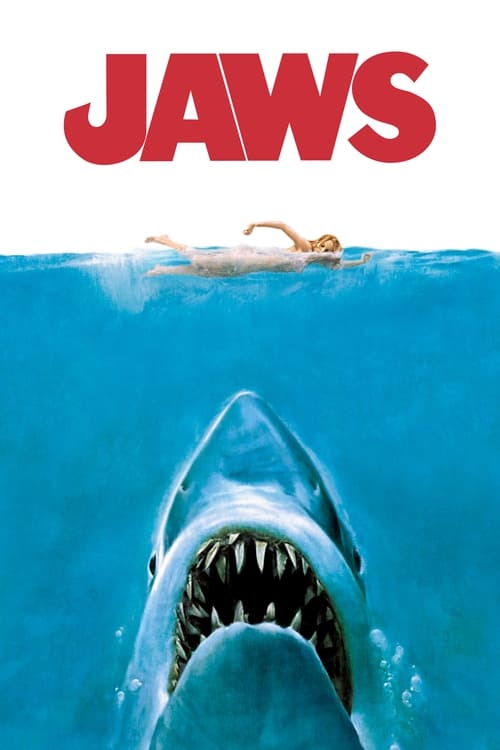
Jaws - Review
"Jaws": A Timeless Terror That Still Bites
Released in the summer of 1975, Steven Spielberg’s "Jaws" didn't just become a box office phenomenon; it redefined the summer blockbuster. More than four decades later, the film's impact reverberates through cinema, influencing countless thrillers and shaping our collective anxieties about the ocean's depths. But does "Jaws" hold up to the hype? Is it merely a product of its time, or is it a genuinely masterful piece of filmmaking? Let's dive in and explore the enduring legacy of this aquatic horror classic.
Plot: A Summer of Fear
The story of "Jaws" is deceptively simple: a great white shark terrorizes the small island community of Amity, Massachusetts. The film opens with the brutal attack on Chrissie Watkins, a young woman swimming alone at night. This shocking event sets in motion a chain of events that force Police Chief Martin Brody to confront not only the shark but also the town's mayor, Larry Vaughn, who prioritizes tourism dollars over public safety.
As more attacks occur, Brody enlists the help of Matt Hooper, a young marine biologist, and Quint, a grizzled shark hunter, to track down and kill the creature. The second half of the film shifts to a thrilling sea hunt, as the trio battle the shark aboard Quint's boat, the Orca. The plot cleverly balances suspenseful set pieces with character development, creating a compelling narrative that keeps viewers on the edge of their seats.
One of the most effective aspects of the plot is its slow build of tension. Spielberg masterfully uses suggestion and implication to create a sense of dread long before we see the shark in its full glory. The iconic John Williams score further amplifies the suspense, signaling the shark's presence with its ominous two-note motif. This delayed gratification makes the shark's eventual appearances all the more terrifying. The plot also benefits from its grounding in realism. While the shark is undoubtedly a formidable predator, the film also explores the human element of fear, greed, and responsibility, making the story relatable and engaging.
Characters: Flawed Heroes and Self-Serving Villains
The strength of "Jaws" lies not only in its thrilling plot but also in its well-developed characters. Each member of the central trio – Brody, Hooper, and Quint – is a distinct individual with their own motivations, flaws, and strengths.
Martin Brody (Roy Scheider)
Brody is the everyman protagonist, a New York City cop who moved to Amity seeking a quieter life. He's out of his element, afraid of the water, and constantly battling his own insecurities. His initial reluctance to believe the shark threat and his struggle to assert his authority against the mayor make him a relatable and sympathetic character. Scheider's performance is nuanced and believable, capturing Brody's vulnerability and his growing determination to protect his family and the town. Brody's fear of water, ironically, makes him the perfect protagonist in a shark movie. He embodies the audience's own anxieties, making his journey all the more compelling.
Matt Hooper (Richard Dreyfuss)
Hooper is the educated, scientific expert who provides a counterpoint to Quint's more visceral approach. He's intelligent, enthusiastic, and driven by a genuine desire to understand and protect marine life. Dreyfuss brings a youthful energy to the role, balancing Hooper's scientific knowledge with a sense of humor and a willingness to take risks. His rivalry with Quint adds another layer of complexity to the dynamic between the three men.
Quint (Robert Shaw)
Quint is the most complex and arguably the most memorable character in "Jaws." He's a grizzled, enigmatic shark hunter with a dark past. Shaw delivers a tour-de-force performance, portraying Quint as a man haunted by his experiences during World War II (specifically, the sinking of the USS Indianapolis). His gruff exterior hides a deep-seated trauma and a relentless obsession with hunting sharks. Quint's monologue about the Indianapolis is one of the film's most powerful and chilling moments, providing insight into his character's motivations and his fatalistic outlook on life. While Quint is undoubtedly a skilled hunter, his arrogance and recklessness ultimately contribute to his downfall.
Mayor Larry Vaughn (Murray Hamilton)
Vaughn serves as the film's primary antagonist, representing the dangers of greed and political expediency. He's more concerned with maintaining Amity's image as a safe tourist destination than with protecting its residents. Hamilton plays Vaughn with a smarmy charm that makes him both believable and infuriating. His insistence on keeping the beaches open despite the mounting evidence of a shark attack highlights the film's themes of corruption and the abuse of power. While not a "villain" in the traditional sense, Vaughn's short-sightedness and self-serving actions have deadly consequences.
Direction: Spielberg's Masterclass in Suspense
Steven Spielberg's direction of "Jaws" is nothing short of masterful. Faced with numerous challenges during production, including a malfunctioning mechanical shark and unpredictable weather conditions, Spielberg turned these limitations into strengths. By limiting the shark's screen time, he created a sense of mystery and dread that heightened the suspense.
Spielberg's use of camera angles, editing, and sound design is particularly effective. The "shark's-eye view" shots, often accompanied by Williams' ominous score, create a sense of impending doom. The film's pacing is expertly controlled, building tension gradually and releasing it in bursts of shocking violence. The chaotic energy of the shark attacks is juxtaposed with quieter, more character-driven moments, creating a dynamic and engaging viewing experience.
Spielberg's direction is also notable for its attention to detail. The film is filled with small, realistic touches that bring Amity to life, from the crowded beaches to the cluttered interiors of the characters' homes. This attention to detail adds to the film's sense of realism and makes the story all the more believable. Furthermore, Spielberg manages to extract exceptional performances from his cast, allowing them to fully inhabit their characters and bring nuance to their roles.
Cinematography: Capturing the Beauty and Terror of the Ocean
Bill Butler's cinematography in "Jaws" is crucial to the film's overall effectiveness. He expertly captures the beauty and terror of the ocean, creating a visual landscape that is both inviting and menacing. The film's opening shots, with their bright, sunny beaches and crystal-clear water, create a false sense of security that is quickly shattered by the shark's attacks.
Butler's use of underwater photography is particularly impressive, capturing the shark's movements with a sense of fluidity and grace. The film's lighting is also carefully controlled, creating a sense of unease and foreboding. The use of shadows and silhouettes adds to the mystery surrounding the shark, making it all the more terrifying. The contrast between the bright, sunny exteriors and the dark, claustrophobic interiors of the Orca further enhances the film's sense of tension.
The cinematography also plays a key role in establishing the film's sense of realism. Butler's use of natural light and his avoidance of overly stylized shots contribute to the film's documentary-like feel. This sense of realism makes the shark attacks all the more shocking and believable.
Performances: A Perfect Cast
The performances in "Jaws" are uniformly excellent. Roy Scheider, Richard Dreyfuss, and Robert Shaw create a believable and compelling dynamic as the unlikely trio who must work together to defeat the shark.
Scheider's performance as Brody is particularly noteworthy. He perfectly captures the character's vulnerability, his fear, and his growing determination to protect his community. Dreyfuss brings a youthful energy to the role of Hooper, balancing his scientific expertise with a sense of humor and a willingness to take risks. But it is Shaw who steals the show as Quint. His performance is both terrifying and tragic, capturing the character's gruff exterior and his deep-seated trauma.
Murray Hamilton is also excellent as Mayor Vaughn, portraying the character as a self-serving politician who is more concerned with his own image than with the safety of his constituents. The supporting cast is equally strong, adding depth and texture to the film's world.
Themes and Messages: Beyond the Thrills
"Jaws" is more than just a thrilling monster movie. It explores a number of important themes and messages, including:
* The dangers of greed and political corruption: Mayor Vaughn's decision to keep the beaches open despite the shark attacks highlights the dangers of prioritizing economic interests over public safety. * The importance of community: The film shows how a community can come together in the face of adversity, even when faced with seemingly insurmountable challenges. * Man vs. nature: The film explores the conflict between humanity and the natural world, highlighting the power and unpredictability of nature. * The psychological impact of trauma: Quint's monologue about the USS Indianapolis reveals the lasting effects of trauma and the ways in which it can shape a person's life. * Overcoming fear: Brody's journey is one of overcoming his own fears and insecurities to protect his community.These themes and messages give "Jaws" a depth and complexity that elevates it above other monster movies. The film is not just about a shark; it's about the human condition and the challenges we face in a world that is often dangerous and unpredictable.
Comparison to Other Films
"Jaws" has influenced countless films in the horror and thriller genres. Its success spawned a wave of "nature-run-amok" movies, including "Piranha," "Grizzly," and "Orca." However, few of these films have managed to capture the suspense and terror of "Jaws."
Spielberg's earlier work, such as "Duel" (1971), foreshadowed his ability to create suspense and tension. Like "Jaws," "Duel" features a relentless, unseen antagonist that terrorizes the protagonist. The success of "Jaws" allowed Spielberg to move on to even bigger and more ambitious projects, such as "Close Encounters of the Third Kind" and "Raiders of the Lost Ark."
In terms of shark movies, "The Shallows" (2016) is a more recent example that shares some similarities with "Jaws." Both films feature a lone protagonist battling a great white shark in a confined space. However, "The Shallows" relies more on visual effects and less on suspense, making it a less effective film overall.
Positive Aspects
* Masterful direction by Steven Spielberg: Spielberg's ability to create suspense and tension is unparalleled. * Excellent performances from the cast: Scheider, Dreyfuss, and Shaw deliver memorable performances. * Iconic score by John Williams: The score is instantly recognizable and adds to the film's sense of dread. * Effective use of practical effects: The shark, despite its limitations, is still a terrifying presence. * Compelling story and well-developed characters: The film is more than just a monster movie; it explores important themes and messages.Constructive Criticism
* The mechanical shark is sometimes unconvincing: While Spielberg made the most of the shark's limitations, there are moments when it looks obviously fake. * The pacing can be slow at times: The first half of the film is deliberately slow-paced, which may not appeal to all viewers. * Some of the dialogue is a bit clunky: While the performances are excellent, some of the dialogue feels a bit forced.Conclusion
"Jaws" remains a cinematic masterpiece, a thrilling and suspenseful film that continues to captivate audiences decades after its release. Spielberg's masterful direction, the excellent performances, and the iconic score combine to create a truly unforgettable experience. While the mechanical shark may show its age at times, the film's overall impact is undeniable. "Jaws" is a must-see for any film enthusiast and a testament to the power of storytelling. It's a film that understands the primal fears that lurk within us, and it exploits them brilliantly.
Rating: 9.5/10