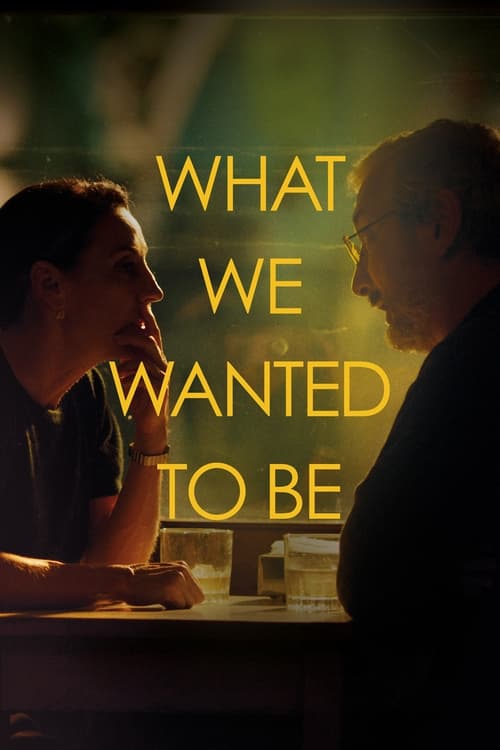
What We Wanted to Be - Review
"What We Wanted to Be": A Cinematic Dreamscape Tangled in Reality
Have you ever walked out of a movie theater, the celluloid dreams still swirling in your head, and wondered what it would be like to live a life as vividly imagined as the one you just witnessed? "What We Wanted to Be," the latest offering from director Anya Sharma, explores precisely that yearning. More than just a simple romance, this film is a bittersweet meditation on the power of imagination, the constraints of reality, and the courage it takes to pursue a life less ordinary. While it occasionally stumbles in its execution, the film's heart shines through, making it a worthwhile, if somewhat melancholic, cinematic experience.
Plot: A Dance Between Fantasy and Reality
The film opens with a meet-cute that feels ripped straight from a classic Hollywood romance. Elara (played with captivating vulnerability by Maya Sharma, no relation to the director), a struggling writer, bumps into Liam (a charmingly awkward Daniel Chen) outside a screening of a classic film noir. Their shared love of cinema sparks an immediate connection, and their initial conversation, filled with witty banter and passionate film analysis, sets the stage for what appears to be a straightforward romantic comedy. However, "What We Wanted to Be" quickly subverts expectations.
Instead of following a predictable trajectory, Elara and Liam decide to actively construct their relationship around the tropes and conventions of their favorite movies. They stage elaborate dates inspired by classic romances, quote famous lines of dialogue in everyday conversations, and even create fictional backstories for themselves based on iconic characters. This playful experimentation with reality initially provides a sense of liberation and escapism, allowing them to transcend the mundane aspects of their lives. We see them recreating scenes from "Casablanca," "Breakfast at Tiffany's," and even obscure independent films, each scene a visual and emotional homage to the power of storytelling.
As their relationship deepens, however, the lines between fantasy and reality begin to blur. Elara, haunted by past failures and insecurities, finds it increasingly difficult to reconcile her idealized version of Liam with the complexities of his real personality. Liam, in turn, struggles to maintain the facade of the perfect romantic hero, feeling stifled by the constant need to perform. The film skillfully portrays the gradual erosion of their shared fantasy world, as the weight of their individual anxieties and unmet expectations begins to take its toll.
The latter half of the film explores the consequences of their initial decision. Elara's writing career stagnates as she becomes more focused on crafting their romantic narrative than on pursuing her own creative goals. Liam, burdened by financial pressures and family obligations, feels increasingly disconnected from Elara's whimsical world. The once vibrant and playful relationship transforms into a strained and emotionally taxing performance, leaving both characters feeling isolated and unfulfilled.
The film's ending is deliberately ambiguous, refusing to offer a neat and tidy resolution. Elara and Liam are forced to confront the reality of their situation, acknowledging the limitations of their shared fantasy. While the possibility of reconciliation remains, the film ultimately suggests that true love requires embracing vulnerability and authenticity, rather than hiding behind carefully constructed facades.
Characters: Flawed Dreamers in a Concrete World
The strength of "What We Wanted to Be" lies in its richly drawn and relatable characters. Elara is a complex and multifaceted protagonist, struggling to balance her artistic aspirations with her desire for love and security. Maya Sharma delivers a nuanced performance, capturing Elara's vulnerability, her wit, and her underlying sense of insecurity. We see her grappling with self-doubt, wrestling with creative blocks, and ultimately questioning the validity of her romantic ideals.
Liam, on the other hand, is portrayed as a more grounded and pragmatic character. While he initially embraces Elara's flights of fancy, he gradually becomes disillusioned by the performative nature of their relationship. Daniel Chen brings a quiet intensity to the role, conveying Liam's internal struggles with subtlety and grace. He effectively portrays the character's growing frustration with Elara's detachment from reality, while also highlighting his genuine affection for her.
The supporting characters, though less developed, add depth and texture to the film's narrative. Elara's best friend, Chloe (played by a scene-stealing Isabella Rossi), provides a voice of reason and offers a much-needed dose of reality. Liam's family, particularly his mother (portrayed with warmth and authenticity by Maria Rodriguez), serves as a reminder of the responsibilities and obligations that often conflict with our romantic ideals.
One minor criticism is that the supporting characters could have been given more screen time and depth. While they serve their purpose in advancing the plot and highlighting the central themes, they often feel like archetypes rather than fully realized individuals.
Direction: A Visual Love Letter to Cinema
Anya Sharma's direction is both stylish and insightful, seamlessly blending elements of romantic comedy, drama, and fantasy. She effectively uses visual cues and cinematic references to enhance the film's narrative and underscore its themes. The film is peppered with subtle nods to classic films, from the framing of certain shots to the use of specific color palettes. These references are not merely superficial; they serve to deepen our understanding of the characters' motivations and the underlying themes of the film.
Sharma also demonstrates a keen eye for detail, capturing the nuances of everyday life with authenticity and precision. The film's setting, a vibrant and bustling city, serves as a backdrop for the characters' romantic escapades, highlighting the contrast between their idealized world and the gritty reality that surrounds them. The use of natural light and intimate camera angles creates a sense of intimacy and immediacy, drawing the viewer into the characters' emotional journey.
However, at times, the film's stylistic flourishes feel somewhat self-conscious, drawing attention to the director's technique rather than serving the narrative. A few scenes feel overly stylized and contrived, disrupting the film's overall flow and emotional impact.
Cinematography: Painting with Light and Shadow
The cinematography, helmed by veteran cinematographer David Miller, is one of the film's strongest assets. Miller masterfully uses light and shadow to create a visually stunning and emotionally resonant experience. The film's color palette is rich and vibrant, evoking the nostalgic feel of classic Hollywood films. The use of soft lighting and shallow depth of field creates a dreamlike atmosphere, blurring the lines between reality and fantasy.
Miller's camera work is equally impressive, employing a variety of techniques to enhance the film's narrative. Close-up shots are used to capture the characters' emotions with intimacy and precision, while wide shots are used to establish the film's setting and create a sense of scale. The use of long takes allows the viewer to become fully immersed in the characters' world, while the occasional use of montage sequences effectively conveys the passage of time and the changing dynamics of their relationship.
The film's visual style is not only aesthetically pleasing but also thematically relevant. The use of light and shadow mirrors the characters' internal struggles, highlighting the contrast between their idealized vision of love and the harsh realities of life. The blurring of lines between reality and fantasy is visually represented through the use of soft focus and dreamlike imagery.
Performances: A Symphony of Emotions
The performances in "What We Wanted to Be" are uniformly strong, with Maya Sharma and Daniel Chen delivering particularly compelling performances. Sharma brings a raw and vulnerable quality to her portrayal of Elara, capturing the character's internal struggles with authenticity and depth. Chen, on the other hand, delivers a more understated performance, conveying Liam's growing disillusionment with subtlety and grace.
The chemistry between Sharma and Chen is palpable, making their relationship feel both believable and emotionally resonant. They effectively convey the initial spark of attraction, the playful banter, and the eventual strain that develops as their fantasy world begins to crumble. Their performances are nuanced and emotionally honest, drawing the viewer into their characters' complex and often conflicting emotions.
The supporting cast also delivers solid performances, adding depth and texture to the film's narrative. Isabella Rossi shines as Elara's best friend, providing a much-needed dose of humor and perspective. Maria Rodriguez brings warmth and authenticity to her portrayal of Liam's mother, reminding us of the responsibilities and obligations that often conflict with our romantic ideals.
Themes and Messages: The Price of Illusion
At its core, "What We Wanted to Be" is a film about the power of imagination and the importance of embracing reality. The film explores the dangers of living in a fantasy world, highlighting the ways in which it can lead to disillusionment, isolation, and ultimately, heartbreak.
The film also examines the complexities of love and relationships, challenging the notion that romance is always a perfect and effortless experience. It suggests that true love requires vulnerability, honesty, and a willingness to accept each other's flaws. The characters' initial attempt to construct a perfect romance based on cinematic tropes ultimately fails, highlighting the importance of authenticity and genuine connection.
Furthermore, the film explores the theme of artistic ambition and the challenges of pursuing creative goals. Elara's struggle to balance her writing career with her romantic pursuits reflects the real-life struggles of many artists who find it difficult to reconcile their passion with the demands of everyday life. The film suggests that true artistic fulfillment requires dedication, perseverance, and a willingness to embrace failure.
Ultimately, "What We Wanted to Be" is a cautionary tale about the dangers of escapism and the importance of living in the present moment. It reminds us that while imagination can be a powerful tool for creating beauty and meaning in our lives, it should not come at the expense of our connection to reality.
Comparisons: Echoes of "500 Days of Summer" and "La La Land"
"What We Wanted to Be" shares thematic similarities with films like "500 Days of Summer" and "La La Land," both of which explore the complexities of love and relationships in a contemporary setting. Like "500 Days of Summer," this film subverts the conventions of the romantic comedy genre, offering a more realistic and nuanced portrayal of love and heartbreak. Like "La La Land," it celebrates the power of art and imagination, while also acknowledging the sacrifices and compromises that are often necessary to achieve our dreams.
However, "What We Wanted to Be" distinguishes itself from these films through its unique focus on the role of cinema in shaping our perceptions of love and reality. The film's constant references to classic films and its playful exploration of cinematic tropes set it apart from other romantic dramas.
Anya Sharma's previous work, particularly her independent film "The City of Lost Dreams," also explored similar themes of escapism and the pursuit of artistic fulfillment. "What We Wanted to Be" represents a significant step forward in Sharma's career, showcasing her growth as a director and her ability to craft compelling and emotionally resonant narratives.
Positive Aspects: A Dreamy and Thought-Provoking Experience
There are many aspects of "What We Wanted to Be" to admire. The film's strong performances, particularly from Maya Sharma and Daniel Chen, are a major highlight. The cinematography is visually stunning, creating a dreamlike atmosphere that perfectly complements the film's themes. Anya Sharma's direction is both stylish and insightful, showcasing her talent for blending elements of romantic comedy, drama, and fantasy.
The film's exploration of the themes of imagination, reality, and the complexities of love is both thought-provoking and emotionally resonant. The film's ambiguous ending leaves the viewer pondering the characters' fate and the broader implications of their choices.
The film's use of cinematic references is clever and engaging, adding depth and texture to the narrative. The film's soundtrack, featuring a mix of original compositions and classic film scores, is also a major asset, enhancing the film's emotional impact.
Constructive Criticism: A Few Stumbles in the Dreamscape
While "What We Wanted to Be" is a generally successful film, it is not without its flaws. The pacing of the film can be uneven at times, with certain scenes feeling rushed while others drag on for too long. The supporting characters could have been given more screen time and depth, as they often feel like archetypes rather than fully realized individuals.
At times, the film's stylistic flourishes feel somewhat self-conscious, drawing attention to the director's technique rather than serving the narrative. A few scenes feel overly stylized and contrived, disrupting the film's overall flow and emotional impact.
The film's ending, while deliberately ambiguous, may leave some viewers feeling unsatisfied. The lack of a clear resolution to the characters' conflict may frustrate those who are looking for a more definitive conclusion.
Conclusion and Rating
"What We Wanted to Be" is a bittersweet and thought-provoking film that explores the power of imagination, the constraints of reality, and the courage it takes to pursue a life less ordinary. While it occasionally stumbles in its execution, the film's heart shines through, making it a worthwhile cinematic experience. The strong performances, stunning cinematography, and insightful direction make this film a must-see for fans of romantic dramas and independent cinema.
Rating: 7.8/10