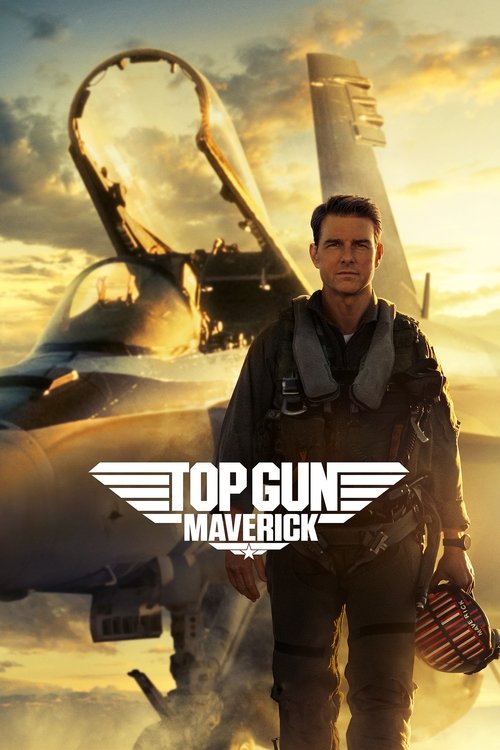
Top Gun: Maverick - Review
Top Gun: Maverick - A High-Flying Legacy Sequel That Soars
Thirty-six years. That's how long audiences waited for a direct sequel to Tony Scott's iconic Top Gun. The question hanging in the air wasn't just whether a sequel was necessary, but whether it could possibly capture the magic and adrenaline-pumping excitement of the original while simultaneously justifying its existence in a changed cinematic landscape. Thankfully, Top Gun: Maverick doesn't just meet expectations; it obliterates them, delivering a thrilling, emotionally resonant, and visually stunning cinematic experience that cements its place as a modern classic and a worthy successor to its legendary predecessor.
Plot: A Mission Impossible with Wings
The plot of Top Gun: Maverick, directed by Joseph Kosinski, initially appears deceptively simple. Pete "Maverick" Mitchell (Tom Cruise), now a test pilot pushing the boundaries of aviation, is unexpectedly summoned back to TOPGUN. Not to fly, but to teach. He's tasked with training a group of elite graduates, including the hotshot callsign "Hangman" (Glen Powell), the level-headed "Phoenix" (Monica Barbaro), and, most significantly, Bradley "Rooster" Bradshaw (Miles Teller), the son of Maverick's late wingman, Goose. Their mission? A near-impossible bombing run deep within enemy territory, requiring pinpoint accuracy and unwavering courage.
However, beneath the surface of this high-stakes aerial dogfight lies a complex web of personal demons, unresolved grief, and the struggle to adapt to a world increasingly reliant on drone warfare. Maverick is haunted by the ghost of Goose, a burden amplified by his relationship with Rooster, who understandably harbors resentment towards Maverick for his perceived role in his father's death. The training sequences are not just about honing flying skills; they're about confronting the past, building trust, and overcoming seemingly insurmountable odds.
The film masterfully balances the practical demands of the mission with the emotional journeys of the characters. The stakes are constantly raised, both in terms of the tactical challenges and the personal conflicts. The plot avoids becoming overly reliant on nostalgia, instead using elements from the original film to enrich the narrative and deepen the emotional impact. While the core mission structure might feel familiar to fans of action films, the execution is so flawlessly executed that it feels fresh and exhilarating.
Characters: Pilots with Depth
Top Gun: Maverick excels in its character development, breathing new life into familiar archetypes and introducing compelling new faces. Tom Cruise delivers a nuanced and captivating performance as Maverick, portraying him not as a flawless hero, but as a flawed and aging pilot grappling with his past and his future. He's still the rebellious rule-breaker, but he's also a mentor, a father figure (however reluctant), and a man haunted by the consequences of his actions.
Miles Teller shines as Rooster, capturing the intensity and vulnerability of a young man wrestling with his father's legacy and his own insecurities. His performance is a perfect counterpoint to Cruise's Maverick, creating a dynamic and believable relationship filled with tension, resentment, and ultimately, respect. Their scenes together are some of the most emotionally resonant in the film.
The supporting cast is equally strong. Glen Powell injects swagger and charisma into the role of Hangman, a rival pilot who embodies both the competitive spirit and the camaraderie of TOPGUN. Monica Barbaro is a standout as Phoenix, a skilled and determined pilot who proves that women belong in the skies. Jennifer Connelly provides a grounded and mature presence as Penny Benjamin, Maverick's love interest, offering a welcome dose of warmth and understanding. And Val Kilmer's brief but powerful cameo as Iceman is a poignant and emotional highlight, showcasing the enduring bond between Maverick and his former rival.
The film avoids simplistic characterizations, giving each pilot a distinct personality and motivation. Even the secondary characters feel fully realized, contributing to the overall sense of authenticity and realism. The relationships between the pilots are complex and believable, reflecting the pressures and camaraderie of military life.
Direction: A Masterclass in Aerial Action
Joseph Kosinski's direction is nothing short of masterful. He seamlessly blends practical effects with CGI, creating a visually stunning and immersive experience that puts the audience right in the cockpit. The aerial sequences are breathtaking, capturing the speed, power, and danger of fighter jets in a way that few films have ever achieved. The camera work is dynamic and innovative, using POV shots, close-ups, and wide angles to create a sense of visceral excitement.
Kosinski doesn't just rely on spectacle; he also pays close attention to the details. The film is meticulously crafted, from the realistic flight maneuvers to the authentic military jargon. He worked closely with Navy pilots and engineers to ensure that the aerial sequences were as accurate and believable as possible. This dedication to realism elevates the film beyond a simple action movie and transforms it into a truly immersive experience.
Furthermore, Kosinski understands the importance of emotional storytelling. He allows the characters to breathe, giving them moments of quiet reflection and vulnerability. He doesn't shy away from the emotional complexities of the story, allowing the audience to connect with the characters on a deeper level. This balance between action and emotion is what makes Top Gun: Maverick so compelling and memorable.
Cinematography: Visual Poetry in the Skies
The cinematography, helmed by Claudio Miranda, is simply breathtaking. The film is visually stunning from start to finish, capturing the beauty and power of the natural world with remarkable clarity and precision. The aerial shots are particularly impressive, showcasing the vastness of the sky and the intricate details of the fighter jets. Miranda's use of light and shadow creates a sense of depth and drama, enhancing the emotional impact of the scenes.
The color palette is rich and vibrant, with warm tones dominating the daytime scenes and cool tones creating a sense of tension and mystery during the nighttime sequences. The film is beautifully graded, with a consistent and pleasing aesthetic that enhances the overall viewing experience. The use of IMAX cameras further elevates the visual impact, creating a truly immersive and unforgettable cinematic experience. The framing is consistently excellent, drawing the viewer's eye to the most important elements in each scene.
The cinematography isn't just about capturing pretty pictures; it's about telling a story. Miranda uses the camera to convey the characters' emotions, to build suspense, and to create a sense of realism. The visuals are seamlessly integrated with the narrative, enhancing the overall impact of the film.
Performances: An Ensemble of Excellence
The performances in Top Gun: Maverick are uniformly excellent. Tom Cruise delivers arguably one of the best performances of his career, showcasing his range as an actor and his commitment to the character. Miles Teller is equally impressive, capturing the vulnerability and intensity of Rooster with remarkable skill. The supporting cast is equally strong, with Glen Powell, Monica Barbaro, Jennifer Connelly, and Val Kilmer all delivering memorable performances. The chemistry between the actors is palpable, creating a sense of camaraderie and authenticity that enhances the overall viewing experience. Each actor truly inhabits their role, bringing depth and nuance to their characters.
Cruise's dedication to performing his own stunts adds another layer of authenticity to the film. He underwent rigorous flight training to prepare for the role, and his commitment to realism is evident in every scene. This dedication inspires the rest of the cast, resulting in a truly collaborative and impressive ensemble performance.
Themes and Messages: Legacy, Responsibility, and the Human Touch
Top Gun: Maverick explores several important themes, including legacy, responsibility, and the importance of the human touch in an increasingly automated world. The film examines the burden of legacy, as Rooster struggles to live up to his father's reputation while forging his own path. It also explores the theme of responsibility, as Maverick grapples with the consequences of his past actions and his role in shaping the future of naval aviation.
The film also touches upon the importance of human connection in an age of technology. While drone warfare is becoming increasingly prevalent, Top Gun: Maverick argues that there is no substitute for the skill, courage, and judgment of human pilots. The film celebrates the bravery and dedication of these individuals, reminding us of the importance of human agency in a world increasingly dominated by machines.
Ultimately, Top Gun: Maverick is a film about redemption, forgiveness, and the enduring power of the human spirit. It's a story about overcoming adversity, confronting the past, and embracing the future. The film's themes resonate deeply, making it a truly meaningful and impactful cinematic experience.
Comparison to Other Films: A League of Its Own
While Top Gun: Maverick draws inspiration from the original Top Gun and other military action films, it ultimately carves its own unique identity. Unlike many legacy sequels that simply rehash old ideas, Top Gun: Maverick builds upon the foundation of the original film while introducing new characters, themes, and challenges. The film's aerial sequences are far more realistic and immersive than those in the original, thanks to advancements in technology and the dedication of the filmmakers to practical effects.
Compared to other contemporary action films, Top Gun: Maverick stands out for its emphasis on character development and emotional storytelling. While many action movies prioritize spectacle over substance, Top Gun: Maverick strikes a perfect balance between thrilling action and meaningful character interactions. The film's themes of legacy, responsibility, and human connection resonate more deeply than those in many other action films, making it a more impactful and memorable experience.
Furthermore, Kosinski's direction is far more sophisticated and nuanced than that of many other action directors. He understands the importance of creating a believable and immersive world, and he pays close attention to the details. This dedication to realism elevates the film beyond a simple action movie and transforms it into a truly immersive cinematic experience.
Positive Aspects: A Triumph on Every Level
Top Gun: Maverick is a triumph on every level. The plot is engaging and well-paced, the characters are complex and believable, the direction is masterful, the cinematography is stunning, and the performances are uniformly excellent. The film's themes are resonant and meaningful, and its aerial sequences are breathtaking. The film is a true crowd-pleaser, offering something for everyone to enjoy.
The film's dedication to practical effects is particularly impressive. The aerial sequences are not just visually stunning; they are also incredibly realistic. The filmmakers went to great lengths to ensure that the flight maneuvers were accurate and believable, and this dedication to realism elevates the film beyond a simple action movie.
The film's emotional core is also a major strength. The relationships between the characters are complex and believable, and the film's themes of legacy, responsibility, and human connection resonate deeply. The film is not just a thrilling action movie; it is also a moving and impactful story about the human spirit.
Constructive Criticism: Minor Turbulence
While Top Gun: Maverick is a near-perfect film, there are a few minor areas where it could have been improved. The romantic subplot between Maverick and Penny, while enjoyable, sometimes feels slightly underdeveloped. More exploration of their relationship dynamic could have added further emotional depth to the film.
Additionally, the film's villain remains largely undefined. While the focus is rightly on the internal struggles of the protagonists and the challenges of the mission itself, a more clearly defined antagonist could have heightened the stakes and added another layer of tension to the narrative.
However, these are minor quibbles in an otherwise exceptional film. The strengths of Top Gun: Maverick far outweigh its weaknesses, making it a truly unforgettable cinematic experience.
Conclusion: A Legacy Secured
Top Gun: Maverick is not just a sequel; it's a cinematic event. It's a thrilling, emotionally resonant, and visually stunning film that honors the legacy of the original while forging its own path. Tom Cruise delivers a career-defining performance, and the supporting cast is equally strong. Joseph Kosinski's direction is masterful, and the cinematography is breathtaking. The film's themes are resonant and meaningful, making it a truly unforgettable experience.
Top Gun: Maverick is a must-see for fans of the original film, action movies, and anyone who appreciates great cinema. It's a film that will stay with you long after the credits roll, reminding you of the power of courage, sacrifice, and the enduring human spirit.